

What is a Positive Pressure Dense Phase Powder Pneumatic Conveying System? What Are Its Design Princ
Positive pressure dense phase powder pneumatic conveying systems represent a sophisticated method for transporting bulk powders over long distances or through complex layouts. Unlike traditional dilute phase systems that rely on high velocities and low particle concentrations, dense phase conveying operates at lower velocities with higher particle concentrations, resulting in reduced equipment wear, minimized product degradation, and enhanced overall efficiency. This technology is particularly valuable for handling sensitive materials, abrasive powders, or those requiring precise control over flow rates and particle distribution.
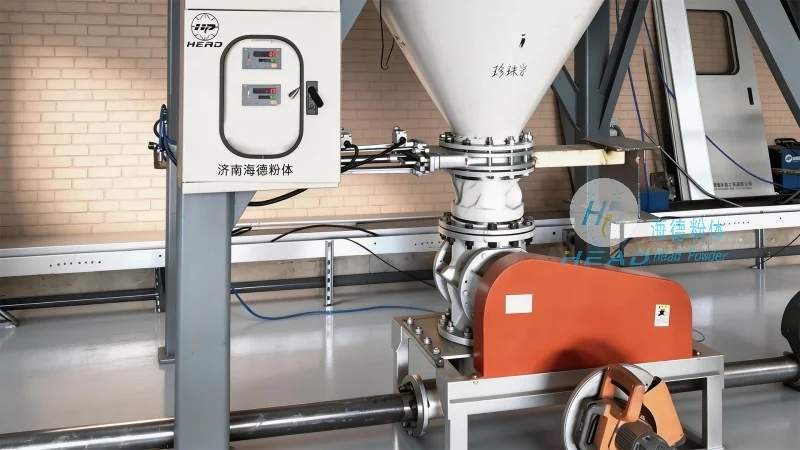
Key Design Principles of Positive Pressure Dense Phase Powder Conveying Systems
The design of a positive pressure dense phase system is centered on maintaining a consistent, high-concentration flow of powder within the conveying line. Several critical principles guide the engineering process: first, the system must generate sufficient pressure to overcome friction losses and elevation changes while ensuring the powder remains in a slurry-like state rather than separating into a gas-particle mixture. Second, the velocity of the conveying medium (typically air or a gas mixture) is carefully controlled to keep particle velocities below the threshold that causes erosion or degradation of the pipeline. Third, the system incorporates pressure relief and control mechanisms to prevent over-pressurization and to maintain stable flow conditions. Additionally, the design considers the physical properties of the powder—such as particle size, density, and moisture content—to tailor the conveying velocity and pressure settings for optimal performance. By adhering to these principles, engineers can develop systems that reliably transport powders with minimal loss, low energy consumption, and minimal impact on product quality.
How Positive Pressure Dense Phase Systems Work: A Step-by-Step Overview
At its core, a positive pressure dense phase system functions by injecting air or a gas into a pipeline containing the powder, creating a high-pressure environment that forces the material to move forward. The process begins with the powder being fed into the conveying line, often through a hopper or feeder that ensures a consistent flow rate. The conveying medium is then introduced at a controlled pressure, typically ranging from 5 to 20 bar, depending on the system's capacity and the material's characteristics. As the powder and gas mixture travels through the pipeline, the high pressure maintains the powder in a dense, cohesive state, preventing it from settling or separating. The system may include bends, expansions, or other components that require careful design to minimize pressure drops and maintain flow stability. At the discharge end, the system typically features a pressure regulator or venturi to reduce pressure and allow the powder to be deposited into the receiving container. Throughout the process, sensors and controls monitor pressure, flow rate, and other parameters to ensure the system operates within safe and efficient limits.
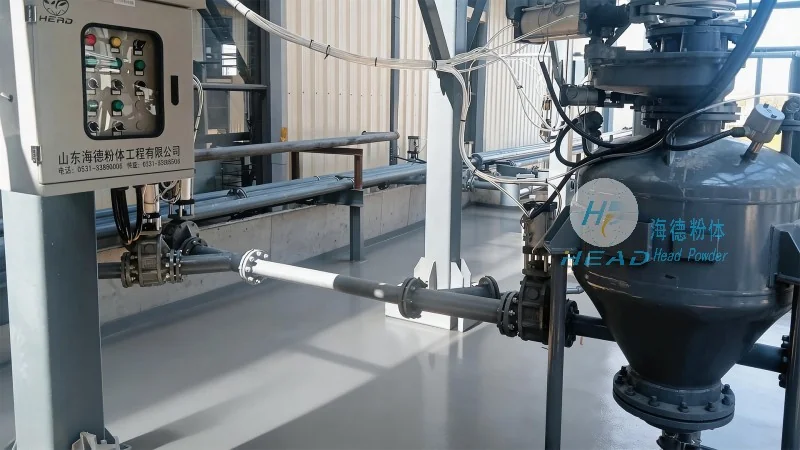
Applications and Benefits of Positive Pressure Dense Phase Conveying
Positive pressure dense phase powder pneumatic conveying systems are widely used across various industries, including pharmaceuticals, food processing, chemical manufacturing, and mining. Their benefits are particularly evident in applications where product integrity is paramount. For example, in the pharmaceutical industry, these systems can transport sensitive powders without exposing them to contaminants or excessive shear forces, ensuring compliance with stringent quality standards. In food processing, they enable the safe and hygienic transfer of ingredients like flour, sugar, or spices, maintaining product freshness and preventing cross-contamination. The systems also excel in handling abrasive materials, such as cement or coal, where traditional conveying methods would quickly wear out pipelines. Beyond product protection, these systems offer significant operational advantages: they reduce energy consumption compared to high-velocity dilute phase systems, lower maintenance costs due to less equipment wear, and provide greater control over flow rates, allowing for precise dosing in production processes. Additionally, the compact design of dense phase systems makes them suitable for installations with limited space, making them a practical solution for modern industrial facilities.
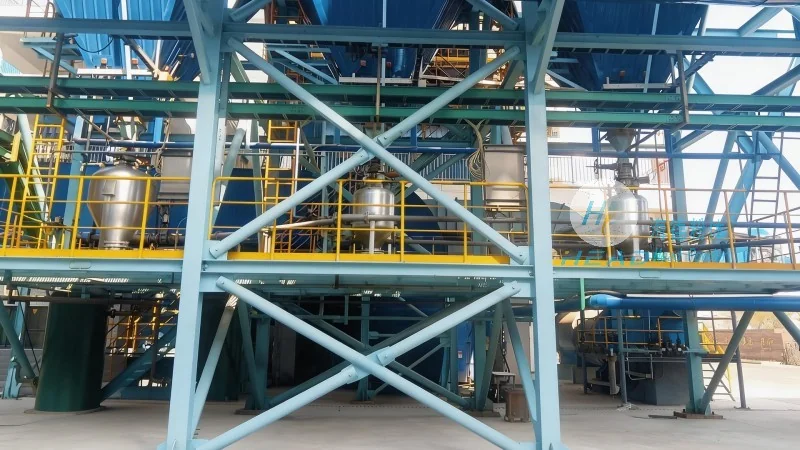
Engineering Considerations for Positive Pressure Dense Phase Systems
Designing an effective positive pressure dense phase system requires careful consideration of several technical factors to ensure optimal performance and longevity. One of the most critical aspects is the selection of appropriate materials for the conveying pipeline and components. Since the system operates at high pressures and transports abrasive powders, materials such as stainless steel, carbon steel, or specialized alloys are commonly used to withstand wear and corrosion. The pipeline diameter is another key design parameter, as it directly impacts the pressure drop and flow rate. Engineers must calculate the required diameter based on the material's bulk density, conveying velocity, and system pressure to maintain a stable, dense flow. Additionally, the system's control system plays a vital role in maintaining consistent performance. Modern systems often incorporate advanced sensors, such as pressure transducers and flow meters, connected to a programmable logic controller (PLC) that adjusts the conveying medium's pressure and flow rate in real-time. This closed-loop control helps prevent fluctuations in flow rate, which could lead to uneven product distribution or system inefficiencies. Finally, the system's integration with other equipment, such as feeders, hoppers, and discharge devices, must be carefully planned to ensure seamless operation. Proper alignment and synchronization of these components are essential to avoid blockages or pressure surges that could damage the system or compromise product quality.
HeadPowder Engineering: Expertise in Positive Pressure Dense Phase Conveying
Shandong HeadPowder Engineering Co., Ltd. has established itself as a leading provider of engineering solutions for positive pressure dense phase powder pneumatic conveying systems. With a strong focus on innovation and customer-centric design, the company has developed a reputation for delivering high-quality, reliable systems tailored to the unique needs of various industries. HeadPowder's team of experienced engineers and technicians brings extensive knowledge of powder handling technology, ensuring that each project is approached with a deep understanding of the material's properties and the system's operational requirements. The company's design process follows a systematic approach, starting with a thorough analysis of the customer's application, followed by the development of a customized system design, and concluding with rigorous testing and validation to ensure performance meets or exceeds expectations. HeadPowder's commitment to quality is evident in its adherence to international standards and its use of advanced manufacturing techniques. The company's facilities in Shandong, China, are equipped with state-of-the-art equipment and quality control measures, enabling the production of robust and durable conveying systems that stand the test of time. By partnering with HeadPowder, clients gain access to a comprehensive range of services, from system design and installation to maintenance and support, ensuring long-term reliability and operational efficiency.