

What is Chlorinated Polyethylene Powder Pneumatic Conveying Equipment? And What Are Its Design Princ
Chlorinated polyethylene (CPE) is a widely used polymer material known for its excellent weather resistance, low temperature flexibility, and good processing performance. In industrial applications, the efficient and safe transportation of CPE powder is crucial for production processes. Pneumatic conveying equipment has become a key solution for handling CPE powder due to its ability to transport materials without direct contact, reducing contamination and improving process efficiency.
Introduction to Chlorinated Polyethylene Powder Pneumatic Conveying Equipment
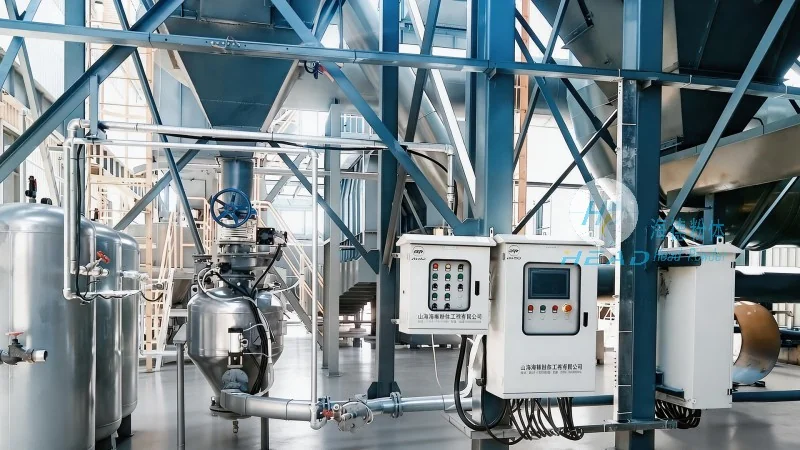
Chlorinated polyethylene powder pneumatic conveying equipment is a specialized system designed to transport CPE powder from one location to another using air as the conveying medium. This equipment is essential in industries such as plastic manufacturing, chemical processing, and material handling, where CPE powder is a critical raw material or intermediate product. The system typically consists of components like a hopper, feeder, air compressor, pipeline, and receiver, all working in tandem to ensure reliable and continuous material transport.
Key Components and Their Functions
The design of CPE powder pneumatic conveying equipment involves several key components, each playing a vital role in the overall operation. The hopper serves as the storage container for the CPE powder, providing a stable feed source. The feeder, often a rotary valve or screw feeder, regulates the flow of powder into the conveying line, ensuring consistent material delivery. The air compressor generates the necessary air pressure to move the powder through the pipeline. The pipeline system, made of materials resistant to CPE powder and air, transports the material from the feeder to the receiver. Finally, the receiver collects the CPE powder and may include a discharge mechanism for further processing.
Design Principles of Pneumatic Conveying Systems
The design principles of CPE powder pneumatic conveying equipment are centered on achieving efficient material transport while minimizing operational issues such as blockages, corrosion, and material degradation. One of the primary design considerations is the selection of appropriate air velocity and pressure. The air velocity must be high enough to overcome the resistance of the powder in the pipeline but not so high as to cause excessive wear on the equipment or degrade the CPE powder. The pressure level is determined based on the distance and height the powder needs to be conveyed, as well as the characteristics of the CPE powder, including its particle size, density, and flowability.

Another critical design principle is the selection of materials for the equipment components. Since CPE powder can be abrasive and may contain chemicals that could affect the equipment, materials like stainless steel, polyethylene, or specialized coatings are often used for the hopper, feeder, and pipeline to ensure durability and resistance to corrosion. The system also incorporates features like pulse jets or vibration to prevent blockages and maintain smooth operation, especially when handling powders with poor flow characteristics.
Advantages of Using CPE Powder Pneumatic Conveying Equipment
Implementing CPE powder pneumatic conveying equipment offers several advantages over traditional methods like bucket elevators or belt conveyors. First, it eliminates the need for mechanical contact with the powder, reducing the risk of contamination and product degradation. This is particularly important for CPE powder, which is often used in food or medical applications where purity is essential. Second, the system is more energy-efficient compared to other conveying methods, as it uses air pressure rather than mechanical power to move the material. Third, it provides a compact and flexible design, allowing for easy integration into existing production lines and adaptation to changing production needs.
Applications in Industrial Settings
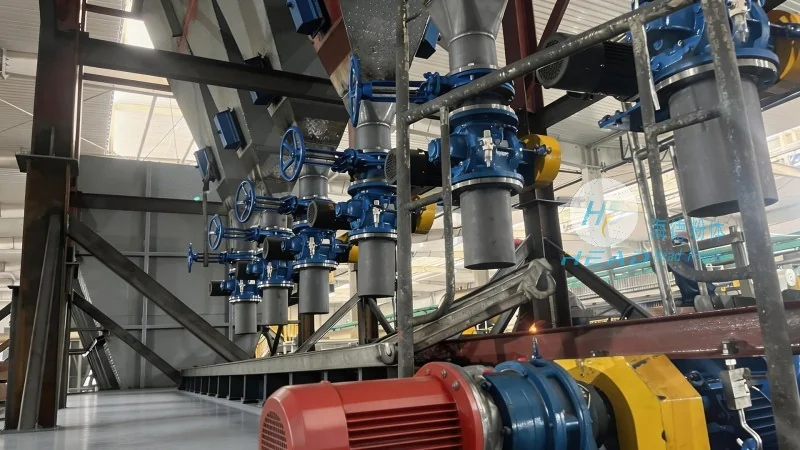
CPE powder pneumatic conveying equipment is widely used in various industrial applications where CPE powder is a key component. In the plastic manufacturing industry, it is used to transport CPE powder from storage to extrusion or compounding machines. In chemical processing, it helps move CPE powder between processing stages, ensuring a continuous flow of material. Additionally, in material handling facilities, the equipment is used to transfer CPE powder from bulk storage to packaging or further processing units. The versatility of the system makes it suitable for a wide range of applications, from small-scale production to large industrial operations.
Maintenance and Operational Considerations
Proper maintenance and operational practices are essential to ensure the longevity and efficiency of CPE powder pneumatic conveying equipment. Regular cleaning of the hopper, feeder, and pipeline is necessary to prevent the accumulation of powder and blockages. The air compressor and filters should be checked and maintained regularly to ensure consistent air pressure and quality. Additionally, monitoring the system's performance, such as air pressure and flow rates, helps identify potential issues early and prevent downtime. Proper training of operators on the equipment's operation and maintenance is also crucial for optimal performance and safety.
About Shandong HeadPowder Engineering Co., Ltd.
Shandong HeadPowder Engineering Co., Ltd., commonly known as HeadPowder, is a leading manufacturer and supplier of pneumatic conveying equipment and related solutions. With a focus on innovation and quality, HeadPowder specializes in designing and manufacturing CPE powder pneumatic conveying systems tailored to the specific needs of industrial clients. The company's headquarters is located in Shandong, China, where it leverages advanced technology and expertise to deliver reliable and efficient equipment that meets the highest industry standards. HeadPowder's commitment to customer satisfaction and product excellence has made it a trusted partner for businesses in the plastic, chemical, and material handling industries.