

Sodium Chloride Powder Pneumatic Conveying Equipment: What It Is and Its Design Principles
HeadPowder, a leading engineering company based in Shandong, China, specializes in the design and manufacturing of advanced pneumatic conveying systems for various industrial applications. This article explores the concept of sodium chloride powder pneumatic conveying equipment, detailing its operational principles and design considerations to help industry professionals understand its functionality and benefits.
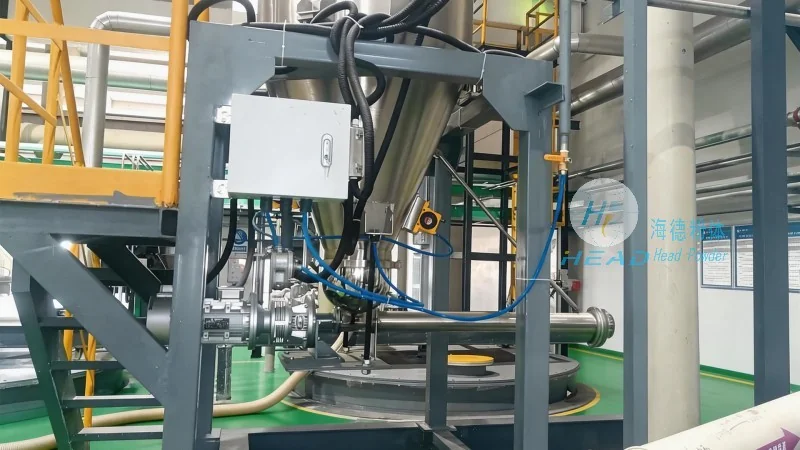
Understanding Sodium Chloride Powder Pneumatic Conveying Equipment
Sodium chloride powder pneumatic conveying equipment is a specialized system used to transport dry sodium chloride powder through a pipeline using compressed air or other gas. This technology is widely adopted in the chemical, food, and pharmaceutical industries due to its efficiency in handling fine powders and its ability to maintain product purity during transportation. The equipment typically consists of a hopper, a conveyor line, and a control system, all working in tandem to ensure reliable and continuous material transfer.
Key Design Principles of the Equipment
The design of sodium chloride powder pneumatic conveying equipment is guided by several critical principles to ensure optimal performance and safety. First, the system must be designed to handle the specific properties of sodium chloride powder, such as its particle size, moisture content, and flowability. Engineers at HeadPowder consider these factors to select appropriate materials for the hopper and pipeline, often using stainless steel or other corrosion-resistant materials to prevent contamination and ensure durability. Second, the system must maintain a consistent air pressure and flow rate to achieve uniform conveying. This involves precise control of the air compressor and the use of pressure sensors to monitor and adjust the system in real-time. Third, the design incorporates safety features to prevent dust explosions and material blockages. For instance, explosion-proof components and automatic shut-off mechanisms are integrated into the system to protect operators and equipment from potential hazards.
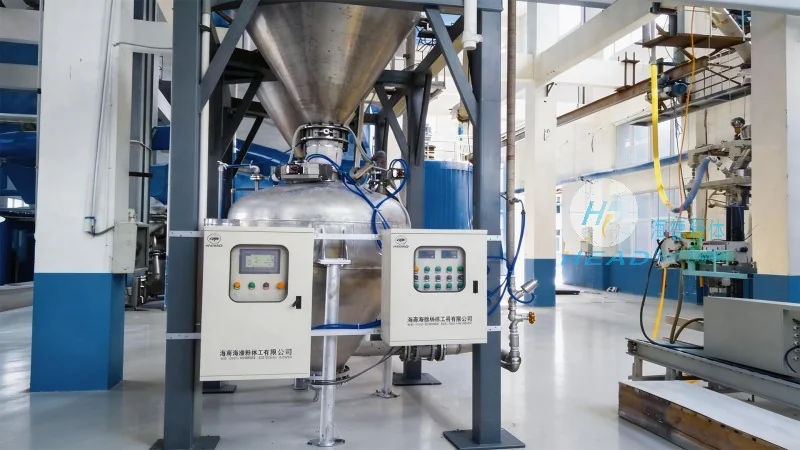
Components and Operational Mechanism
The core components of a sodium chloride powder pneumatic conveying system include the material hopper, the air supply unit, the conveying line, and the receiving hopper. The process begins with the sodium chloride powder being loaded into the hopper, where it is fed into the conveying line under the pressure of compressed air. The air, typically at a pressure of 4-8 bar, creates a flow that propels the powder through the pipeline. The conveying line is usually made of flexible or rigid tubing, depending on the application, and is equipped with bends and valves to direct the material to the desired destination. The receiving hopper collects the powder at the end of the line, where it can be further processed or stored. The control system monitors parameters such as pressure, flow rate, and temperature to ensure the system operates within safe and efficient limits.
Advantages of Using Pneumatic Conveying for Sodium Chloride
Compared to traditional mechanical conveying methods, sodium chloride powder pneumatic conveying offers several advantages. One of the most significant benefits is the ability to transport materials over long distances without the need for intermediate storage or transfer points. This reduces the risk of material degradation and contamination, which is crucial for sodium chloride used in food and pharmaceutical applications. Additionally, pneumatic conveying systems are more energy-efficient than belt or screw conveyors, as they use compressed air to move the material rather than mechanical components. This results in lower operational costs and reduced maintenance requirements. Another advantage is the ability to handle materials with varying particle sizes and moisture content, making the system versatile for different industrial needs. The system also provides better control over the material flow, allowing for precise dosing and batching, which is essential in manufacturing processes.
Applications in Different Industries
Sodium chloride powder pneumatic conveying equipment is widely used in various industries due to its adaptability and efficiency. In the chemical industry, it is used to transport raw materials for the production of sodium chloride-based products, such as salt solutions and chemical intermediates. The pharmaceutical industry utilizes this equipment to handle sodium chloride powders used in drug formulations, ensuring that the material is transferred without contamination or loss of potency. In the food industry, the system is employed to transport salt used in food processing, maintaining the quality and safety of the final products. The equipment is also used in the mining and construction sectors for the handling of salt used in de-icing and road maintenance applications. HeadPowder's expertise in designing customized pneumatic conveying systems ensures that clients can meet their specific operational requirements, whether it's for small-scale laboratory use or large-scale industrial production.
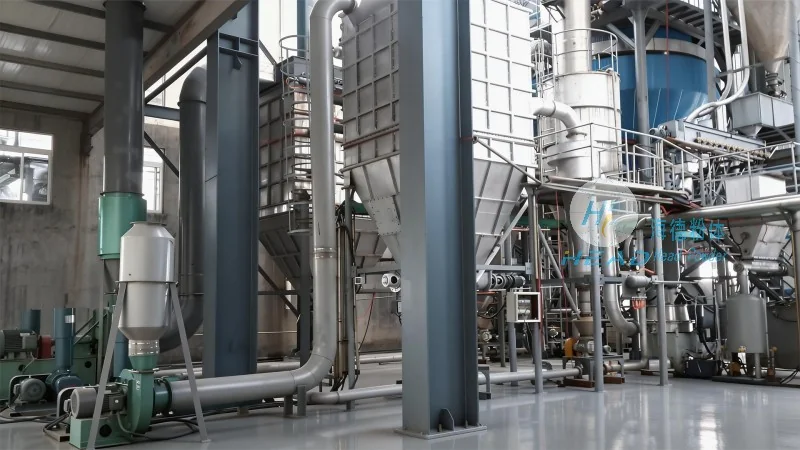
Customization and Maintenance Considerations
HeadPowder understands that each industrial application has unique requirements, and therefore, offers customized solutions for sodium chloride powder pneumatic conveying equipment. The company works closely with clients to assess their material properties, conveying distance, and operational conditions to design a system that meets their specific needs. Customization may include adjustments to the hopper size, pipeline diameter, air pressure, and control system features. Additionally, the company provides comprehensive maintenance services to ensure the long-term reliability and performance of the equipment. Regular maintenance, such as cleaning the hopper and pipeline, checking for wear and tear, and calibrating the control system, is essential to prevent system failures and extend the equipment's lifespan. HeadPowder's experienced technicians are trained to perform these tasks efficiently, minimizing downtime and ensuring the system operates at peak performance.
Conclusion
Sodium chloride powder pneumatic conveying equipment is a vital component in modern industrial operations, offering efficient, safe, and cost-effective solutions for material handling. The design principles and components of this equipment are carefully engineered to handle the specific properties of sodium chloride powder while maintaining product purity and operational safety. HeadPowder, with its expertise in engineering and manufacturing, provides high-quality pneumatic conveying systems that meet the diverse needs of various industries. By understanding the design and operational aspects of this equipment, industry professionals can make informed decisions to enhance their material handling processes and improve overall productivity.