

What is a Dust Collector Powder Pneumatic Conveying Equipment? And What Are Its Design Principles?
For industrial facilities dealing with dust and powder materials, efficient and reliable material handling solutions are crucial. Among the various technologies available, pneumatic conveying systems, particularly those designed for dust collector powders, play a vital role in maintaining operational efficiency and environmental compliance. This article explores the concept of dust collector powder pneumatic conveying equipment, its fundamental design principles, and the key factors that contribute to its effective operation, with a focus on the expertise of Shandong HeadPowder Engineering Co., Ltd., a leading provider of such systems based in China.
Introduction to Dust Collector Powder Pneumatic Conveying Equipment
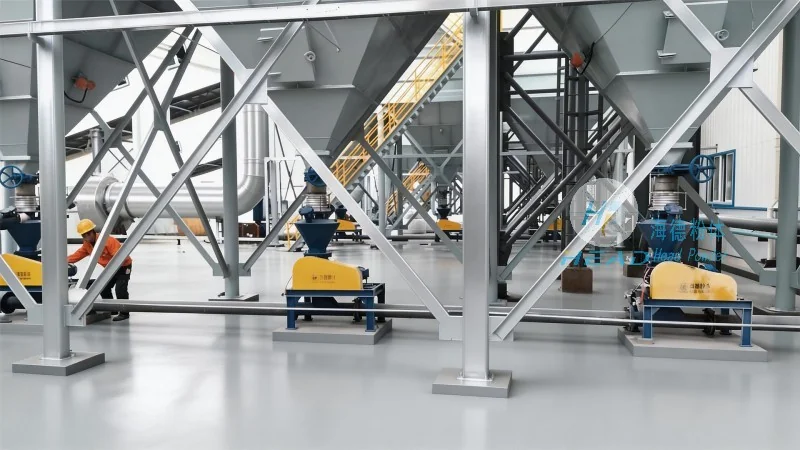
Dust collector powder pneumatic conveying equipment is a specialized system used to transport fine powders and dust particles from dust collection systems to storage or processing locations. These systems are integral to industries such as cement, pharmaceuticals, food processing, and chemical manufacturing, where the handling of powders is a common requirement. The primary goal of such equipment is to ensure that powders are transported safely, efficiently, and without causing contamination or environmental issues. Shandong HeadPowder Engineering Co., Ltd., based in Shandong, China, specializes in designing and manufacturing these systems to meet the diverse needs of industrial clients.
Key Components of the Pneumatic Conveying System
The pneumatic conveying system for dust collector powders typically consists of several key components that work in tandem to achieve the desired material transport. These components include the dust collector, the conveying line (usually made of metal or flexible tubing), a blower or air compressor to generate the necessary air pressure, and a receiver or storage hopper at the destination. Each component is carefully designed to handle the specific characteristics of the powder being transported, such as particle size, moisture content, and flowability. The dust collector, often a baghouse or electrostatic precipitator, captures the powders, while the conveying line ensures they are moved to the desired location without loss or contamination.
Design Principles for Efficient Pneumatic Conveying
The design of a dust collector powder pneumatic conveying system is based on several fundamental principles to ensure optimal performance. One of the most critical principles is the selection of the appropriate air velocity and pressure. The air velocity must be high enough to lift and transport the powder particles but low enough to prevent excessive wear on the system components and to minimize energy consumption. The pressure drop across the conveying line is another key factor, as it directly impacts the system's efficiency and the amount of energy required to move the material. Shandong HeadPowder Engineering Co., Ltd. employs advanced engineering techniques to calculate these parameters accurately, ensuring the system operates within optimal efficiency ranges.
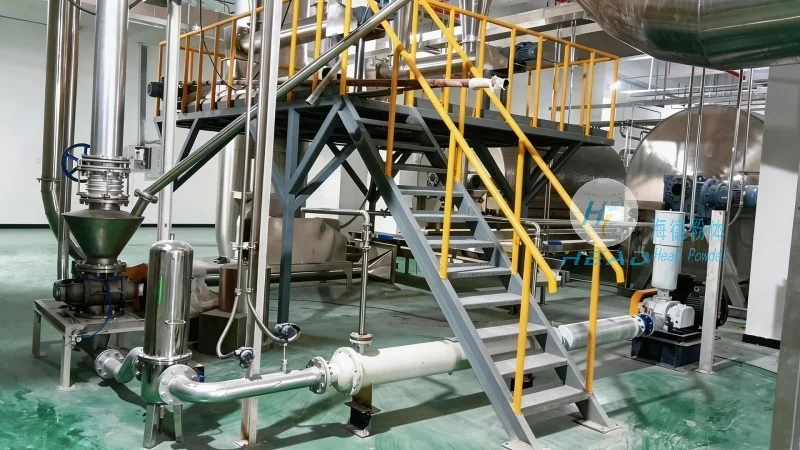
Another important design principle is the consideration of the powder's physical properties. Factors such as particle size distribution, density, and moisture content influence the choice of conveying method—whether it's a positive pressure system (where air is blown into the line) or a negative pressure system (where air is drawn out). The system must also account for the potential for particle segregation or agglomeration, which can affect the flow characteristics and overall performance. The company's engineers conduct thorough material analysis to tailor the system design to the specific powder being handled, ensuring reliable operation.
The Role of the Blower and Air Compressor
The blower or air compressor is the heart of the pneumatic conveying system, responsible for generating the air flow that propels the powder particles through the conveying line. The choice of blower type—such as a centrifugal blower, a rotary lobe blower, or a roots blower—depends on the specific application requirements, including the required pressure, flow rate, and the nature of the powder being handled. For dust collector powders, which often have high moisture content or are prone to caking, a blower that can handle abrasive and wet materials is essential to ensure long-term system reliability. Shandong HeadPowder Engineering Co., Ltd. selects high-quality, durable blowers that are specifically designed for handling fine powders, minimizing maintenance and downtime.
Material Handling and Environmental Considerations
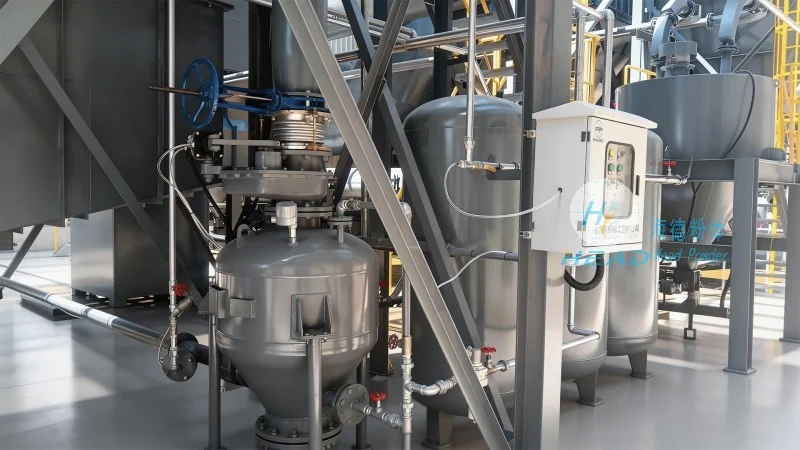
Efficient material handling with dust collector powders also involves considerations related to environmental compliance and operational safety. The system must be designed to minimize dust emissions during the conveying process, often incorporating features such as dust filters or cyclones to capture any particles that may escape. Additionally, the equipment must be constructed from materials that are resistant to corrosion and wear, ensuring durability and low maintenance costs over the long term. The company emphasizes environmental responsibility in its designs, ensuring that the systems comply with local and international regulations regarding air quality and waste management.
Applications and Industries
Dust collector powder pneumatic conveying equipment is widely used across various industries where fine powders are generated as byproducts of industrial processes. In the cement industry, for example, these systems are used to transport raw materials and finished products from storage silos to processing units. In the pharmaceutical industry, they are employed to handle active pharmaceutical ingredients (APIs) and other powders with strict purity requirements. The food processing industry also utilizes these systems for transporting ingredients like flour, sugar, and spices, where maintaining product quality and preventing contamination is paramount. Shandong HeadPowder Engineering Co., Ltd. has successfully implemented these systems in numerous projects across different sectors, demonstrating its capability to deliver tailored solutions for diverse industrial needs.
Conclusion
In conclusion, dust collector powder pneumatic conveying equipment is a sophisticated and essential component of modern industrial material handling systems. Its design is based on a combination of engineering principles, material science, and operational requirements to ensure efficient, safe, and environmentally responsible transport of fine powders. By understanding the key components, design principles, and applications of such systems, industrial facilities can make informed decisions to enhance their operational efficiency and meet regulatory standards. As technology advances, these systems continue to evolve, offering improved performance and reliability for the handling of dust and powder materials. Shandong HeadPowder Engineering Co., Ltd. remains at the forefront of this technology, providing innovative solutions that meet the evolving demands of industrial clients in China and beyond.