

[Silage Material Conveying Equipment: What They Are and Their Design Principles]
When it comes to managing agricultural operations, especially those involving forage storage and processing, the role of silage material conveying equipment cannot be overstated. These specialized systems are designed to efficiently transport silage—a fermented forage used as animal feed—from storage silos or processing areas to feeding stations or other points of use. Understanding what these equipment are and the underlying design principles is crucial for optimizing farm productivity and ensuring the quality of feed.
Key Components of Silage Conveying Systems
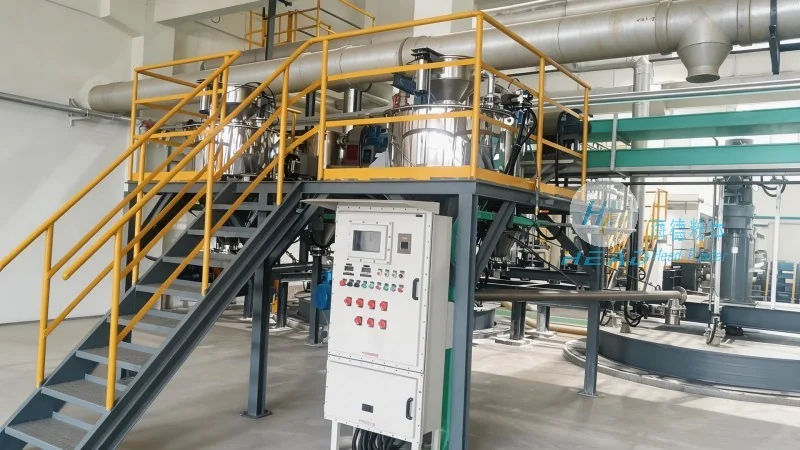
At the core of any silage conveying system are several key components that work in tandem to ensure smooth and reliable operation. The primary components typically include a conveyor mechanism (such as a screw conveyor, belt conveyor, or auger), a feeding hopper or inlet for loading silage, a drive system to power the conveyor, and a control panel for monitoring and adjusting the system. Additionally, many modern systems incorporate features like variable speed drives, which allow operators to adjust the conveyor speed based on the consistency of the silage material, and safety sensors to prevent overloading or blockages. The material of construction is also critical, as silage often contains acids and moisture that can corrode equipment; therefore, components are commonly made from stainless steel or other corrosion-resistant materials to ensure durability and longevity.
Design Principles for Efficient Silage Material Handling
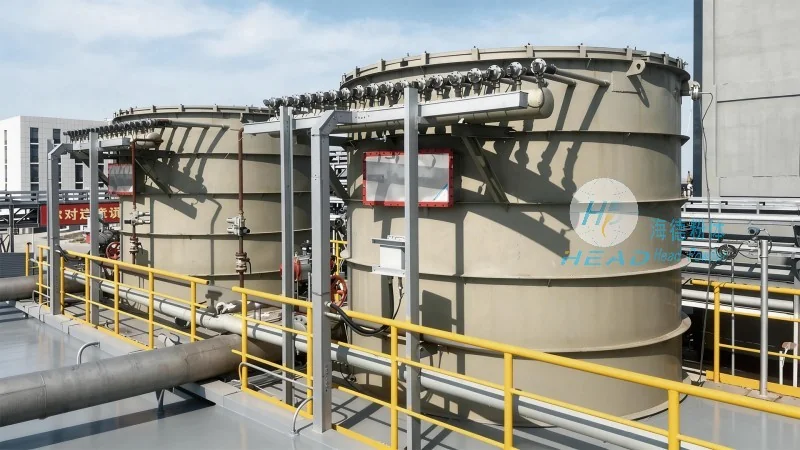
The design principles behind silage material conveying equipment are centered on efficiency, durability, and adaptability to the unique characteristics of silage. One key principle is the use of low-speed, high-torque mechanisms to handle the dense and often sticky nature of fermented forage. This approach minimizes the risk of material breakdown or blockages, which can lead to system failures or feed quality issues. Another important principle is the integration of self-cleaning features, such as auger flights or belt scrapers, to prevent silage buildup on the conveyor surfaces. This not only improves efficiency but also reduces the need for frequent manual cleaning, which can be labor-intensive and time-consuming. Furthermore, the design often prioritizes hygienic operation, with smooth surfaces and easy-to-clean components to maintain feed quality and prevent contamination. The control systems are also designed to be user-friendly, allowing operators to monitor the system's performance in real-time and make adjustments as needed to maintain optimal operation.
The Role of HeadPowder in Manufacturing Conveying Solutions
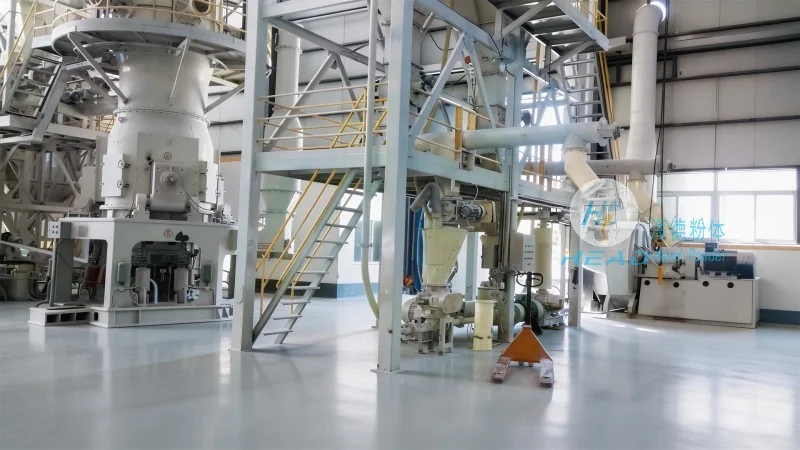
Shandong HeadPowder Engineering Co., Ltd., a leading manufacturer based in Shandong, China, specializes in the design and production of high-quality silage material conveying equipment. With years of experience in the agricultural machinery industry, HeadPowder has developed a range of solutions tailored to the specific needs of farmers and feed producers. The company's products are engineered to meet the rigorous demands of silage handling, combining robust construction with advanced features to ensure reliable performance in diverse agricultural settings. HeadPowder's commitment to quality and innovation has made them a trusted partner for businesses seeking efficient and durable conveying solutions for their silage operations.
Applications and Benefits of Silage Conveying Equipment
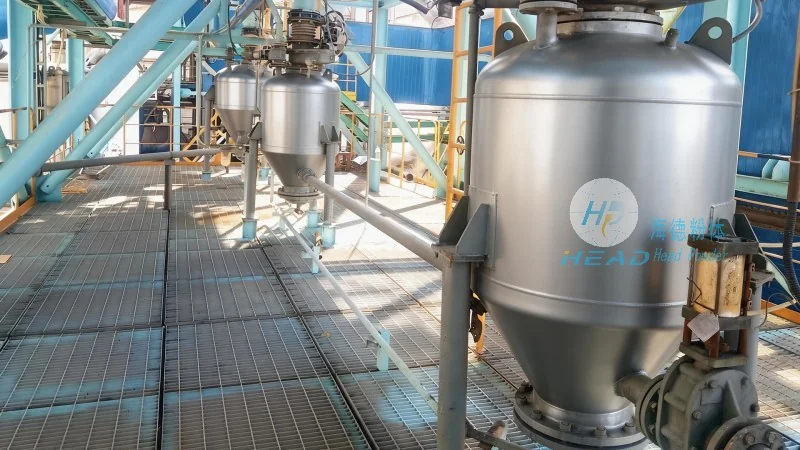
The applications of silage material conveying equipment span across various agricultural operations, from small-scale family farms to large commercial feedlots. These systems are essential for moving silage from storage silos to feeding areas, ensuring that animals receive fresh, high-quality feed consistently. The benefits of using such equipment include increased labor efficiency, as automated conveying reduces the need for manual handling of heavy silage loads. This not only saves time but also minimizes the risk of injury to farm workers. Additionally, efficient conveying systems help maintain the quality of the silage by reducing exposure to air and preventing spoilage, which can occur if the material is left to sit for extended periods. The ability to adjust conveyor speeds and control the flow of silage also allows for better management of feed inventory, ensuring that feed is used in a timely manner and reducing waste. Overall, silage material conveying equipment plays a vital role in modern agricultural operations, enhancing productivity and improving the overall management of forage resources.