

What is a Negative Pressure Dilute Phase Material Handling Equipment? And What Are Its Design Princi
Welcome to Shandong HeadPowder Engineering Co., Ltd., a leading provider of advanced material handling solutions. In this article, we will explore the concept of negative pressure dilute phase material handling equipment and delve into its fundamental design principles. As a company specializing in engineering solutions for the powder and bulk material industry, HeadPowder offers innovative equipment that ensures efficient, safe, and reliable material transport. This equipment is particularly crucial in industries such as pharmaceuticals, food processing, and chemical manufacturing, where precise control over material flow is essential.
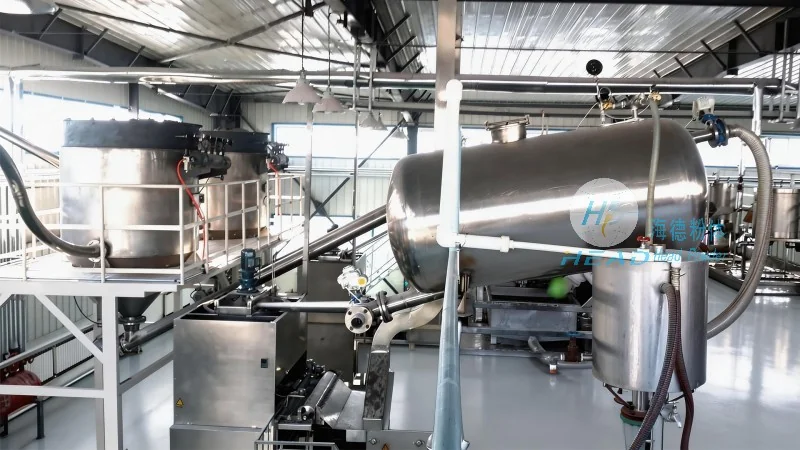
Understanding Negative Pressure Dilute Phase Material Handling Equipment
Negative pressure dilute phase material handling equipment is a specialized system designed to transport bulk materials through a pipeline using a vacuum or negative pressure environment. Unlike positive pressure systems that force material through the pipeline, this technology utilizes a reduced pressure in the conveying line to draw material from the source to the destination. The key characteristic of this equipment is the "dilute phase" operation, where the material is suspended in a gas stream, typically air, at a low concentration. This approach minimizes material degradation, reduces friction, and enables the efficient transport of fine powders and granules over long distances with minimal energy consumption.
Key Design Principles of Negative Pressure Dilute Phase Systems
The design of negative pressure dilute phase material handling equipment is based on several critical principles that ensure optimal performance and reliability. First, the system must maintain a consistent negative pressure throughout the conveying line to create a continuous suction effect. This is achieved through the use of vacuum pumps or fans that generate the necessary suction force. Second, the equipment incorporates efficient feeding mechanisms, such as rotary valves or star feeders, to ensure a steady and controlled material feed into the pipeline. These feeders prevent blockages and maintain a uniform material flow rate, which is vital for consistent performance. Third, the design emphasizes the use of high-efficiency filters and cyclones to separate the material from the air stream at the receiving end, ensuring that the material is delivered in a clean and dry state. Additionally, the system incorporates pressure relief valves and safety features to protect against overpressure and ensure operator safety.
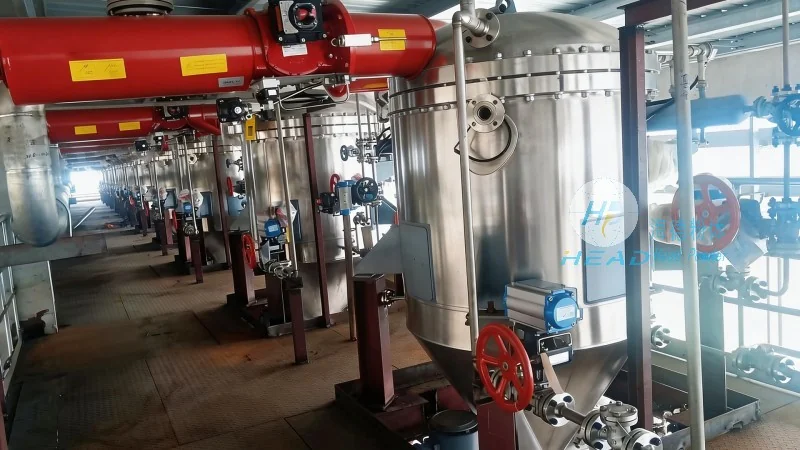
How Negative Pressure Dilute Phase Equipment Works
The operation of negative pressure dilute phase material handling equipment involves several key steps. The process begins with the material being fed into the conveying line from a hopper or storage silo. The feeding mechanism, such as a rotary valve, controls the flow rate of the material into the pipeline. Simultaneously, a vacuum pump or fan creates a negative pressure in the pipeline, drawing the material and the air stream together. The material is then suspended in the air as it travels through the pipeline, which is typically made of stainless steel or other corrosion-resistant materials to prevent material contamination. The conveying line may include bends, vertical lifts, and horizontal sections, all designed to minimize pressure drop and maintain the dilute phase condition. At the receiving end, a separator, such as a cyclone or filter, separates the material from the air stream, allowing the material to be discharged into a collection bin or silo. The air, now free of material particles, is then filtered and discharged back into the environment or recirculated if necessary.
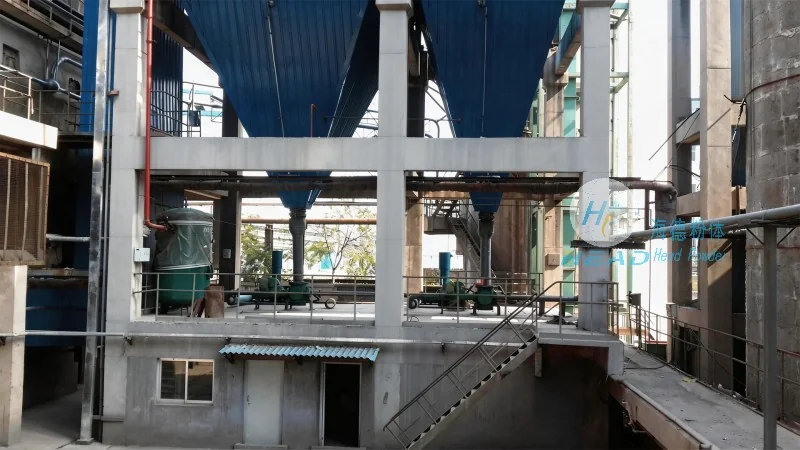
Advantages of Negative Pressure Dilute Phase Material Handling Equipment
There are several advantages to using negative pressure dilute phase material handling equipment in industrial applications. One of the primary benefits is the ability to transport fine powders and granules without causing degradation or agglomeration. The low concentration of material in the air stream reduces friction and impact, which helps maintain the material's quality and consistency. Another advantage is the energy efficiency of the system. By using a vacuum to draw material rather than forcing it through the pipeline, the equipment consumes less energy compared to positive pressure systems, leading to lower operational costs. Additionally, the system is highly flexible and can be easily integrated into existing production lines. It can transport materials over long distances, including vertical lifts and complex layouts, without the need for additional infrastructure. The equipment also offers improved safety features, as the negative pressure environment reduces the risk of dust explosions and material spillage. Finally, the design of the system allows for easy maintenance and cleaning, which is crucial for industries that handle hygienic or hazardous materials.
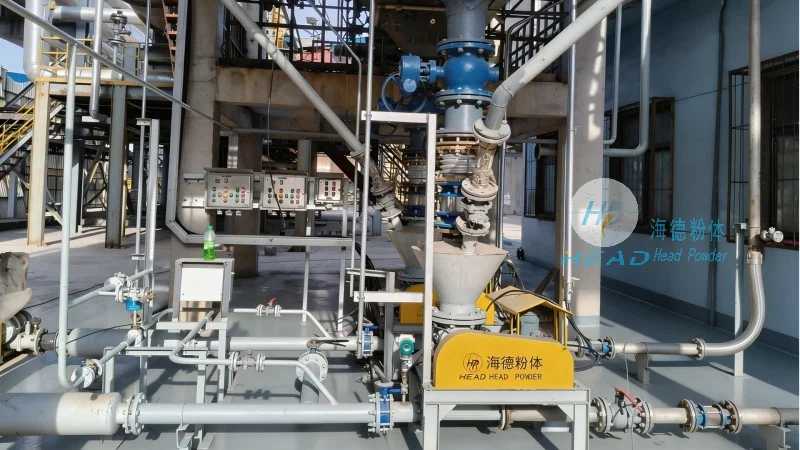
Applications of Negative Pressure Dilute Phase Material Handling Equipment
Negative pressure dilute phase material handling equipment is widely used in various industries due to its versatility and efficiency. In the pharmaceutical industry, it is used to transport active pharmaceutical ingredients (APIs) and excipients with high precision and minimal contamination. The equipment ensures that the materials are handled in a sterile environment, preventing cross-contamination and maintaining product quality. In the food processing industry, it is used to transport ingredients such as flour, sugar, and spices, where hygiene and product integrity are paramount. The system can handle a wide range of food products, from fine powders to granules, without compromising their quality. In the chemical industry, it is used to transport raw materials and intermediates, including powders and granules, in a controlled and safe manner. The equipment is also used in the mining and mineral processing industry to transport ore and other bulk materials from processing plants to storage facilities. Overall, the negative pressure dilute phase material handling equipment is a critical component in many industrial processes, enabling efficient and reliable material transport.
Conclusion
In conclusion, negative pressure dilute phase material handling equipment is a sophisticated and efficient solution for transporting bulk materials in various industrial applications. The design principles, which include maintaining negative pressure, using controlled feeding mechanisms, and incorporating efficient separation systems, ensure optimal performance and reliability. The equipment offers several advantages, including energy efficiency, material preservation, and improved safety. As a leading provider of such equipment, Shandong HeadPowder Engineering Co., Ltd. specializes in designing and manufacturing customized solutions that meet the specific needs of its clients. With a focus on innovation and quality, HeadPowder continues to provide advanced material handling solutions that enhance productivity and ensure product quality in the powder and bulk material industry.