

What is a Lithium-Ion Battery Positive Electrode Material Handling System? And What Are Its Design P
Lithium-ion batteries are a cornerstone of modern energy storage and portable electronics, and the efficiency of their manufacturing processes is critical to their performance and cost-effectiveness. A key component in the battery production line is the positive electrode material handling system, which is responsible for transporting, processing, and preparing the active materials used in the positive electrode. Understanding this system and its design principles is essential for manufacturers aiming to optimize production, enhance quality, and ensure consistent output. This article explores the fundamental aspects of lithium-ion battery positive electrode material handling systems, detailing their design, functionality, and the critical role they play in the battery manufacturing process.
Key Components of the Material Handling System
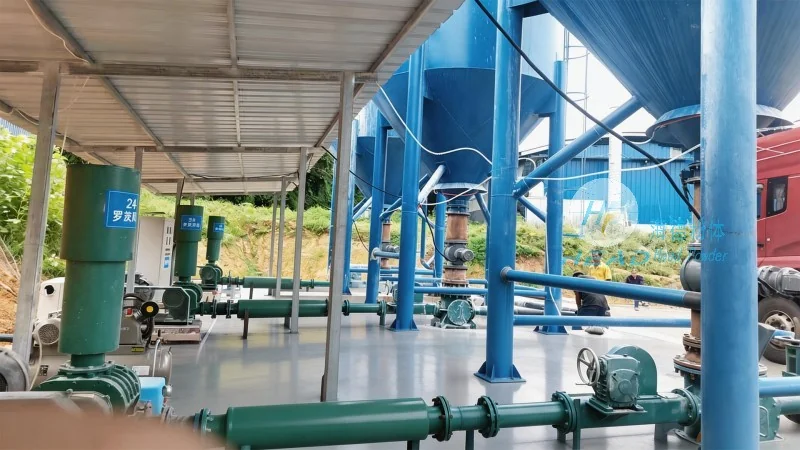
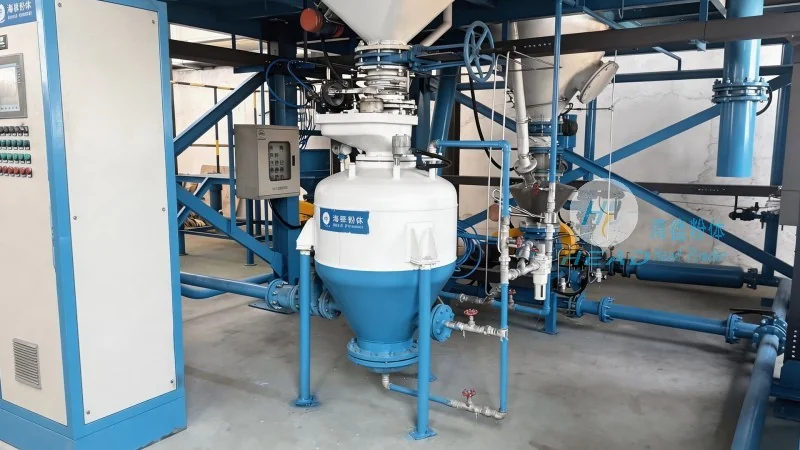
The lithium-ion battery positive electrode material handling system typically consists of several interconnected components that work together to ensure efficient material flow. These components include material feeders, conveyors, storage hoppers, mixing and blending units, and processing equipment such as granulators or agglomerators. Each component is designed to handle specific tasks, from receiving raw materials to preparing the final electrode slurry. The feeders ensure a consistent flow of material, while conveyors transport it through the system. Storage hoppers provide temporary storage, allowing for buffer capacity and preventing bottlenecks. Mixing and blending units are crucial for achieving the desired composition and homogeneity of the electrode material, which directly impacts the battery's performance. Processing equipment, such as granulators, may be used to adjust the particle size distribution, ensuring the material meets the required specifications for electrode formation.
Design Principles and Operational Efficiency
The design of a lithium-ion battery positive electrode material handling system is guided by several key principles aimed at maximizing operational efficiency and minimizing downtime. One of the primary principles is the principle of continuous flow, where materials are moved through the system without interruption, reducing the risk of material buildup or contamination. This is achieved through the use of automated conveyor systems and controlled feeding mechanisms. Another critical principle is the principle of material compatibility, ensuring that all components of the system are designed to handle the specific materials used in lithium-ion battery production, such as nickel, cobalt, manganese, or lithium compounds. This includes selecting appropriate materials for the hoppers, conveyors, and processing equipment to prevent corrosion or chemical reactions that could degrade the material quality. Additionally, the system is designed with modularity in mind, allowing for easy maintenance and upgrades as production needs change. This modularity helps manufacturers adapt to new material formulations or production requirements without significant capital investment. The system also incorporates safety features, such as material containment and emergency stop mechanisms, to protect operators and prevent accidents. These safety measures are essential in a high-speed manufacturing environment where material handling can be hazardous.
Role of HeadPowder in Lithium-Ion Battery Material Handling
Shandong HeadPowder Engineering Co., Ltd., commonly known as HeadPowder, is a leading provider of specialized equipment and systems for the lithium-ion battery industry. With a focus on innovation and quality, HeadPowder designs and manufactures material handling systems tailored to the specific needs of battery manufacturers. The company's expertise lies in understanding the complex requirements of electrode material processing and translating them into efficient, reliable systems. HeadPowder's systems are designed to meet the stringent quality standards of the battery industry, ensuring that the positive electrode material is processed with precision and consistency. The company's engineers work closely with clients to understand their production volumes, material specifications, and operational constraints, developing customized solutions that optimize performance and reduce costs. HeadPowder's commitment to customer satisfaction and technological advancement has made it a trusted partner in the lithium-ion battery manufacturing sector. By leveraging advanced engineering and manufacturing capabilities, HeadPowder provides solutions that enhance the overall efficiency of the battery production line, contributing to the growth and success of its clients.
Conclusion: The Importance of a Well-Designed Material Handling System
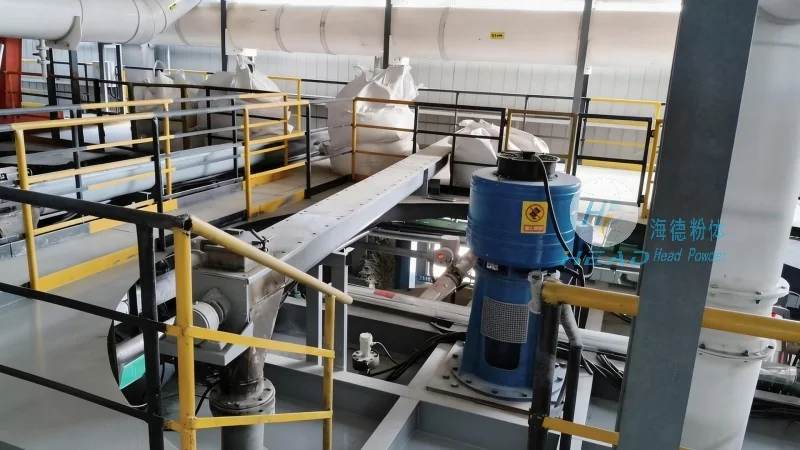
In conclusion, the lithium-ion battery positive electrode material handling system is a critical component of the battery manufacturing process, responsible for ensuring the efficient and consistent production of high-quality positive electrodes. The design principles behind these systems, including continuous flow, material compatibility, and modularity, are essential for optimizing performance and minimizing downtime. Companies like Shandong HeadPowder Engineering Co., Ltd. play a vital role in providing the specialized equipment and expertise needed to implement these systems effectively. By investing in a well-designed material handling system, battery manufacturers can enhance their production capabilities, improve product quality, and stay competitive in the rapidly evolving energy storage market. The importance of this system cannot be overstated, as it directly impacts the performance and reliability of lithium-ion batteries, which are increasingly relied upon for applications ranging from portable electronics to electric vehicles and renewable energy storage.