

What is a Phosphorus Pentoxide Material Handling System? And What Are Its Design Principles?
Phosphorus pentoxide (P₂O₅), also known as phosphoric anhydride, is a highly hygroscopic and corrosive chemical compound. Its unique properties, including extreme reactivity with water and moisture, make it essential in various industrial applications such as the production of phosphoric acid, organic phosphorus compounds, and as a desiccant. However, due to its hazardous nature, handling and transporting P₂O₅ requires specialized equipment and systems to ensure safety, efficiency, and compliance with industrial standards. This article explores the concept of a phosphorus pentoxide material handling system and delves into the underlying design principles that govern its operation.
Understanding the Phosphorus Pentoxide Material Handling System
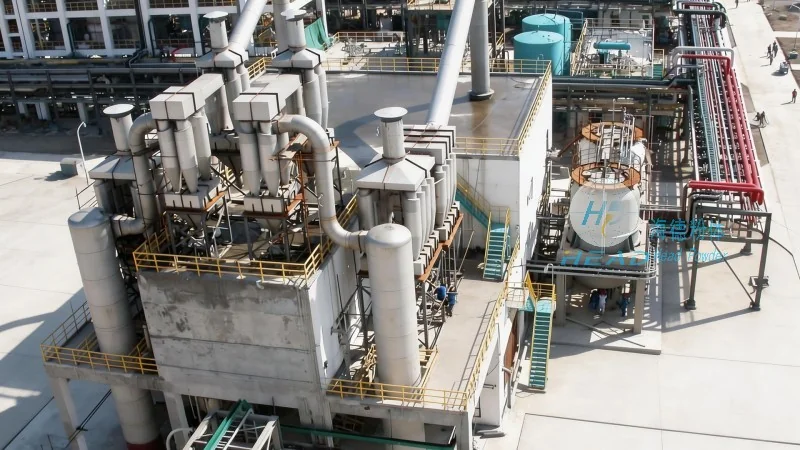
At the core of a phosphorus pentoxide material handling system is a comprehensive setup designed to manage the storage, transfer, and distribution of P₂O₅. Such systems are typically integrated into industrial facilities that produce or utilize this compound, ensuring that the material is handled in a controlled environment to prevent accidents and maintain product integrity. The system components may include bulk storage tanks, transfer pumps, conveying lines, and receiving hoppers, all engineered to minimize exposure to air and moisture. The primary goal is to maintain the anhydrous state of P₂O₅, as any contact with water can cause exothermic reactions, leading to pressure build-up and potential hazards.
Key Design Principles for Phosphorus Pentoxide Handling
The design of a phosphorus pentoxide material handling system is guided by several critical principles aimed at safety, efficiency, and material preservation. First, the system must incorporate robust sealing mechanisms to prevent moisture ingress and product leakage. This often involves using double-seal or hermetic designs for containers and pipelines, as even trace amounts of water can degrade the quality of P₂O₅ and create safety risks. Second, the system employs negative pressure or vacuum-assisted transfer to move the material, reducing the risk of dust dispersion and ensuring a controlled flow. This method also minimizes the exposure of personnel to the chemical, as the material is contained within sealed vessels throughout the process.
Third, material selection plays a pivotal role in the design. Components such as tanks, pipes, and valves are typically made from corrosion-resistant materials like Hastelloy, titanium, or high-grade stainless steel, which can withstand the aggressive nature of P₂O₅. Additionally, the system may include temperature control features to regulate the material's state, as P₂O₅ can be stored as a solid or handled as a slurry under controlled conditions. Proper insulation and heat management are crucial to prevent condensation and maintain the material's anhydrous condition.
Components of a Typical Phosphorus Pentoxide Material Handling System
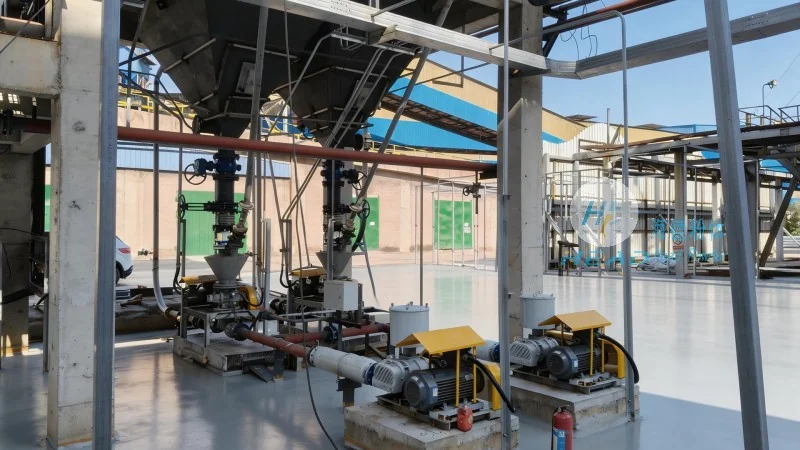
A standard phosphorus pentoxide material handling system consists of several interconnected components, each serving a specific function in the overall process. The storage unit, often a large, insulated tank, is designed to hold the anhydrous P₂O₅ in a sealed environment. This tank is equipped with pressure relief valves and moisture detectors to monitor the internal conditions and prevent over-pressurization or moisture contamination. From the storage tank, a transfer pump (usually a positive displacement type) moves the material to the conveying line, which may be a flexible or rigid pipeline with internal linings to prevent corrosion.
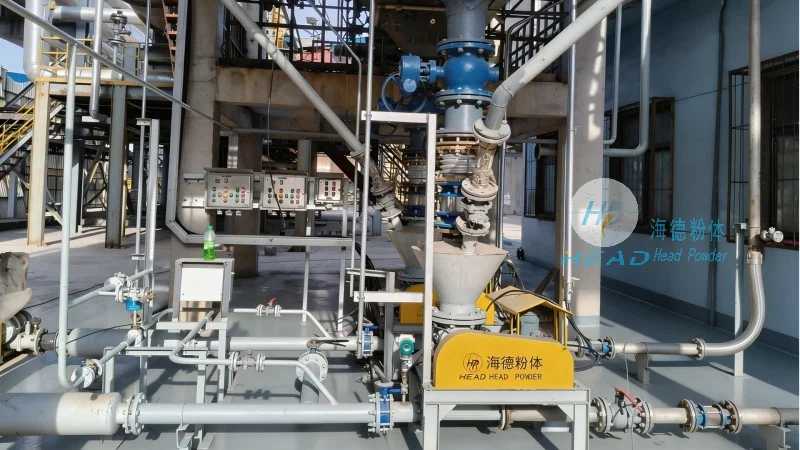
The conveying line is typically arranged in a loop or a series of branches to distribute the material to various processing units or storage points. At the receiving end, a receiving hopper or tank is used to collect the P₂O₅, which may then be further processed or packaged for distribution. The system also includes monitoring and control systems, such as level sensors, temperature gauges, and flow meters, to provide real-time data on the material's status and ensure smooth operation. Safety interlocks and emergency shut-off valves are integrated into the design to quickly halt the process in case of any anomalies or hazards.
Applications and Safety Considerations
Phosphorus pentoxide material handling systems are widely used in industries where P₂O₅ is a key raw material, including the chemical, pharmaceutical, and agricultural sectors. In the chemical industry, these systems are crucial for producing high-purity phosphoric acid, which is used in fertilizers and detergents. In the pharmaceutical field, P₂O₅ is utilized in the synthesis of organic phosphorus compounds, often requiring precise control over the material's moisture content to avoid product degradation. The agricultural sector also benefits from P₂O₅ in the production of phosphorus-based fertilizers, where consistent quality and safety are paramount.
From a safety perspective, handling P₂O₅ demands strict adherence to industrial safety protocols. The system must be designed to prevent accidental release of the material, as inhalation or skin contact can cause severe irritation or burns. Personal protective equipment (PPE), such as gloves, goggles, and respirators, is mandatory for personnel working with the system. Additionally, the facility must be equipped with proper ventilation systems to remove any airborne particles and prevent accumulation of the chemical. Emergency response plans are also integral to the system's design, outlining procedures for dealing with spills or leaks to minimize environmental and health risks.
Conclusion
In summary, a phosphorus pentoxide material handling system is a sophisticated and carefully engineered solution designed to safely and efficiently manage the handling of this highly reactive chemical. The design principles, including robust sealing, negative pressure transfer, corrosion-resistant materials, and comprehensive monitoring, ensure that the material is handled in a controlled environment while minimizing risks to personnel and the environment. As industries continue to rely on P₂O₅ for various applications, the importance of such systems cannot be overstated, as they provide the foundation for safe and efficient operations in the production and use of this critical compound.