

What is a foam powder material handling system? What are its design principles?
For industries dealing with fine powders, especially those that are prone to dust, static, or require airtight containment, foam powder material handling systems offer a specialized solution. These systems are engineered to transport and process foam powders efficiently while maintaining safety and environmental standards. Understanding the core components and design principles behind such systems is crucial for selecting the right equipment for specific operational needs.
Overview of Foam Powder Material Handling Systems
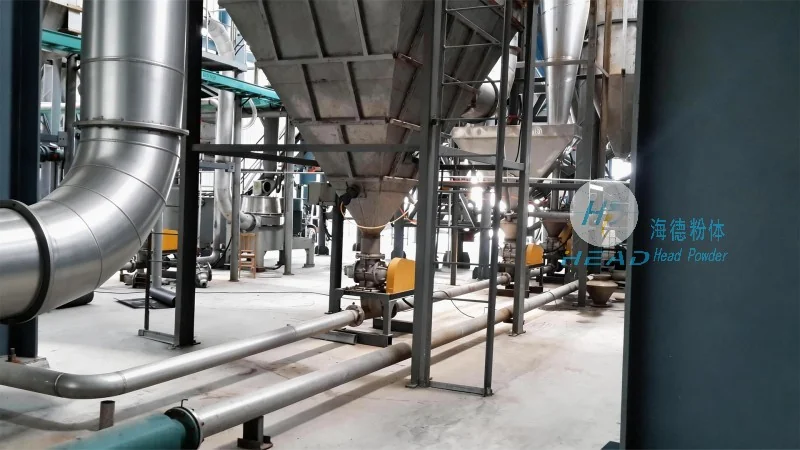
A foam powder material handling system is a specialized type of pneumatic conveying equipment designed to transport and process foam powders. These powders may include materials like certain chemicals, food additives, or industrial additives that, when mixed with air or other gases, form a stable foam. The system typically consists of a hopper for material storage, a feeder to control the flow rate, a conveying line (often with a foam generator or air injection system), and a receiver for the discharged material. The entire system operates under controlled pressure and temperature conditions to ensure the foam remains stable during transport and to prevent material degradation or contamination.
Key Components and Their Functions
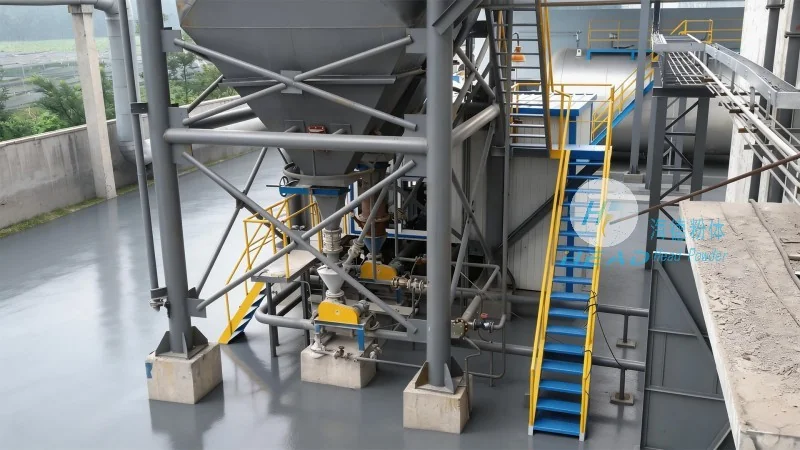
The effectiveness of a foam powder material handling system relies on several critical components, each playing a specific role in the overall operation. The first component is the material hopper, which stores the foam powder and provides a consistent feed to the system. The hopper is usually equipped with a level indicator to monitor the material volume and may include a pre-drying or pre-conditioning section to adjust the powder's moisture content if necessary. Next is the feeder, which regulates the flow of powder into the conveying line. Common types include rotary valves, screw feeders, or vibratory feeders, chosen based on the powder's characteristics and the required flow rate. The conveying line itself is a crucial part, often made of stainless steel or other corrosion-resistant materials to handle the foam and any potential chemicals. It may include sections with air injection ports or foam generators to maintain the foam structure during transport. The system also includes a pressure control unit to regulate the air or gas pressure within the line, ensuring stable flow and preventing blockages. Finally, the receiver collects the discharged foam powder, often with a venting or filtration system to manage any residual air or dust.
Design Principles for Efficient Foam Powder Transport
The design of a foam powder material handling system is guided by several key principles to ensure optimal performance, safety, and reliability. The first principle is maintaining a stable foam structure throughout the conveying process. This requires precise control of air-to-powder ratios and pressure levels. Engineers must calculate the optimal gas velocity and pressure to keep the foam from collapsing or becoming too dense, which could lead to blockages or uneven flow. Another critical principle is ensuring airtight and dust-free operation. Since foam powders are often sensitive to moisture or contamination, the system must be constructed with sealed components and proper sealing mechanisms to prevent external air or contaminants from entering the line. This also helps in maintaining the foam's quality and preventing dust emissions that could affect the environment or worker health. Additionally, the system's design must consider the material's physical properties, such as its density, particle size, and flowability. For example, powders with high moisture content may require pre-drying to prevent caking or blockages, while fine powders may need higher air velocities to maintain suspension. The design also incorporates safety features, such as pressure relief valves and emergency shut-off systems, to protect against over-pressurization or system failures. These principles collectively ensure that the foam powder is transported efficiently, safely, and without compromising its quality.
Applications and Industries Benefiting from Foam Powder Systems
Foam powder material handling systems are widely used in various industries where foam powders are a key component. In the chemical industry, these systems are used to transport additives like foaming agents or surfactants that are critical in manufacturing processes. The food industry also relies on them for transporting food-grade foam powders, such as protein powders or flavor enhancers, ensuring that the powders remain fresh and uncontaminated during transport. The pharmaceutical industry uses similar systems for handling active pharmaceutical ingredients (APIs) that may form foams during processing, requiring airtight and sterile conditions. Other industries include cosmetics, where foam powders are used in formulations, and industrial manufacturing, where they are used as additives in coatings or adhesives. In each of these applications, the foam powder system provides a reliable and efficient way to handle materials that are otherwise difficult to transport due to their foaming characteristics or sensitivity to environmental factors.
Advantages of Using Foam Powder Material Handling Systems
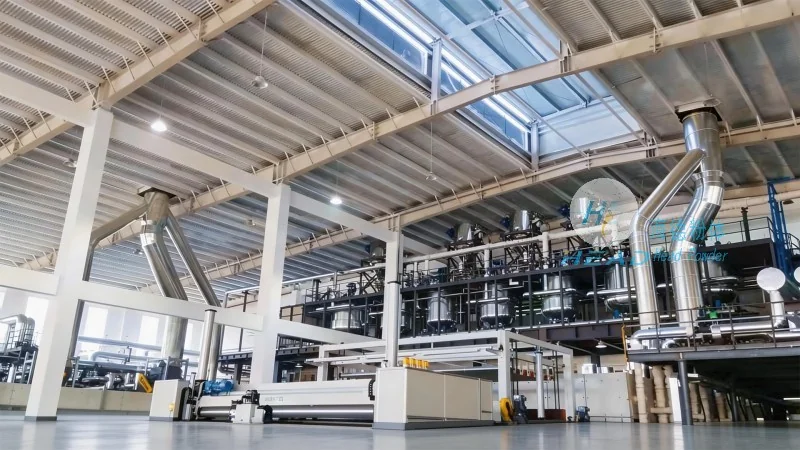
Compared to traditional bulk material handling methods, foam powder material handling systems offer several advantages that make them ideal for specific applications. One of the primary benefits is the ability to transport materials in a sealed, dust-free environment. This reduces the risk of dust exposure for workers and minimizes environmental contamination, which is particularly important for powders that are hazardous or sensitive to moisture. The sealed system also helps maintain the material's quality by preventing oxidation or degradation during transport. Another advantage is the high efficiency in terms of material throughput. By using controlled air pressure and foam generation, these systems can transport large volumes of powder with minimal energy consumption compared to other methods like belt conveyors or bucket elevators. This efficiency translates into lower operational costs and higher productivity for the end-user. Additionally, the flexibility of foam powder systems allows them to handle a wide range of powder types, from fine to coarse particles, and even materials with varying moisture content. This adaptability makes them suitable for diverse industrial applications. Finally, the system's design allows for easy integration with existing production lines, reducing the need for major modifications to the facility. This makes it a cost-effective solution for companies looking to upgrade their material handling capabilities without significant capital investment.
Conclusion: Choosing the Right Foam Powder Material Handling System
When selecting a foam powder material handling system, it is essential to consider the specific requirements of the application, including the type of powder, the required flow rate, and the operating environment. Shandong HeadPowder Engineering Co., Ltd., a leading provider of material handling solutions based in Shandong, China, offers customized foam powder systems tailored to meet these needs. With expertise in designing and manufacturing efficient, reliable, and safe material handling equipment, HeadPowder ensures that clients receive systems that optimize performance, minimize downtime, and enhance overall operational efficiency. By understanding the design principles and components of foam powder material handling systems, industries can make informed decisions that lead to improved productivity and compliance with safety and environmental standards.