

What is a Foamed Plastic Powder Conveying System Equipment? What Are Its Design Principles?
The foamed plastic powder conveying system equipment is a specialized piece of machinery designed to handle and transport lightweight, porous plastic powders efficiently. These materials, often used in industrial applications such as insulation, packaging, and automotive parts, present unique challenges due to their low density and tendency to flow irregularly. The system addresses these challenges by integrating advanced engineering solutions to ensure consistent, reliable, and safe material handling.
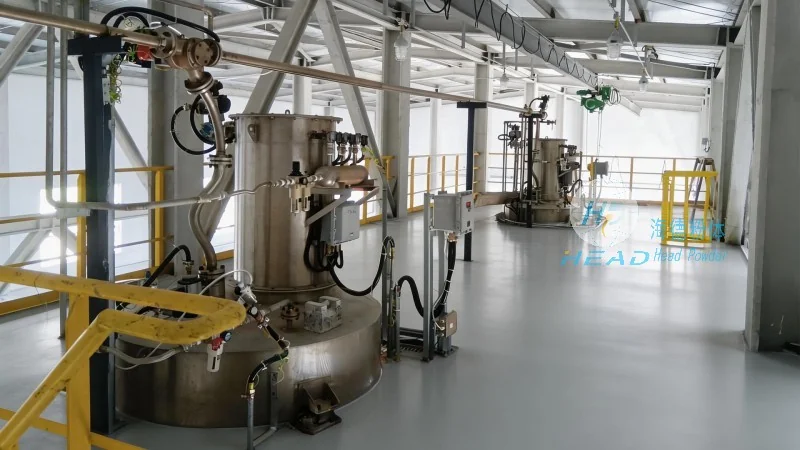
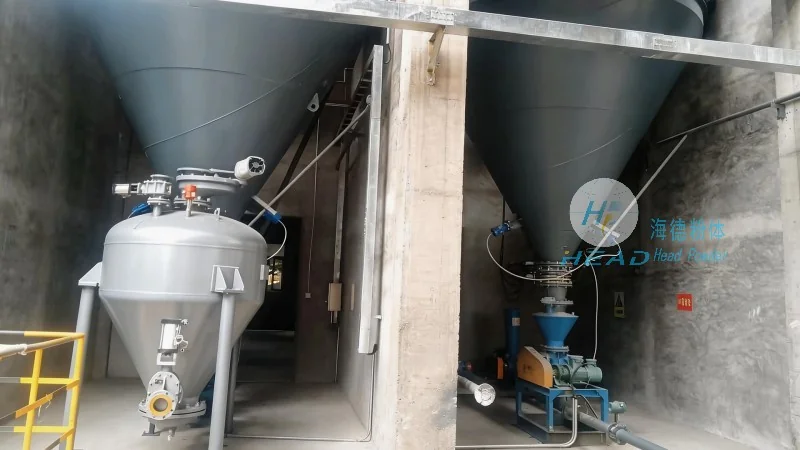
Understanding the Equipment and Its Core Components
The equipment typically consists of several key components that work in tandem to achieve optimal performance. These include a hopper for material storage, a feeder mechanism to control the flow rate, a conveyor system (often pneumatic or mechanical) to transport the powder, and a control panel for monitoring and adjusting operations. Each component is carefully designed to accommodate the specific properties of foamed plastic powders, such as their low bulk density and potential for dust generation. The hopper is usually equipped with aeration or vibration features to prevent material bridging and ensure smooth discharge. The feeder, which may be a rotary valve or a screw feeder, regulates the amount of powder released into the conveyor. The conveyor system, commonly a pneumatic pipeline or a mechanical belt system, transports the powder from the source to the destination, while the control panel allows operators to adjust parameters like pressure, flow rate, and speed to maintain consistent performance.
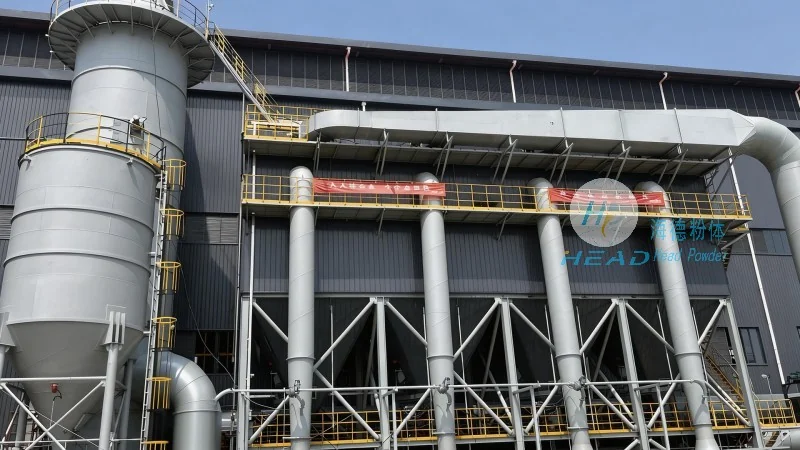
Design Principles Behind the Conveying System
The design of a foamed plastic powder conveying system is guided by several fundamental principles aimed at maximizing efficiency and safety. One primary principle is the minimization of material degradation and contamination. Foamed plastics are sensitive to moisture and mechanical stress, so the system is constructed from materials that are non-reactive and resistant to wear. The use of smooth, non-stick surfaces in the hopper and conveyor reduces friction, preventing the powder from being crushed or deformed. Another key principle is the prevention of dust accumulation and explosion hazards. The system incorporates dust collection and filtration systems to capture airborne particles and maintain a safe working environment. Additionally, the design emphasizes energy efficiency by optimizing the flow of air or mechanical power, reducing operational costs while maintaining performance. The control system is designed to provide real-time monitoring of pressure, flow, and temperature, allowing for immediate adjustments to prevent system failures or material damage.
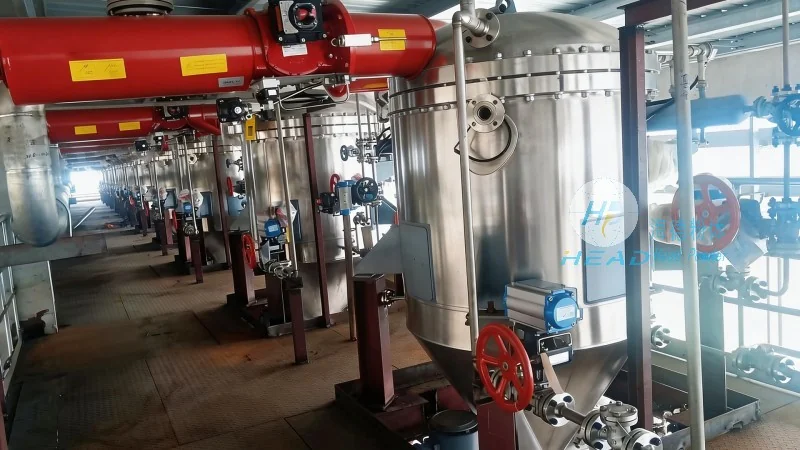
The Role of HeadPowder in Engineering and Manufacturing
Shandong HeadPowder Engineering Co., Ltd. plays a crucial role in the development and manufacturing of foamed plastic powder conveying systems. As a leading provider in the industry, the company specializes in customizing equipment to meet the specific needs of clients. With a team of experienced engineers and technicians, HeadPowder leverages advanced design software and manufacturing techniques to produce high-quality systems that adhere to international standards. The company’s commitment to quality is evident in its rigorous testing procedures, which ensure that each piece of equipment meets the highest performance and safety requirements. HeadPowder also provides comprehensive after-sales support, including maintenance services and technical assistance, to ensure that clients can maximize the lifespan and efficiency of their conveying systems.