

What is a Wood Fiber Powder Conveying System Equipment? What Are Its Design Principles?
Welcome to Shandong HeadPowder Engineering Co., Ltd., where we specialize in providing advanced solutions for wood fiber powder handling and transportation. In this article, we will explore the concept of wood fiber powder conveying systems and delve into the core design principles that underpin their functionality and efficiency.
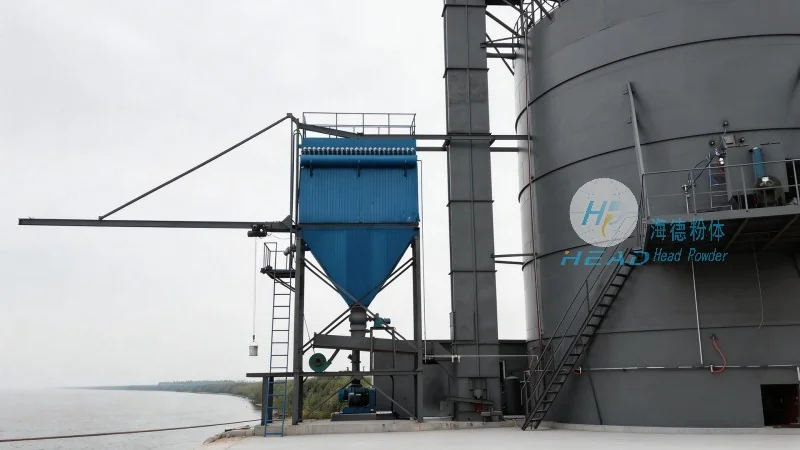
Understanding Wood Fiber Powder Conveying Systems
A wood fiber powder conveying system is a specialized piece of industrial equipment designed to transport wood fiber powders from one location to another within a manufacturing or processing facility. These systems are crucial in industries such as paper production, composite materials manufacturing, and biomass energy generation, where the efficient movement of wood fiber powders is essential for maintaining production flow and quality control.
The primary function of a wood fiber powder conveying system is to move wood fiber powders through a pipeline or duct using various mechanisms like pneumatic conveying, mechanical screw conveyors, or combination systems. Each system is tailored to the specific characteristics of the wood fiber material, including its moisture content, particle size, and bulk density, ensuring optimal performance and minimal material degradation.
Key Design Principles of Wood Fiber Powder Conveying Systems
The design of a wood fiber powder conveying system is governed by several critical principles that ensure reliability, efficiency, and safety. These principles include:
1. Material Compatibility and Handling: The system must be constructed from materials that are resistant to the chemical and physical properties of wood fiber powders. This includes corrosion-resistant metals and specialized coatings that prevent wear and tear from abrasive particles. The design also considers the potential for moisture absorption and how to mitigate it to maintain material quality.
2. Flow Control and Pressure Management: Proper flow control is essential to prevent blockages and ensure consistent material movement. This involves the use of adjustable valves, pressure sensors, and control systems that regulate the air or mechanical force used to move the powder. Effective pressure management prevents excessive wear on components and ensures energy efficiency.
3. Dust Control and Environmental Safety: Wood fiber powders can generate significant dust, which poses health and safety risks. The design incorporates dust collection systems, sealed enclosures, and filtration mechanisms to minimize airborne particles and comply with environmental regulations. This not only protects personnel but also maintains the integrity of the material by preventing contamination.
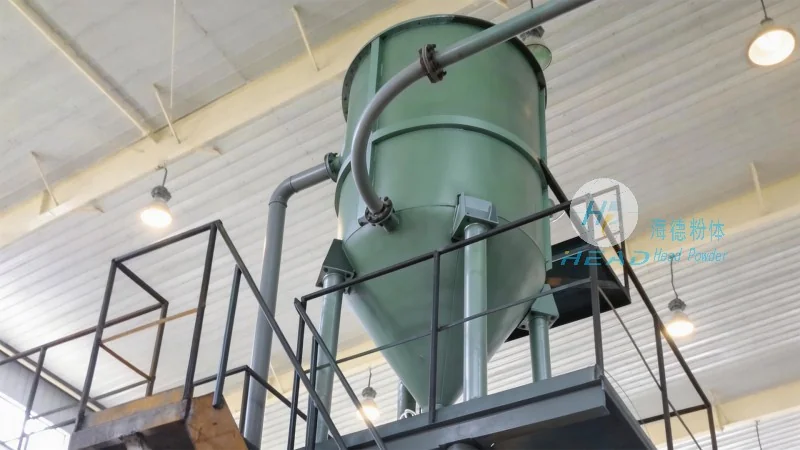
4. Scalability and Integration: Modern wood fiber powder conveying systems are designed to be scalable, allowing them to adapt to changing production needs. They can be integrated with existing manufacturing lines or expanded to accommodate increased throughput. The modular design enables easy upgrades and modifications without disrupting ongoing operations.
Components and Functionality of the System
A typical wood fiber powder conveying system consists of several key components that work in concert to achieve efficient material transport. These components include:
1. Feed Hopper: The feed hopper is the initial component where wood fiber powders are loaded. It is designed to store the material and provide a controlled feed rate to the conveying mechanism. The hopper may include a pre-drying or conditioning section to adjust the moisture content of the powder, ensuring optimal flow characteristics.
2. Conveying Mechanism: This is the core of the system, responsible for moving the wood fiber powder through the pipeline. Depending on the system type, it may use pneumatic pressure (air or gas) to push the powder or mechanical components like screws, belts, or augers to pull it along. The choice of mechanism depends on factors such as the material's properties and the distance to be covered.
3. Pipeline and Ductwork: The pipeline or ductwork forms the path for the wood fiber powder. It is typically made of durable materials like stainless steel or high-density polyethylene to withstand the abrasive nature of the powder and resist corrosion. The design of the pipeline includes bends, elbows, and transitions to maintain smooth flow and prevent blockages.
4. Control and Monitoring Systems: Advanced control systems are integrated into the wood fiber powder conveying system to monitor and regulate its operation. These systems include sensors for pressure, flow rate, and temperature, as well as control panels that allow operators to adjust settings in real-time. This ensures that the system operates within optimal parameters and alerts to any anomalies or potential issues.
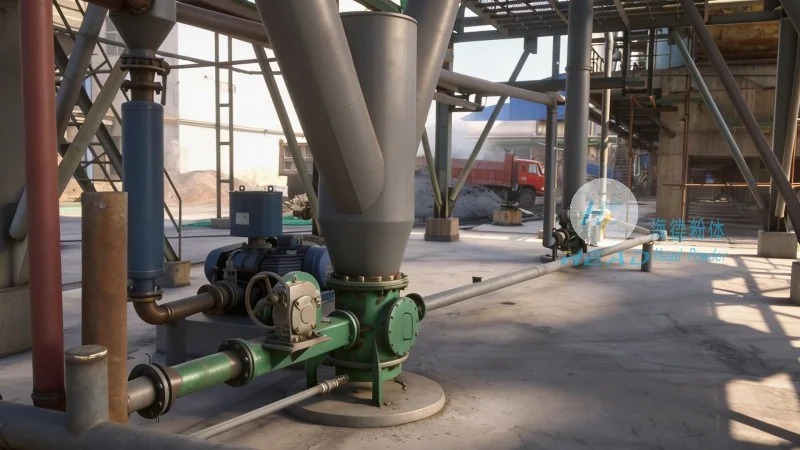
Benefits of Using a Wood Fiber Powder Conveying System
Implementing a wood fiber powder conveying system offers numerous benefits for industrial operations. These include:
1. Increased Efficiency and Productivity: By automating the movement of wood fiber powders, the system reduces labor costs and minimizes downtime associated with manual handling. This leads to higher production rates and improved overall efficiency.
2. Improved Material Quality and Consistency: The controlled environment of the conveying system prevents material degradation and contamination, ensuring that the wood fiber powder delivered to the next stage of production meets the required specifications. This enhances product quality and reduces waste.
3. Enhanced Safety and Environmental Compliance: The sealed and dust-controlled design of the system minimizes health risks to workers and reduces the environmental impact of dust emissions. This helps companies comply with regulations and maintain a safe working environment.
4. Cost Savings and Longevity: By reducing maintenance needs and extending the lifespan of components through proper design and material selection, the system offers long-term cost savings. The modular and scalable design also allows for future expansion, protecting the initial investment.
Conclusion
Wood fiber powder conveying systems are sophisticated industrial solutions that play a vital role in the efficient handling and transportation of wood fiber powders. By adhering to key design principles such as material compatibility, flow control, dust management, and scalability, these systems ensure reliable performance and contribute to the overall success of industrial operations. At Shandong HeadPowder Engineering Co., Ltd., we are committed to providing high-quality wood fiber powder conveying systems that meet the unique needs of our clients, helping them achieve their production goals while maintaining safety and environmental standards.