

What is Synthetic Rubber Powder Conveying Equipment? What Are Its Design Principles?
For industrial applications that require the efficient and reliable transport of synthetic rubber powder, specialized equipment is essential. This article explores the concept of synthetic rubber powder conveying equipment and delves into its fundamental design principles, highlighting the technical aspects that ensure optimal performance in various industrial settings.
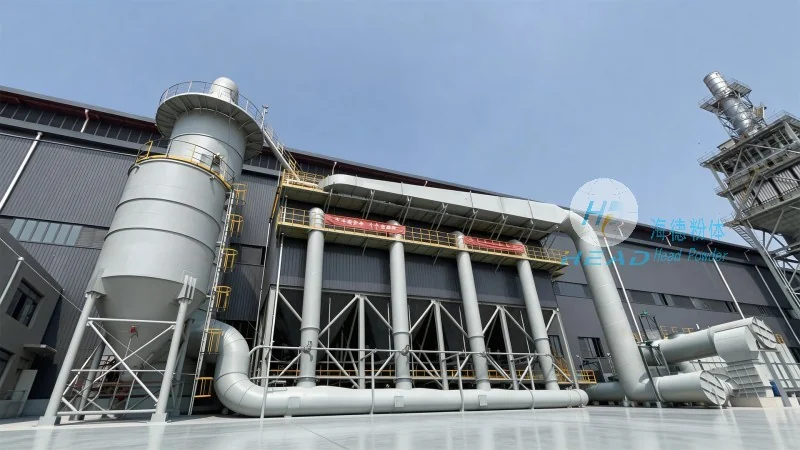
Introduction to Synthetic Rubber Powder Conveying Equipment
Synthetic rubber powder conveying equipment is a specialized system engineered to handle the transportation of synthetic rubber powders from one location to another within industrial processes. These systems are crucial in manufacturing environments where synthetic rubber is used as a raw material or intermediate product. The equipment is designed to ensure that the powder is moved efficiently, safely, and without degradation, maintaining the quality and integrity of the synthetic rubber powder throughout the conveying process.
Key Components of Synthetic Rubber Powder Conveying Systems
At the core of synthetic rubber powder conveying equipment are several key components that work in tandem to achieve effective material transport. These components typically include a feeding mechanism, a conveying device (such as a screw conveyor, pneumatic conveyor, or belt conveyor), a control system, and a dust collection or filtration unit. Each component plays a critical role in the overall operation of the system, ensuring that the synthetic rubber powder is handled with precision and care.
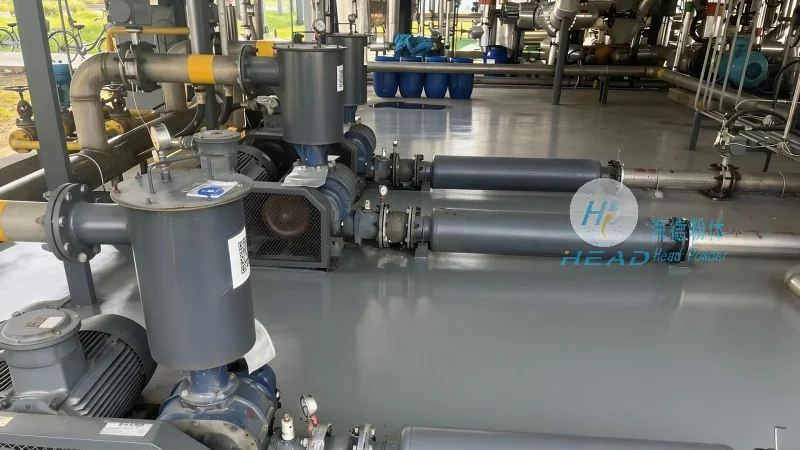
Design Principles for Efficient Synthetic Rubber Powder Conveying
The design of synthetic rubber powder conveying equipment is guided by several key principles aimed at maximizing efficiency, safety, and material integrity. One of the primary principles is the minimization of material degradation, which is achieved through the use of appropriate materials for the equipment components that come into direct contact with the synthetic rubber powder. For instance, the use of stainless steel or specialized coatings on conveyor surfaces helps prevent abrasion and contamination, preserving the quality of the powder.
Another critical design principle is the prevention of dust accumulation and the control of air flow. Synthetic rubber powders can generate significant dust during handling, which poses health and safety risks. Therefore, conveying systems often incorporate dust collection and filtration systems to capture and remove airborne particles, ensuring a clean and safe working environment. The design also considers the need for gentle handling of the powder to avoid agglomeration or compaction, which could affect downstream processing steps.
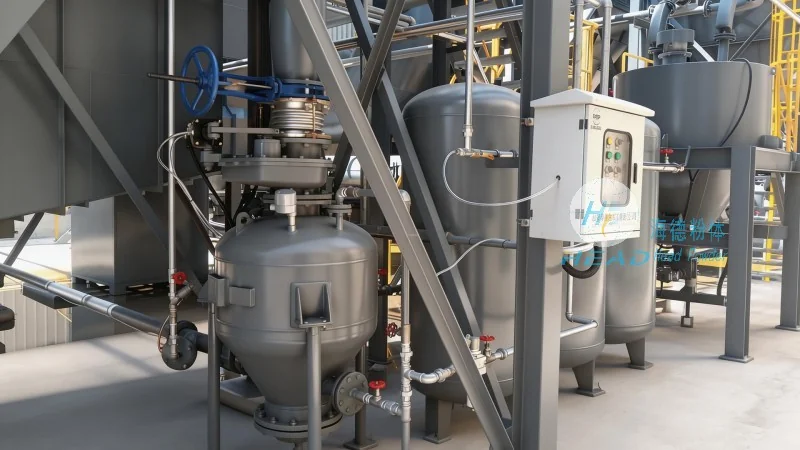
Feeding Mechanisms and Material Handling
The feeding mechanism is a vital part of synthetic rubber powder conveying equipment, responsible for introducing the powder into the conveying system. Common feeding methods include gravity feed hoppers, vibratory feeders, and screw feeders. The choice of feeding mechanism depends on the characteristics of the synthetic rubber powder, such as its bulk density, flowability, and moisture content. For powders with poor flowability, vibratory feeders are often used to help break up clumps and ensure a consistent flow rate. This ensures that the conveying system operates smoothly and avoids blockages or uneven material distribution.
Conveying Devices and Their Applications
The conveying device is the heart of the synthetic rubber powder conveying system, responsible for moving the powder from the feeding point to the discharge point. Several types of conveying devices are commonly used, each with its own advantages and applications. Screw conveyors, for example, are widely used for horizontal or slightly inclined transport of synthetic rubber powder. They are simple in design, reliable, and can handle a wide range of powder characteristics. Pneumatic conveyors, on the other hand, use air pressure to transport the powder, making them suitable for long-distance or vertical transport. These systems are particularly effective for powders that are prone to dust generation or require a more enclosed transport environment.
Control Systems and Automation
Modern synthetic rubber powder conveying equipment often incorporates advanced control systems and automation features to enhance operational efficiency and safety. These systems may include sensors to monitor the flow rate, level of material in the hopper, and the presence of blockages. The control system can then adjust the operation of the feeding and conveying mechanisms in real-time, ensuring optimal performance and preventing issues such as overfilling or underfilling. Automation also helps reduce the risk of human error and improves the consistency of the conveying process, which is crucial for maintaining product quality.
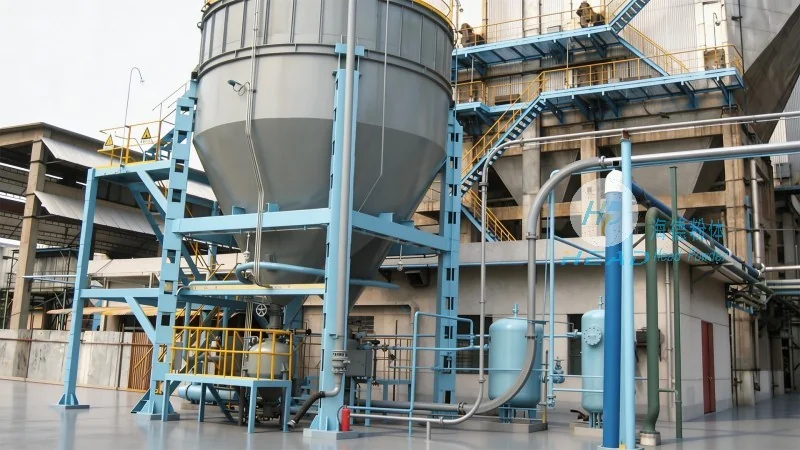
HeadPowder: A Leading Provider of Synthetic Rubber Powder Conveying Solutions
Shandong HeadPowder Engineering Co., Ltd., a prominent manufacturer based in China, specializes in the design, manufacturing, and supply of synthetic rubber powder conveying equipment. With a strong commitment to quality and innovation, HeadPowder has established itself as a trusted partner for industries that rely on efficient synthetic rubber powder handling. The company's products are engineered to meet the specific needs of various applications, ensuring that clients receive tailored solutions that enhance their operational efficiency and product quality.
Conclusion
Synthetic rubber powder conveying equipment is a critical component in industrial processes that involve the handling of synthetic rubber powders. The design principles and components of these systems are carefully engineered to ensure efficient, safe, and reliable transport of the material. By understanding the key aspects of synthetic rubber powder conveying equipment, industries can make informed decisions about the equipment that best suits their needs, ultimately improving their overall operational performance and product quality.