

What is a Fiber Material Conveying Line? What Are Its Design Principles?
Understanding fiber material conveying lines is crucial for industries that handle bulk materials, as these systems are integral to efficient material handling and processing. A fiber material conveying line, also known as a fiber material conveyor system, is a specialized equipment setup designed to transport fibrous materials, such as wood chips, paper pulp, or textile fibers, from one location to another within a production facility. These systems are engineered to ensure reliable, continuous, and safe movement of materials, which is essential for maintaining production efficiency and reducing operational downtime.
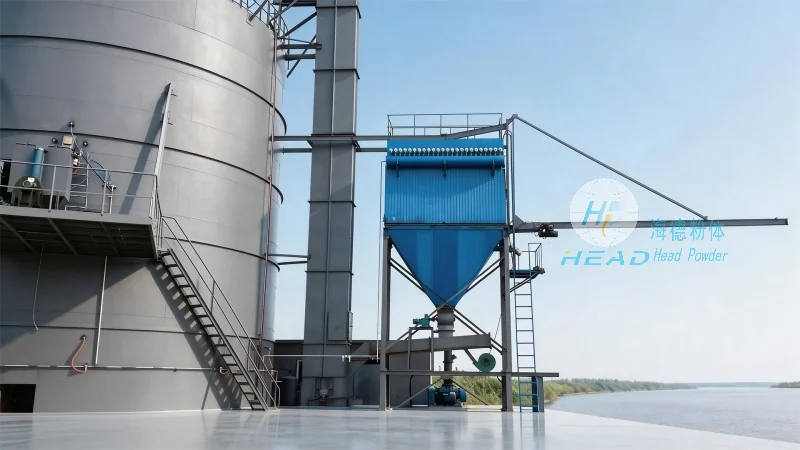
Key Components and Functional Aspects of Fiber Material Conveying Lines
The design of a fiber material conveying line typically involves several critical components that work in tandem to achieve optimal performance. The primary components include the conveyor itself, which may be a belt conveyor, screw conveyor, or pneumatic conveyor, depending on the material characteristics and processing requirements. For fibrous materials, belt conveyors are often preferred due to their ability to handle abrasive or irregularly shaped materials without causing excessive wear. The conveyor system is usually equipped with feeding mechanisms, such as hoppers or feeders, that ensure a consistent flow of material into the conveyor. Additionally, the system may incorporate control systems, including sensors and variable frequency drives (VFDs), to regulate the speed and flow of the material, enhancing operational flexibility and energy efficiency.
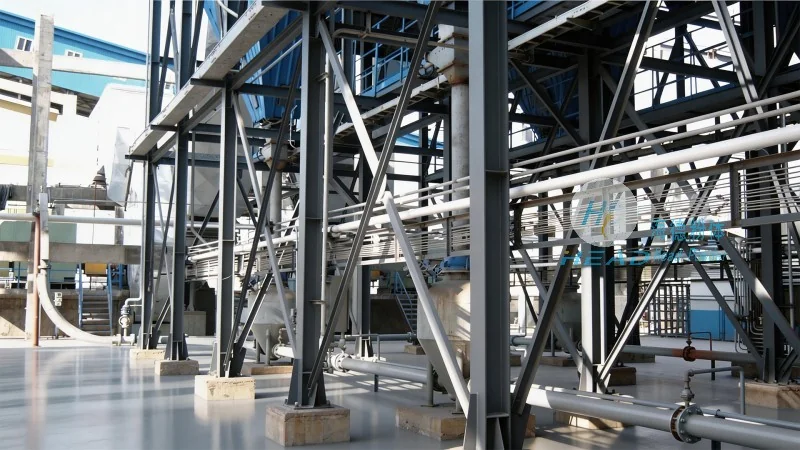
Design Principles for Efficient Fiber Material Conveying
The design principles of fiber material conveying lines are centered on maximizing efficiency, durability, and adaptability to various material types. One key principle is the selection of appropriate conveyor components based on the material's properties, such as moisture content, density, and abrasiveness. For example, materials with high moisture content may require conveyor belts made from materials resistant to water and wear, like rubber or synthetic fabrics. Another critical design principle is the consideration of the material's flow characteristics. Fibrous materials can be prone to bridging or clogging, so the conveyor design often includes features like incline angles, vibration devices, or air knives to prevent material buildup and ensure smooth flow. Furthermore, the system's layout and integration with other processing equipment are essential for seamless operation. A well-designed conveying line minimizes material handling steps, reduces the risk of contamination, and enhances overall production throughput.
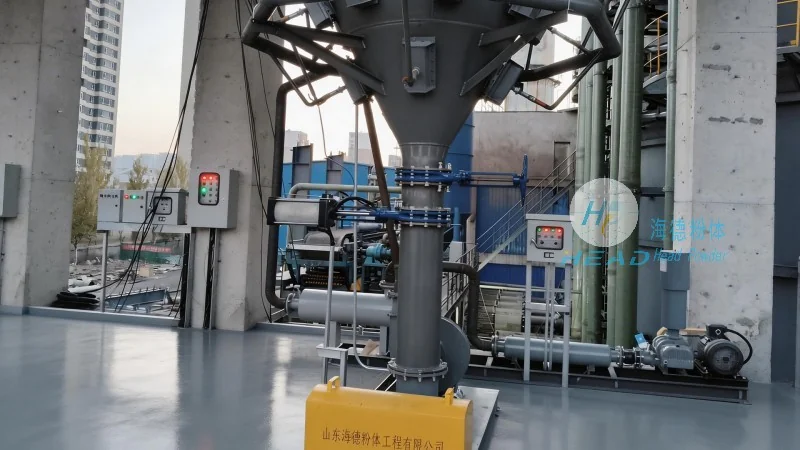
HeadPowder Engineering: Expert Solutions for Fiber Material Conveying
Shandong HeadPowder Engineering Co., Ltd., a leading manufacturer in the field, specializes in designing and manufacturing high-quality fiber material conveying lines tailored to the specific needs of various industries. With years of experience and a commitment to innovation, HeadPowder provides customized solutions that address the unique challenges of handling fibrous materials. The company's team of engineers leverages advanced design principles and cutting-edge technology to develop conveyor systems that are not only efficient but also durable and cost-effective. HeadPowder's products are built with high-quality materials and rigorous quality control measures, ensuring long-term reliability and minimal maintenance requirements. The company's expertise extends to the entire lifecycle of the conveying line, from initial design and installation to ongoing support and maintenance. By partnering with HeadPowder, businesses can enhance their material handling capabilities, improve production efficiency, and achieve sustainable operations.