

What is a Phosphoric Hydrogen Calcium Powder Conveying Line? And What Are Its Design Principles?
Phosphoric hydrogen calcium powder conveying lines are specialized systems engineered to handle the transportation of phosphoric hydrogen calcium powder, a critical raw material in various industrial applications. These lines are designed to ensure efficient, safe, and reliable movement of the powder from storage to processing or packaging stages. Understanding the design principles behind such systems is essential for optimizing performance and meeting industry standards.
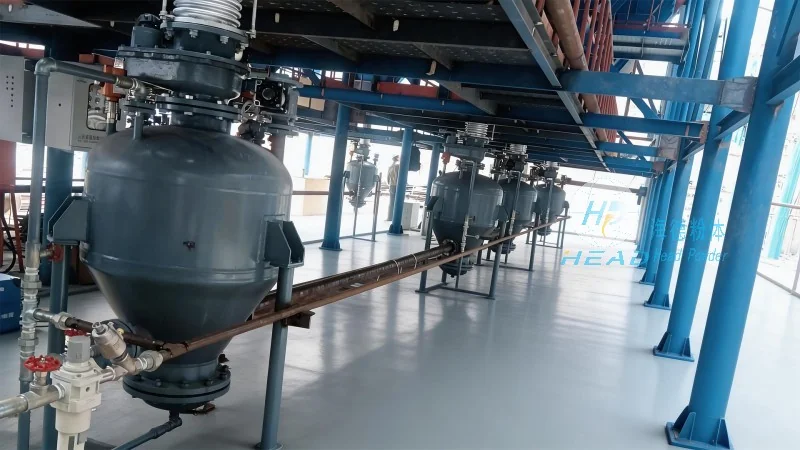
HeadPowder, a leading provider in the field, offers advanced solutions tailored to the unique challenges of handling phosphoric hydrogen calcium powder. With a strong presence in Shandong, China, the company combines expertise in material handling and engineering to deliver robust conveying systems that meet the demands of modern industrial operations.
System Components and Their Roles
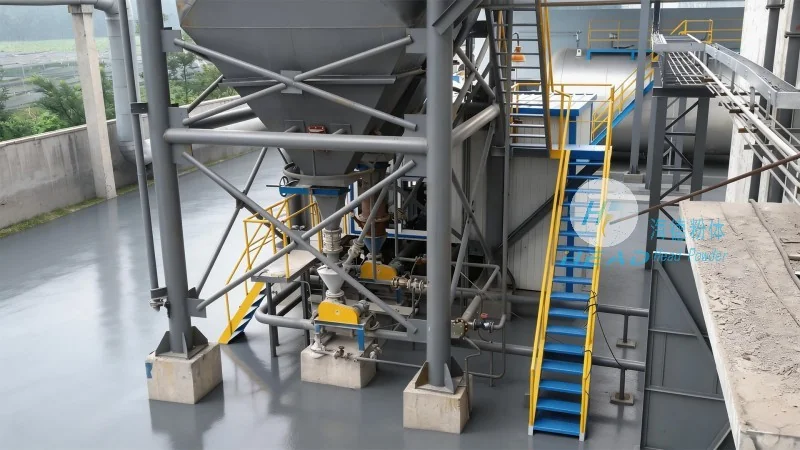
A typical phosphoric hydrogen calcium powder conveying line consists of several key components, each playing a vital role in the overall operation. These components include hoppers for material storage, feeders to control the flow rate, conveying equipment such as screw conveyors or pneumatic systems, and control panels for monitoring and regulation. The hoppers are designed to accommodate bulk storage of the powder, ensuring a consistent supply to the feeder. The feeder, often a rotary valve or a vibratory feeder, regulates the flow of powder into the conveying system, preventing overloading and maintaining a steady rate. The conveying equipment transports the powder through a network of pipes or troughs, while the control panel allows operators to adjust parameters like speed and pressure to optimize performance. Each component is carefully selected and integrated to ensure seamless operation and minimal downtime.
Design Principles for Efficient Powder Conveying
The design of a phosphoric hydrogen calcium powder conveying line is guided by several key principles aimed at maximizing efficiency, safety, and reliability. One of the primary principles is the prevention of material degradation and caking, which can occur due to moisture absorption or agglomeration. To address this, the system incorporates features like moisture control, temperature regulation, and anti-caking additives if necessary. The design also emphasizes the minimization of material loss and contamination, as phosphoric hydrogen calcium powder is often used in applications where purity is critical. This is achieved through sealed systems, proper sealing of components, and regular maintenance to prevent leaks or spills. Additionally, the system is designed to handle the specific properties of the powder, such as its density, flowability, and abrasiveness. For example, the conveying equipment may be made of materials resistant to corrosion and wear, such as stainless steel or special alloys, to withstand the harsh conditions of handling the powder. The control system is also designed to provide real-time monitoring of parameters like pressure, flow rate, and temperature, allowing for immediate adjustments if any issues arise. This proactive approach ensures that the system operates within optimal parameters and minimizes the risk of equipment failure or product contamination.
Applications and Industry Relevance
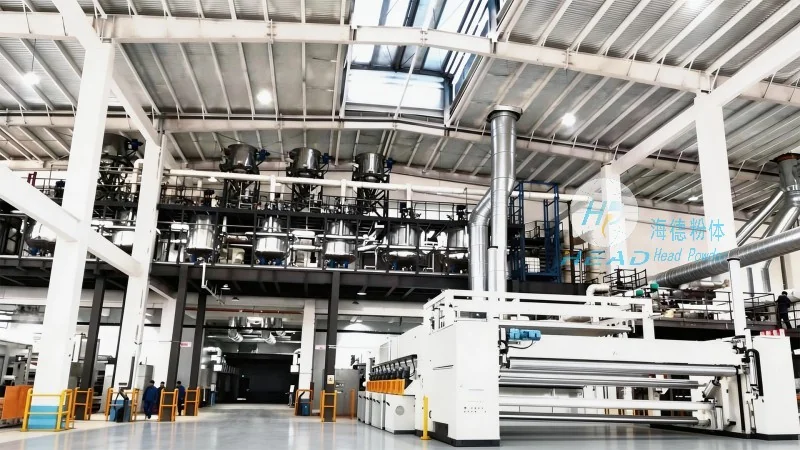
Phosphoric hydrogen calcium powder conveying lines are widely used in industries such as food processing, pharmaceuticals, and chemical manufacturing. In the food industry, the powder is often used as a nutritional supplement or in the production of dairy products, where its purity and consistent supply are crucial. In pharmaceuticals, the powder may be used as an excipient or in the formulation of medications, requiring strict adherence to quality control standards. The chemical industry may use the powder as a raw material in the production of fertilizers or other chemical products. The conveying systems are designed to meet the specific requirements of each application, ensuring that the powder is handled safely and efficiently throughout the production process. For instance, in food processing, the system may include additional features like cleaning-in-place (CIP) capabilities to maintain hygiene standards. In pharmaceuticals, the system may incorporate sterile design elements to prevent contamination. These tailored solutions demonstrate the versatility and adaptability of phosphoric hydrogen calcium powder conveying lines in meeting the diverse needs of modern industries.
Maintenance and Optimization for Longevity
Proper maintenance is essential to ensure the longevity and optimal performance of a phosphoric hydrogen calcium powder conveying line. Regular inspections of components such as hoppers, feeders, and conveying equipment are necessary to identify and address any issues before they escalate into major problems. This includes checking for wear and tear, ensuring proper lubrication, and verifying the functionality of control systems. The system should also be cleaned regularly to prevent the buildup of powder residue, which can affect flow and cause blockages. Additionally, the use of advanced monitoring technologies, such as sensors and data loggers, can provide real-time insights into the system's performance, allowing for predictive maintenance and proactive adjustments. By implementing a comprehensive maintenance plan, users can extend the lifespan of the equipment, reduce downtime, and maintain consistent product quality. Furthermore, continuous optimization of the system's parameters, such as flow rate and pressure, can improve efficiency and reduce energy consumption over time. This proactive approach to maintenance and optimization ensures that the phosphoric hydrogen calcium powder conveying line remains a reliable and cost-effective solution for industrial operations.