

What is a Sponge Sand Pneumatic Conveying System? And What Are Its Design Principles?
For industrial applications involving the transport of sponge sand, a pneumatic conveying system offers an efficient and reliable solution. This article explores the concept of a sponge sand pneumatic conveying system, detailing its design principles and the technical aspects that make it a preferred choice in material handling, as developed by Shandong HeadPowder Engineering Co., Ltd. from China.
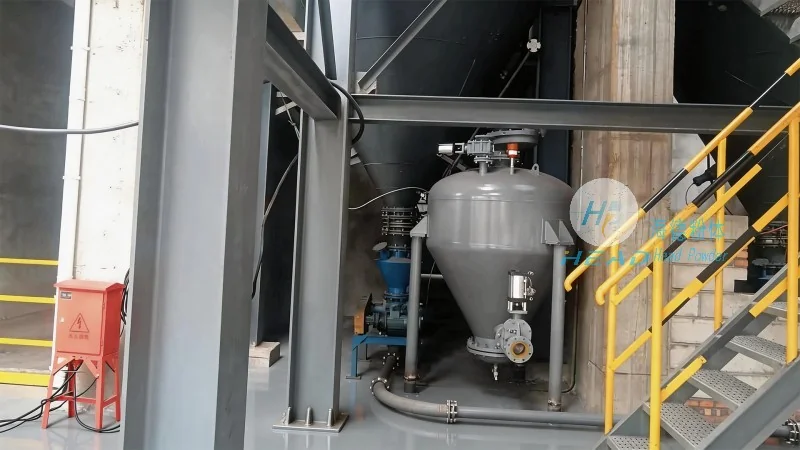
Understanding the Sponge Sand Pneumatic Conveying System
A sponge sand pneumatic conveying system is a type of equipment used to transport granular materials, such as sponge sand, through a pipeline using air or other gases. Unlike traditional mechanical conveyors, this system relies on the force of compressed air to move the material from the source to the destination. The system typically consists of a hopper, a blower or compressor, a pipeline network, and a receiver or discharge point. The sponge sand is fed into the hopper, and as air is introduced, it creates a flow that carries the sand through the pipeline to the desired location.
Key Design Principles of the System
The design of a sponge sand pneumatic conveying system is critical to its performance and efficiency. Several key principles guide the engineering and implementation of such systems. First, the system must ensure proper air-to-material ratio to maintain a stable flow. This ratio is crucial for preventing blockages and ensuring consistent material transport. Second, the pipeline design must account for the material's characteristics, including its density, particle size, and flowability. The diameter and length of the pipeline are carefully calculated to minimize pressure drop and energy consumption. Third, the system incorporates appropriate controls and monitoring devices to regulate air pressure, flow rate, and material level. These controls help maintain optimal operating conditions and prevent system failures.
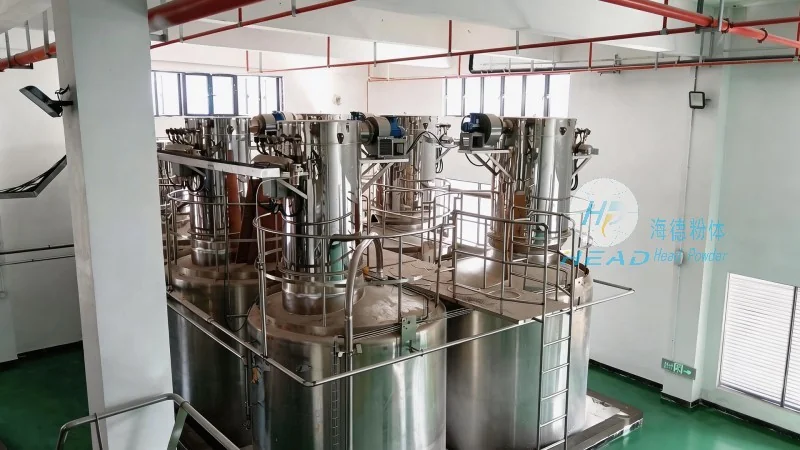
Components and Their Functions
The effectiveness of a sponge sand pneumatic conveying system depends on the proper functioning of its components. The hopper serves as the material storage and feeding unit, ensuring a consistent supply of sponge sand to the system. The blower or compressor provides the necessary air pressure to generate the conveying airflow. The pipeline network connects the hopper to the discharge point, with bends and fittings designed to minimize pressure loss. The receiver or discharge point collects the conveyed sponge sand and may include a dust collection system to maintain air quality. Each component is engineered to work in harmony, ensuring the smooth and efficient transport of the material.
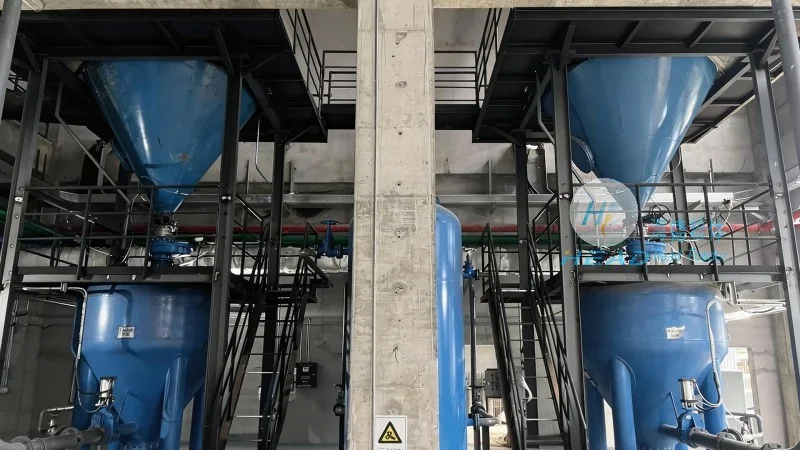
Advantages of Using a Sponge Sand Pneumatic Conveying System
Implementing a sponge sand pneumatic conveying system offers several advantages over traditional conveying methods. One of the primary benefits is the ability to transport materials in a closed system, which helps prevent dust contamination and environmental pollution. This is particularly important for sponge sand, which can be a source of fine particles that may affect air quality. Additionally, the system allows for flexible routing, as the pipeline can be configured to follow the layout of the industrial facility. This flexibility reduces the need for extensive infrastructure modifications and enables the system to adapt to changing production needs. Furthermore, the system operates with minimal maintenance requirements, as there are no moving parts in direct contact with the material, reducing wear and tear and extending the equipment's lifespan.
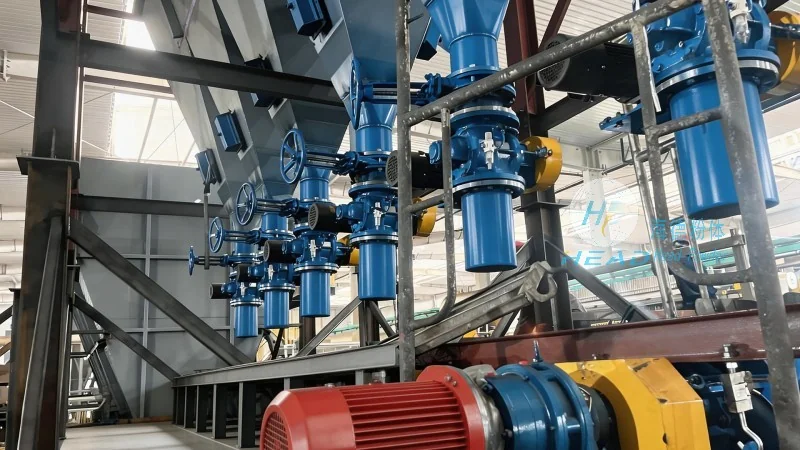
Applications and Industries
Sponge sand pneumatic conveying systems are widely used in various industries that require the handling of granular materials. These include the construction industry, where sponge sand is used as a lightweight aggregate in concrete and masonry products. The system is also utilized in the manufacturing of refractory materials, where the precise transport of sand is essential for quality control. Additionally, in the chemical and pharmaceutical industries, the system helps maintain the purity of materials by preventing contamination during transport. The versatility of the system makes it suitable for a range of applications, from small-scale operations to large industrial plants.
Conclusion
In conclusion, a sponge sand pneumatic conveying system is a sophisticated and efficient solution for transporting granular materials. Its design principles, which focus on air-to-material ratio, pipeline optimization, and system control, ensure reliable and consistent performance. The system's components work together to provide a closed, flexible, and low-maintenance method of material handling. As a result, industries such as construction, refractory manufacturing, and chemical processing benefit from improved productivity and reduced environmental impact. With its ability to adapt to various material characteristics and operational requirements, the sponge sand pneumatic conveying system remains a preferred choice for modern material handling applications.