

What is an Oat Flour Pneumatic Conveying System? And What Are Its Design Principles?
For those in the food processing industry, especially those dealing with bulk materials like oat flour, understanding the technology behind efficient material handling is crucial. A pneumatic conveying system, specifically designed for oat flour, offers a solution that combines efficiency, hygiene, and reliability. This article explores what an oat flour pneumatic conveying system is and delves into its fundamental design principles.
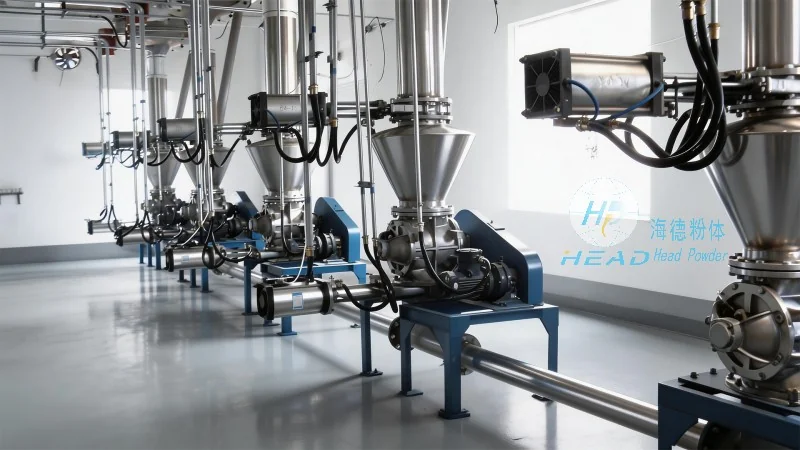
Introduction to Oat Flour Pneumatic Conveying Systems
At its core, an oat flour pneumatic conveying system is a mechanism that uses air or gas to transport oat flour from one location to another within a processing facility. Unlike traditional mechanical systems that rely on belts, screws, or buckets, pneumatic conveying employs pressure differentials to move the material through a network of pipes. This method is particularly advantageous for handling fine powders like oat flour, which can be prone to caking or segregation if not managed properly.
Understanding Pneumatic Conveying for Oat Flour
The primary goal of an oat flour pneumatic conveying system is to ensure the safe and efficient transfer of oat flour while maintaining product integrity. This involves controlling the flow rate, pressure, and air velocity to prevent issues such as product degradation, blockages, or contamination. The system typically consists of a hopper for material storage, a feeder to regulate the flow of oat flour, a conveying line (often made of stainless steel to meet sanitary standards), and a receiver for the final product.
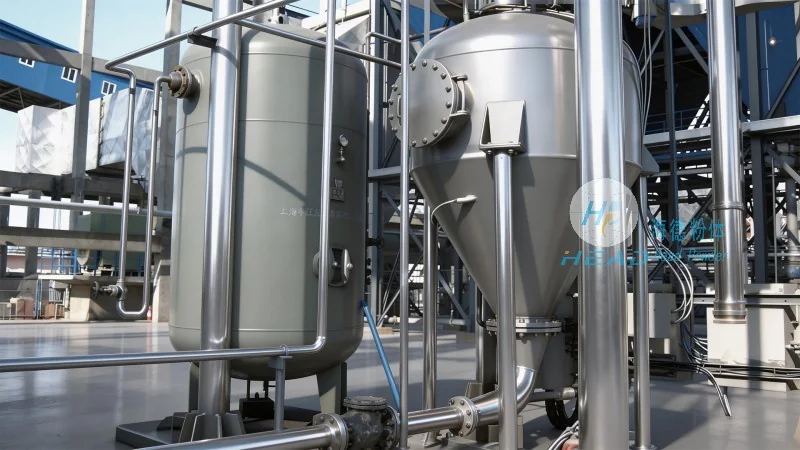
Core Design Principles of Oat Flour Pneumatic Conveying Systems
The design of an oat flour pneumatic conveying system is governed by several key principles that ensure optimal performance. First, the system must be designed to handle the specific properties of oat flour, including its particle size, moisture content, and flowability. This involves selecting appropriate equipment such as rotary valves or star feeders to control the discharge of the material from the hopper. Second, the system must maintain a consistent air flow to prevent fluctuations that could lead to uneven conveying or system inefficiencies. Third, the design must incorporate features that minimize product degradation, such as using low-velocity conveying for fine powders to avoid excessive friction and heat generation.
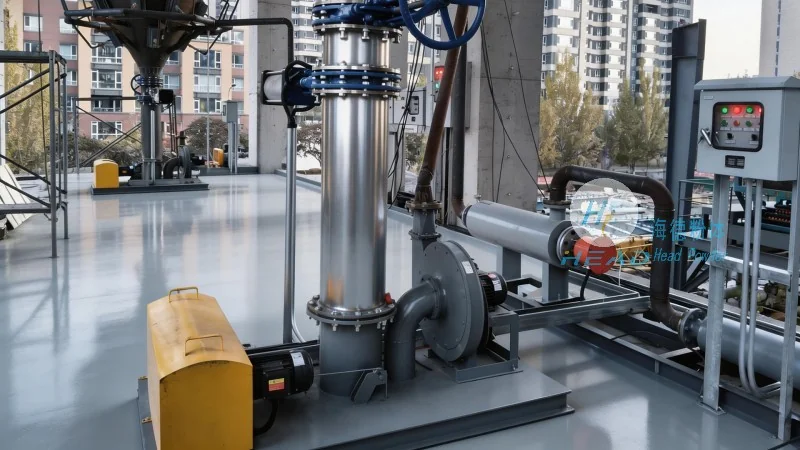
Key Components and Their Functions
Several critical components make up an oat flour pneumatic conveying system, each playing a vital role in the overall operation. The hopper serves as the storage vessel, providing a large capacity to hold the oat flour and ensuring a steady supply to the feeder. The feeder, often a rotary valve or a star feeder, regulates the flow of oat flour into the conveying line, preventing overfilling and maintaining a consistent feed rate. The conveying line, typically constructed from stainless steel to meet food industry standards, transports the oat flour and air mixture. It may include bends, elbows, or expansion joints to accommodate changes in direction or elevation. The receiver, or discharge hopper, collects the conveyed oat flour and may include a dust collection system to ensure environmental compliance. Additionally, the system may include a filter or cyclone to separate any fine particles from the air stream, preventing contamination and ensuring clean air discharge.
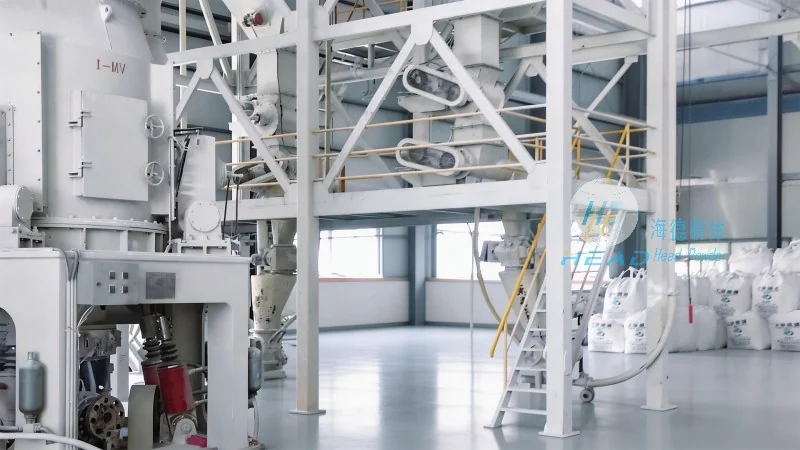
Application Scenarios and Benefits
Oat flour pneumatic conveying systems are widely used in various applications within the food processing industry. They are commonly employed in flour mills, where oat flour is transferred from storage silos to processing lines. The system can also be used in bakery facilities to move oat flour from storage to mixing equipment. Another application is in the production of oat-based products, such as oatmeal or oat cookies, where the system ensures a consistent supply of raw material to the production line. The benefits of using an oat flour pneumatic conveying system include improved hygiene, as the system is enclosed and reduces the risk of contamination from external sources. It also enhances efficiency by reducing labor costs associated with manual handling and minimizing product loss due to spillage or segregation. Furthermore, the system can be designed to handle varying production volumes, making it adaptable to different operational needs.
Company Profile: Shandong HeadPowder Engineering Co., Ltd.
Shandong HeadPowder Engineering Co., Ltd., commonly known as HeadPowder, is a leading manufacturer and supplier of pneumatic conveying systems and related equipment. With a focus on quality and innovation, HeadPowder specializes in designing and manufacturing systems tailored to the specific needs of the food processing industry. The company is located in Shandong, China, and has a strong reputation for delivering reliable and efficient solutions for bulk material handling. HeadPowder's expertise lies in understanding the unique challenges of handling fine powders like oat flour and developing systems that address these challenges effectively. The company's commitment to customer satisfaction and product excellence has made it a trusted partner for many food processing facilities worldwide.