

What is a Sodium Carbonate Pneumatic Conveying System? And What Are Its Design Principles?
When it comes to handling bulk materials like sodium carbonate, the choice of conveying system can significantly impact operational efficiency and safety. A pneumatic conveying system, specifically designed for sodium carbonate, offers a reliable solution that integrates material transport with process integration. This article explores the concept of a sodium carbonate pneumatic conveying system, detailing its operational principles and design considerations.
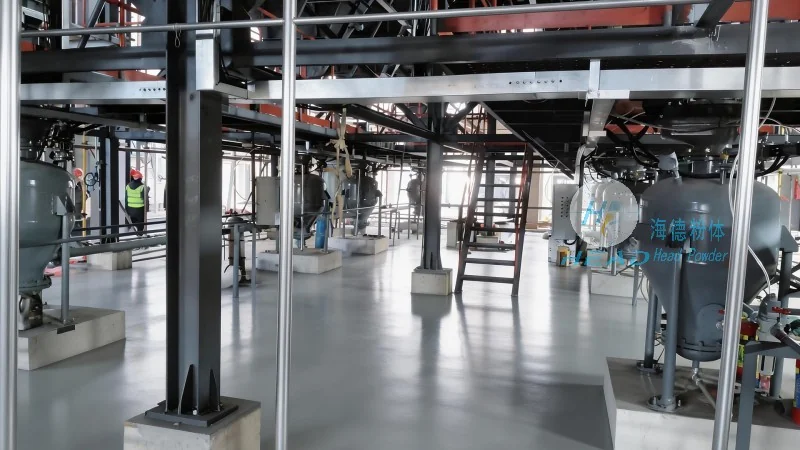
Understanding the Sodium Carbonate Pneumatic Conveying System
A sodium carbonate pneumatic conveying system is a specialized equipment setup used to transport sodium carbonate powder or granules from one location to another within an industrial facility. Unlike traditional mechanical conveyors, this system utilizes compressed air or other gases to move the material through a pipeline network. The primary components of such a system typically include a hopper for material storage, a feeder to control the flow rate, a conveying line (often made of stainless steel or other corrosion-resistant materials), and a receiver for the material at the destination point. The system operates by creating a pressure differential, where air is introduced into the conveying line to generate a flow that carries the sodium carbonate particles along the pipeline.
Key Design Principles for the System
The design of a sodium carbonate pneumatic conveying system is critical to ensure efficient, safe, and reliable operation. Several key principles guide the engineering and configuration of these systems:
First, material characteristics play a crucial role. Sodium carbonate, being a dry powder or granular material, has specific properties such as particle size distribution, bulk density, and flowability. These characteristics influence the selection of the conveying method—whether it's a dilute-phase or dense-phase system. Dilute-phase systems are suitable for fine powders and rely on high air velocity to keep particles suspended, while dense-phase systems use lower air velocity and higher material concentration to minimize particle degradation and ensure smooth transport.
Second, the system's pressure and flow rate requirements are determined by the distance and elevation changes between the source and destination points. The design must account for the pressure drop along the pipeline, which is influenced by factors like pipe diameter, length, bends, and fittings. Proper sizing of the conveying line and the air compressor is essential to maintain the required pressure and ensure consistent material flow without causing excessive energy consumption or material degradation.
Third, material handling and process integration are integral to the design. The system often integrates with other equipment, such as storage silos, mixers, or processing units, to form a seamless material flow process. This integration requires careful consideration of the system's compatibility with existing infrastructure and the ability to handle varying material loads without disrupting downstream operations.
Components and Their Functions
The effectiveness of a sodium carbonate pneumatic conveying system depends on the proper functioning of its key components. Each part plays a vital role in the overall operation:
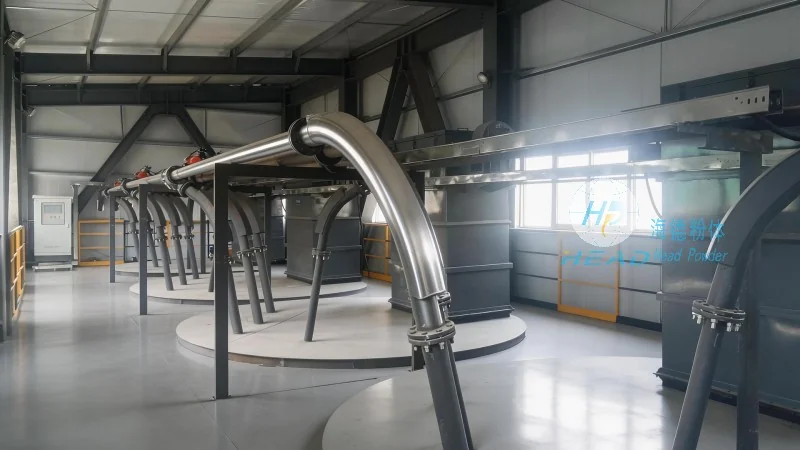
1. **Hopper**: The hopper serves as the primary storage vessel for sodium carbonate. It is designed to hold a sufficient quantity of material to ensure continuous operation and to provide a controlled feed to the feeder. The hopper's design, including its shape and internal surfaces, is optimized to prevent material bridging or caking, which can impede flow.
2. **Feeder**: The feeder is responsible for regulating the flow rate of sodium carbonate into the conveying line. It can be a rotary valve, a screw feeder, or a vibratory feeder, depending on the material's properties and the required flow control. The feeder ensures that the material is introduced into the system at a consistent rate, preventing surges or interruptions that could affect the conveying efficiency.
3. **Compressor and Air System**: The compressor generates the compressed air or gas that drives the material through the pipeline. The air system includes filters, regulators, and moisture separators to ensure that the air is clean and dry, preventing contamination of the sodium carbonate and corrosion of the system components. The compressor's capacity must match the system's demand to maintain the necessary pressure and flow.
4. **Conveying Line**: The conveying line is the main pathway for transporting sodium carbonate. It is typically made of stainless steel or other materials resistant to corrosion and abrasion, as sodium carbonate can be abrasive and may contain moisture that could cause corrosion over time. The line's diameter and length are carefully selected based on the material's flow characteristics and the distance to be covered.
5. **Receiver**: The receiver is the final component where the sodium carbonate is deposited. It is designed to collect the material efficiently and prevent spillage or dust emissions. The receiver may include a dust collection system or a venting mechanism to maintain a safe and clean environment.
Advantages of Using a Pneumatic Conveying System for Sodium Carbonate
Implementing a pneumatic conveying system for sodium carbonate offers several advantages over traditional methods:
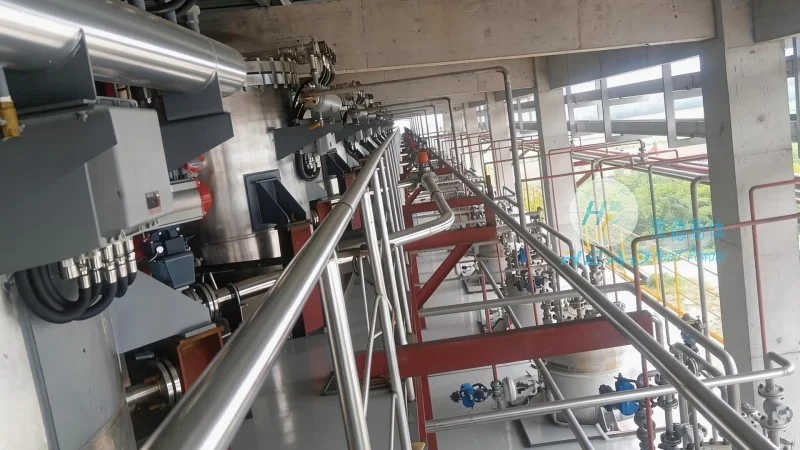
First, it provides a dust-free and enclosed transport process, which enhances workplace safety and reduces environmental contamination. Sodium carbonate is a fine powder that can create dust, and a pneumatic system confines this dust within the pipeline, minimizing exposure risks for workers.
Second, the system allows for flexible and space-saving material transport. Unlike large mechanical conveyors that require significant floor space and vertical clearance, pneumatic systems can be installed in compact areas and can transport material over longer distances with fewer components.
Third, it enables better process control and integration. The system's ability to regulate flow rates and pressure allows for precise control over the material's movement, which is crucial in applications where consistent material delivery is required, such as in chemical processing or manufacturing.
Fourth, it reduces maintenance and operational costs. Pneumatic systems have fewer moving parts compared to mechanical conveyors, leading to lower maintenance requirements and longer service intervals. Additionally, the enclosed design minimizes material loss and reduces the need for frequent cleaning, further reducing operational expenses.
Considerations for System Selection and Installation
When selecting and installing a sodium carbonate pneumatic conveying system, several factors must be considered to ensure optimal performance and longevity:
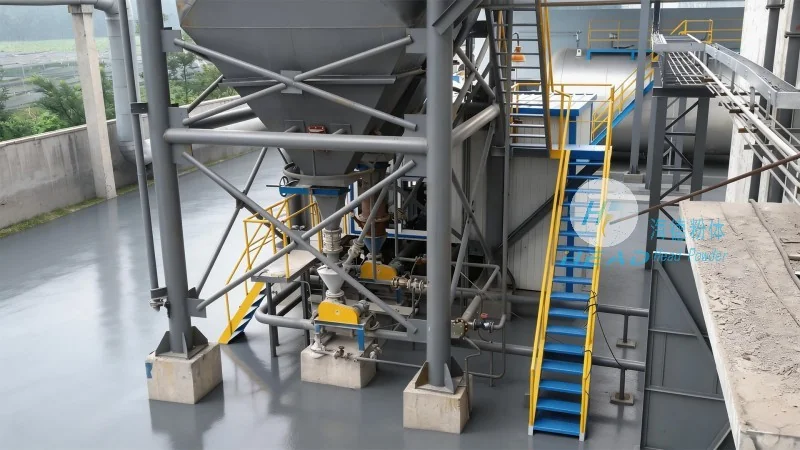
1. **Material Properties**: A thorough analysis of the sodium carbonate's physical and chemical properties is essential. This includes particle size, moisture content, and abrasiveness, as these factors directly impact the system's design and component selection.
2. **Application Requirements**: The specific needs of the application, such as the distance to be covered, the required flow rate, and the destination point, must be clearly defined. This information guides the selection of the appropriate conveying method (dilute-phase or dense-phase) and the sizing of the system components.
3. **System Integration**: The system must be integrated with existing infrastructure and processes without causing disruptions. This requires careful planning and coordination to ensure compatibility and smooth operation.
4. **Safety and Compliance**: The system must comply with relevant safety regulations and standards, particularly regarding dust control and material handling. Proper ventilation, dust collection, and emergency shutdown mechanisms are essential to ensure workplace safety.
5. **Maintenance and Support**: The availability of maintenance services and spare parts is important for long-term system reliability. Choosing a reputable manufacturer or supplier, such as Shandong HeadPowder Engineering Co., Ltd., based in China, can provide access to reliable support and high-quality components.
Conclusion
A sodium carbonate pneumatic conveying system is a sophisticated and efficient solution for transporting bulk materials in industrial settings. By understanding the design principles and key components, as well as the advantages and considerations involved, industries can select and implement a system that meets their specific needs. With proper design, installation, and maintenance, such a system can enhance operational efficiency, improve safety, and reduce costs, making it a valuable investment for any facility handling sodium carbonate.