

Principle of Sawdust and Wood Chip Pneumatic Conveying Equipment
HeadPowder, a leading manufacturer based in Shandong, China, specializes in the design and production of advanced pneumatic conveying systems tailored for handling sawdust and wood chips. These systems are engineered to efficiently transport bulk materials through a pressurized or vacuum environment, offering a reliable solution for various industrial applications. The fundamental principle behind such equipment lies in the use of air as the conveying medium, which enables the movement of particulate materials without the need for mechanical components like belts or buckets.
Core Components and Working Mechanism
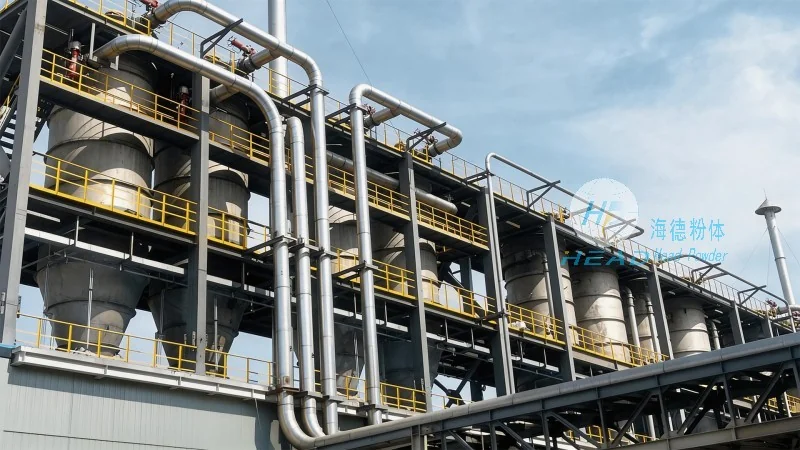
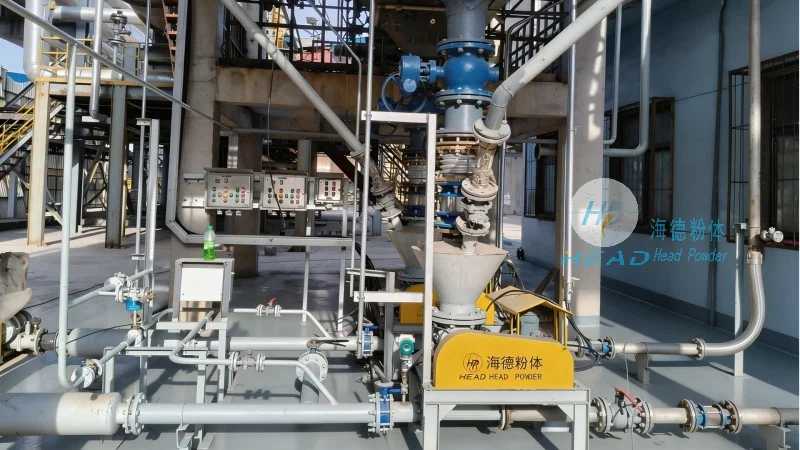
The pneumatic conveying system for sawdust and wood chips typically consists of several key components, each playing a crucial role in the overall operation. The primary elements include a material hopper, a conveyor line (either positive or negative pressure), a separator, and a discharge outlet. The material hopper is where the sawdust or wood chips are loaded, and it is equipped with a feeding mechanism to ensure a consistent flow of material into the system. The conveyor line, which can operate under positive pressure (where air is blown into the system to push the material) or negative pressure (where air is drawn out to pull the material), is the heart of the equipment. In positive pressure systems, a blower or compressor generates the necessary air pressure to move the material through the pipeline. Conversely, negative pressure systems use a vacuum pump to create a suction effect, drawing the material along the pipeline. The separator is an essential component that separates the conveying air from the material, ensuring that the material is discharged cleanly and the air is filtered or recycled. Finally, the discharge outlet allows the processed sawdust or wood chips to be collected in the desired location.
Advantages of Pneumatic Conveying for Sawdust and Wood Chips
Compared to traditional mechanical conveying methods, pneumatic conveying systems offer several advantages when handling sawdust and wood chips. Firstly, they provide a dust-free and hygienic environment, which is particularly important in applications where material contamination must be minimized, such as in the production of wood-based panels or in food processing industries. Secondly, these systems are highly efficient in terms of material transport, as they can handle large volumes of material over long distances with minimal energy consumption. The absence of moving parts in the conveying line reduces maintenance requirements and operational downtime, leading to lower overall costs. Additionally, pneumatic conveying systems are flexible and can be easily integrated into existing production lines, allowing for adjustments in material flow rates and transport distances as needed. The ability to handle abrasive materials like sawdust without causing wear and tear on the equipment further enhances their durability and longevity.
Applications and Industrial Use Cases
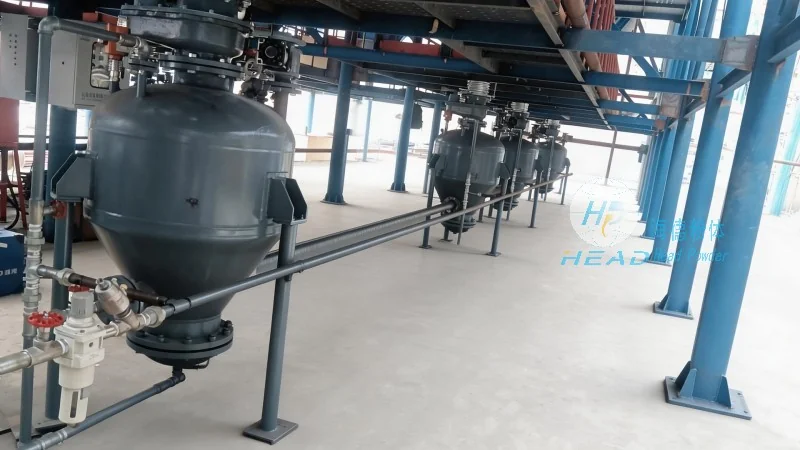
The versatility of sawdust and wood chip pneumatic conveying equipment makes it suitable for a wide range of industrial applications. In the wood processing industry, these systems are commonly used to transport sawdust from the cutting and milling stages to the drying or pelletizing units. This ensures a continuous and efficient supply of raw material for downstream processes. In the manufacturing of wood-based panels, such as particleboard or MDF, pneumatic conveying systems are employed to move wood chips from storage to the mixing and pressing stages, maintaining consistent material quality and reducing the risk of contamination. Additionally, in the agricultural and biomass energy sectors, these systems are utilized to transport sawdust and wood chips to biomass boilers or biofuel production facilities, contributing to sustainable energy generation. The ability to handle both dry and slightly moist materials makes the equipment adaptable to various processing conditions, further expanding its industrial applications.
Technical Specifications and Customization Options
HeadPowder offers a range of pneumatic conveying systems with customizable specifications to meet the specific needs of different industries. The systems can be designed to operate under positive or negative pressure, with pressure levels ranging from low to high, depending on the distance and material characteristics. The pipeline diameter and length can be adjusted to accommodate different material flow rates and transport distances. The material hopper and feeding mechanisms are available in various sizes and configurations, ensuring compatibility with existing storage and processing equipment. The separator units can be equipped with different filtration systems, such as cyclones or bag filters, to meet specific air quality requirements. Additionally, the equipment can be integrated with control systems that allow for automated operation and monitoring of the conveying process. This customization ensures that the systems are optimized for the specific material properties, operational conditions, and production requirements of each client.
Maintenance and Operational Considerations
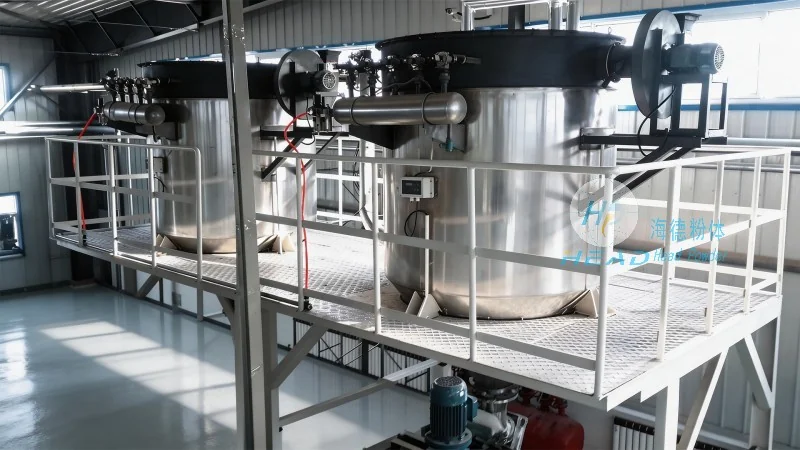
Proper maintenance is crucial to ensure the efficient and long-term operation of sawdust and wood chip pneumatic conveying equipment. Regular inspection of the conveyor line for blockages or wear is essential to prevent system failures. The blower or vacuum pump should be checked regularly for proper operation and maintenance, as any issues with the air supply can impact the conveying efficiency. The separator and filtration systems should be cleaned or replaced as needed to maintain air quality and prevent material buildup. Additionally, the material hopper and feeding mechanisms should be inspected for any signs of wear or damage, as they are critical components for consistent material flow. HeadPowder provides comprehensive maintenance services and technical support to ensure that the equipment operates at peak performance. By following the recommended maintenance procedures and using high-quality replacement parts, the lifespan of the equipment can be extended, and operational costs can be minimized.