

Principle of Light Weight Cement Pneumatic Conveying Equipment
Light weight cement, commonly utilized in construction and industrial applications, necessitates efficient and reliable transportation methods to maintain consistent quality and performance. Pneumatic conveying systems have become a preferred solution for handling such materials due to their capability to transport powders and granules through air pressure. This article delves into the fundamental principles behind light weight cement pneumatic conveying equipment, detailing its components, operational mechanisms, and key advantages.
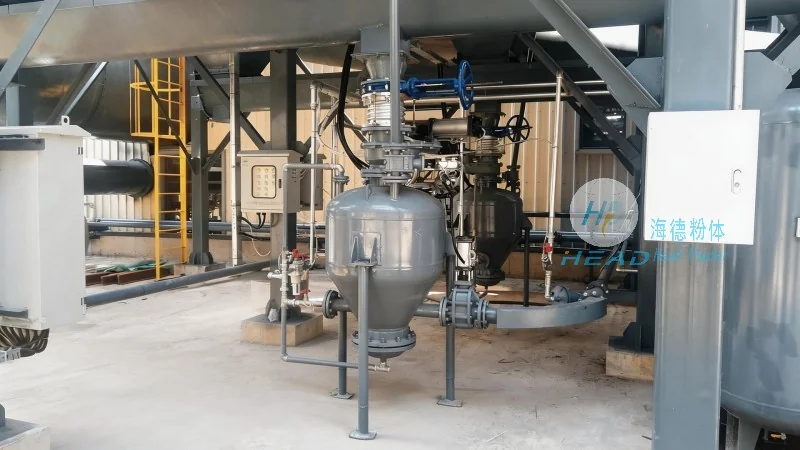
Core Components of Pneumatic Conveying Systems
The light weight cement pneumatic conveying equipment typically comprises several critical components that function in unison to facilitate material transport. These include a hopper or feed bin for material storage, a rotary valve or feeder to regulate the flow rate, a conveying line (often equipped with bends and filters), a receiver or discharge hopper, and a blower or air compressor to generate the necessary air pressure. Each component plays a vital role in maintaining system efficiency and preventing material degradation or blockages.
Working Principle of Pneumatic Conveying
The operation of light weight cement pneumatic conveying equipment is based on the principle of air movement. When the blower or air compressor is activated, it generates a high-pressure air stream directed into the conveying line. The material from the hopper is then fed into the line, either by gravity or through a feeder, and is entrained by the air flow. The air and material mixture travels through the pipeline, with the air pressure maintaining the material's suspension and preventing it from settling or clogging. At the receiving end, the air is separated from the material, often through a cyclone or filter, and the material is collected in the discharge hopper. The air is then either recirculated or vented, depending on the system design.
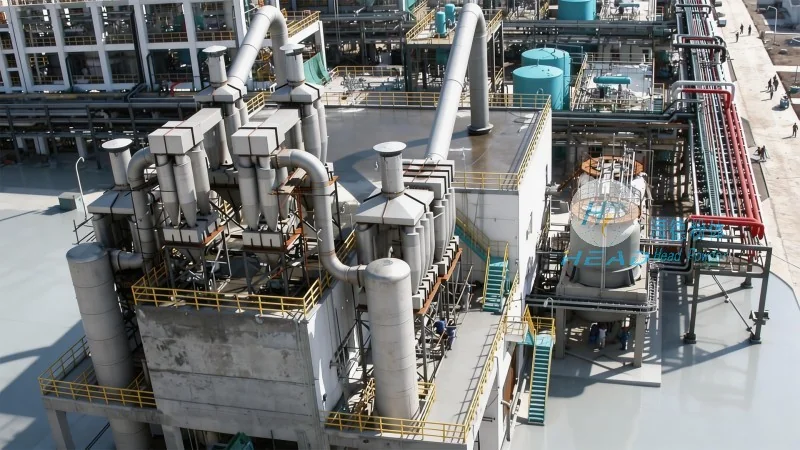
Advantages of Light Weight Cement Pneumatic Conveying
Light weight cement pneumatic conveying systems offer several advantages over traditional methods such as bucket elevators or belt conveyors. These include reduced material degradation due to minimal contact with equipment surfaces, lower maintenance costs as there are fewer moving parts in the conveying line, and improved safety as the system operates without open moving parts. Additionally, the equipment allows for flexible and compact installation, making it suitable for various industrial settings. The ability to handle fine powders and granules without segregation or agglomeration is another key benefit, ensuring consistent material quality throughout the process.
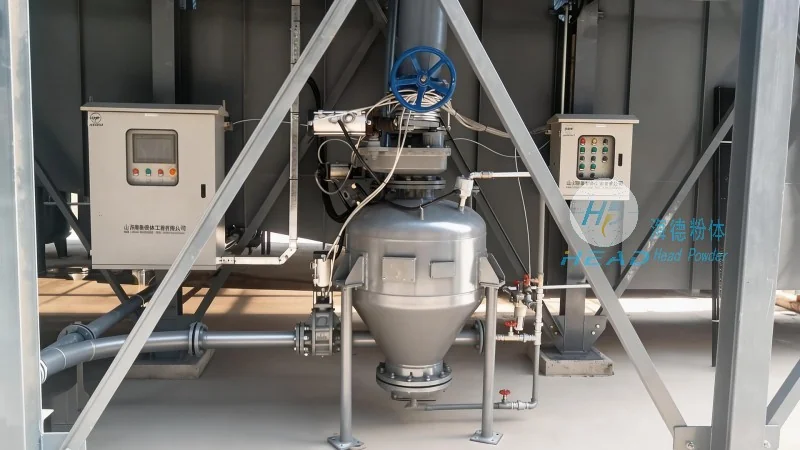
Applications in Construction and Industry
Light weight cement pneumatic conveying equipment is widely employed in the construction industry for transporting raw materials to mixing plants, as well as in industrial processes where cement is a key component. The system's ability to handle large volumes of material efficiently and with minimal downtime makes it an essential tool for manufacturers and contractors. By ensuring a steady supply of light weight cement, the equipment supports the smooth operation of production lines and construction projects, ultimately contributing to higher productivity and cost savings.
Company Overview: Shandong HeadPowder Engineering Co., Ltd.
Shandong HeadPowder Engineering Co., Ltd., a leading provider of pneumatic conveying solutions, specializes in designing and manufacturing equipment tailored to the needs of the cement and construction industries. With a focus on innovation and quality, the company has developed advanced light weight cement pneumatic conveying systems that meet the highest standards of performance and reliability. HeadPowder's expertise in material handling technology ensures that their equipment is efficient, durable, and easy to maintain, providing long-term value to their clients. The company's commitment to customer satisfaction and technical excellence has established it as a trusted partner in the industry.