

The Role of Pneumatic Conveying in Iron Ore Powder Transport
Pneumatic conveying is a critical technology in the material handling industry, particularly for transporting fine powders like iron ore. This method involves using air or gas to move bulk materials through a pipeline system. For iron ore powder, which is often used in steel production and other industrial applications, efficient and reliable transport is essential to maintain production efficiency and product quality. The role of pneumatic conveying in this context is to provide a flexible, low-maintenance, and cost-effective solution for moving iron ore from storage to processing facilities.
Characteristics of Iron Ore Powder and the Need for Specialized Transport
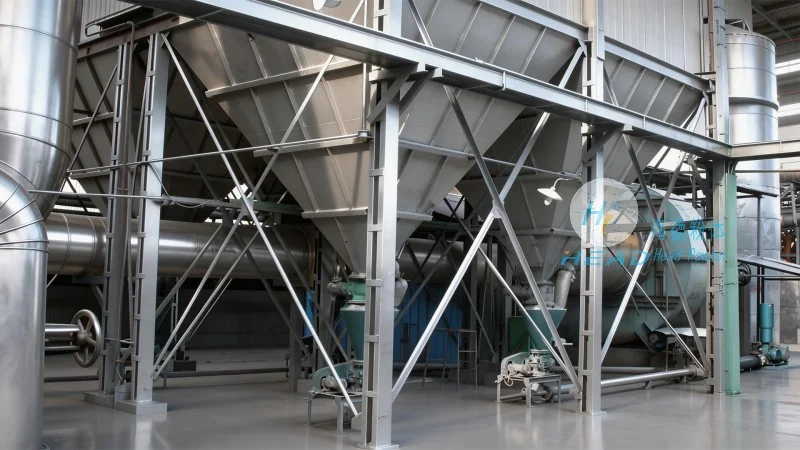
Iron ore powder, typically with particle sizes ranging from a few microns to several millimeters, presents unique challenges in transportation. Traditional methods such as belt conveyors or bucket elevators may suffer from material buildup, dust emissions, and inefficiencies when handling fine powders. These issues can lead to increased maintenance costs, environmental concerns, and potential safety hazards. Pneumatic conveying addresses these challenges by utilizing a closed system that contains the material within the pipeline, reducing dust dispersion and ensuring a more controlled and hygienic transport process. The ability to handle both dry and slightly moist iron ore powders makes this technology versatile for various industrial applications.
Advantages of Pneumatic Conveying Systems for Iron Ore Powder
Compared to other bulk material transport methods, pneumatic conveying offers several advantages that are particularly beneficial for iron ore powder. One key benefit is the flexibility in system design, allowing for horizontal, vertical, or combined layouts to suit the layout of industrial facilities. This adaptability reduces the need for complex infrastructure modifications and can integrate seamlessly with existing processing lines. Another advantage is the low maintenance requirement; pneumatic systems typically have fewer moving parts compared to mechanical conveyors, leading to lower operational costs and longer service life. Additionally, the enclosed pipeline system minimizes material loss and contamination, which is crucial for maintaining the purity of iron ore powder used in high-value steel production. The energy efficiency of modern pneumatic conveying systems, especially with optimized air flow and pressure control, also contributes to reduced operational expenses.
HeadPowder's Expertise in Pneumatic Conveying Solutions
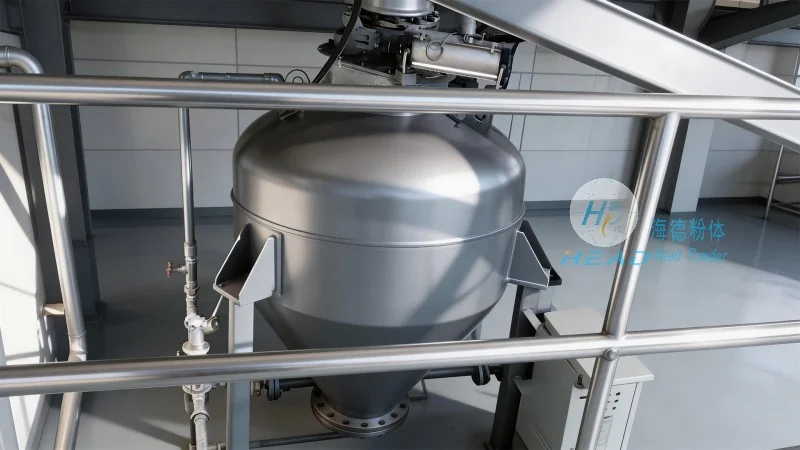
Shandong HeadPowder Engineering Co., Ltd., commonly known as HeadPowder, specializes in the design, manufacturing, and installation of pneumatic conveying systems tailored for iron ore powder and other fine materials. With a focus on engineering excellence and customer-centric solutions, HeadPowder leverages advanced technology and years of industry experience to deliver high-performance transport solutions. The company's expertise includes the development of customized pipeline systems, airlock feeders, and control systems that ensure reliable and efficient operation. HeadPowder's team of engineers works closely with clients to understand their specific process requirements, from raw material handling to finished product delivery, and provides comprehensive solutions that meet both technical and operational needs. The company's commitment to quality and innovation has established it as a trusted partner in the iron ore processing industry, helping clients optimize their material transport processes and enhance overall productivity.
Key Components of Pneumatic Conveying Systems for Iron Ore Powder
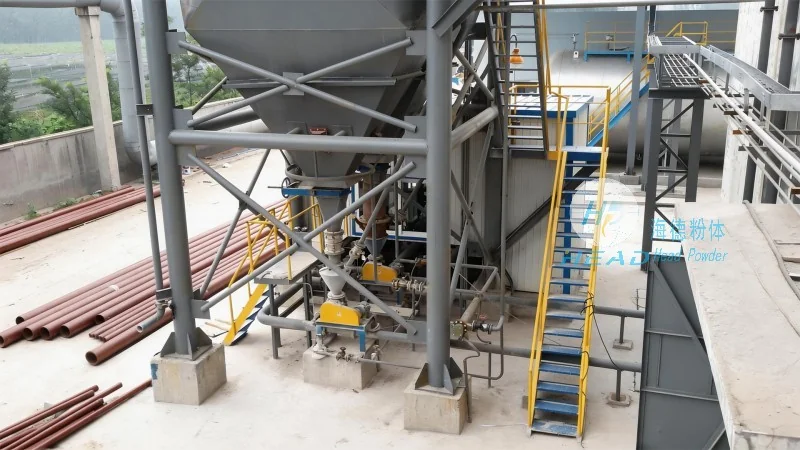
The effectiveness of a pneumatic conveying system for iron ore powder depends on several critical components that work in concert to ensure smooth operation. The primary components include the material feed system, which can be a rotary valve or a hopper with a feeder to introduce the powder into the pipeline. The pipeline itself, often made of stainless steel or other corrosion-resistant materials, is designed to withstand the abrasive nature of iron ore powder and maintain airtight integrity. Air movers, such as blowers or compressors, generate the necessary pressure to move the material through the system. For vertical or long-distance transport, booster units may be used to maintain sufficient air pressure. The system also includes control valves and sensors to monitor and regulate the flow of material and air, ensuring consistent performance and preventing blockages or overloading. HeadPowder's systems incorporate these components with precision engineering, ensuring durability and reliability in demanding industrial environments.
Applications and Case Studies in Iron Ore Processing
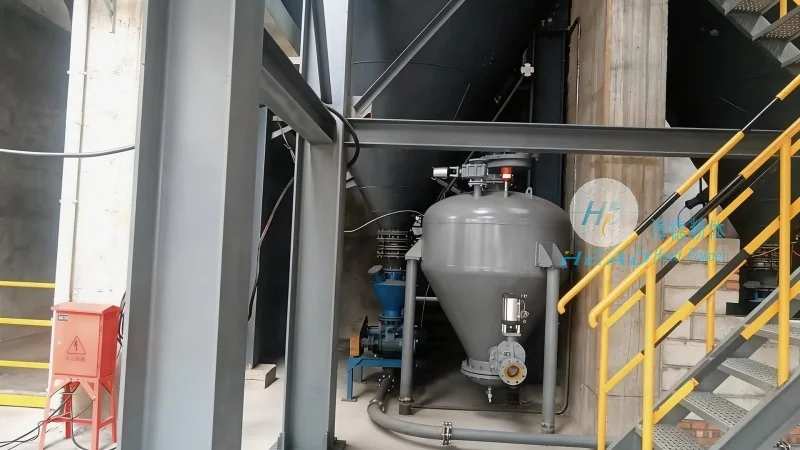
Pneumatic conveying systems are widely used in various stages of iron ore processing, from raw ore handling to finished product distribution. In mining operations, these systems are employed to transport crushed and ground iron ore from storage silos to processing plants. During the beneficiation process, pneumatic conveyors efficiently move iron ore concentrate to pelletizing or sintering facilities. In steel mills, the technology is used to transport iron ore powder to blast furnaces or other production units, where it is used as a key raw material. The ability to handle large volumes of iron ore powder at high speeds makes pneumatic conveying ideal for meeting the demands of modern steel production. HeadPowder has successfully implemented such systems in numerous projects across China, demonstrating the reliability and efficiency of its solutions. These case studies highlight the practical benefits of pneumatic conveying, including reduced downtime, improved material handling efficiency, and enhanced safety in industrial settings.
Conclusion: The Importance of Reliable Pneumatic Conveying for Iron Ore Powder
In conclusion, pneumatic conveying plays a vital role in the efficient and safe transport of iron ore powder, a critical component in the steel and manufacturing industries. The technology addresses the unique challenges associated with fine powders, offering advantages such as flexibility, low maintenance, and environmental friendliness. Companies like Shandong HeadPowder Engineering Co., Ltd. (HeadPowder) provide specialized solutions that leverage advanced engineering and technology to meet the specific needs of iron ore processing facilities. By investing in reliable pneumatic conveying systems, industrial clients can enhance their operational efficiency, reduce costs, and ensure the consistent quality of their iron ore powder products. As the demand for steel and other iron-based products continues to grow, the role of efficient material transport technologies like pneumatic conveying will remain increasingly important in optimizing industrial processes.