

Design of a Negative Pressure Pneumatic Conveying System for Potash Fertilizer
Shandong HeadPowder Engineering Co., Ltd., a leading engineering firm based in Shandong, China, specializes in the design and implementation of advanced material handling solutions. The company, often referred to as HeadPowder, focuses on delivering efficient and reliable systems for the fertilizer industry, particularly for the transportation of bulk materials like potash. This article explores the design principles and key features of a negative pressure pneumatic conveying system specifically tailored for potash fertilizer applications.
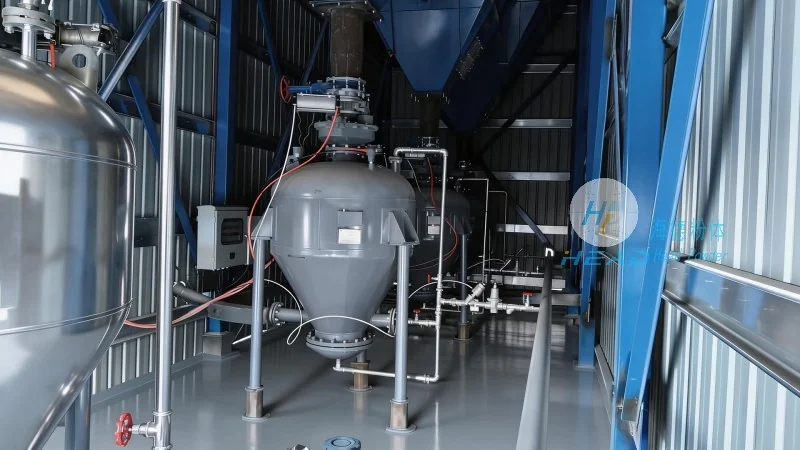
Understanding Negative Pressure Pneumatic Conveying
Negative pressure pneumatic conveying systems operate by creating a vacuum or reduced pressure in the conveying line to draw material from the source to the destination. This method is highly effective for transporting fine or powdery materials such as potash, which are prone to dust and require controlled handling to prevent environmental contamination and ensure product integrity. The system typically consists of a fan or blower that generates the vacuum, a hopper or feeder to introduce the material, and a pipeline network that transports the material to the discharge point. Compared to positive pressure systems, negative pressure systems offer advantages such as lower energy consumption, reduced risk of material leakage, and better control over dust emissions.
Key Design Considerations for Potash Fertilizer
When designing a negative pressure pneumatic conveying system for potash fertilizer, several critical factors must be considered to ensure optimal performance and durability. First, the material's physical properties, including particle size distribution, moisture content, and flowability, are crucial. Potash fertilizer often has a wide range of particle sizes, which can affect the system's efficiency and require specialized equipment to handle. The system must be designed to handle these variations without clogging or loss of material. Second, the system's capacity and throughput are determined by the required production rate and the distance between the source and destination. HeadPowder engineers carefully calculate the necessary air volume and pressure to achieve the desired conveying rate while minimizing energy costs. Third, material handling equipment, such as hoppers and feeders, must be constructed from corrosion-resistant materials to withstand the chemical properties of potash, which can be aggressive and cause wear over time. The company uses high-quality stainless steel or specialized alloys to ensure long-term reliability.
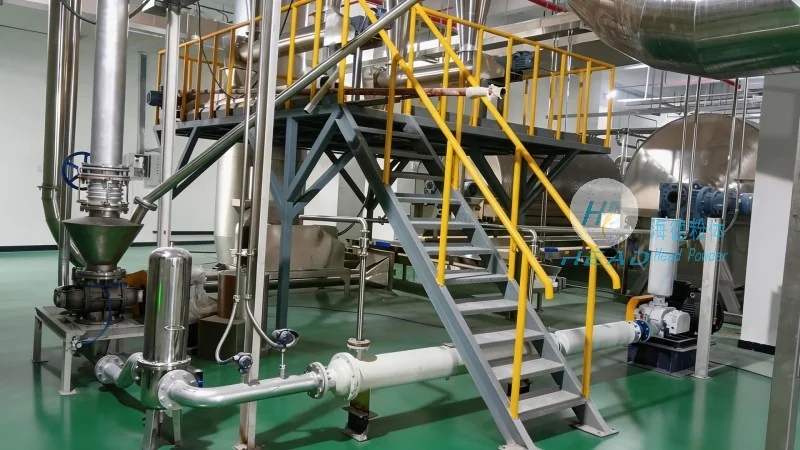
System Components and Their Functionality
The negative pressure pneumatic conveying system for potash fertilizer includes several key components, each playing a vital role in the overall operation. The primary component is the vacuum fan, which generates the necessary suction force to draw material through the pipeline. The fan is typically a centrifugal type, designed to operate efficiently at low pressures and high volumes. The hopper or feeder is responsible for storing and feeding the potash into the system. It is equipped with a rotary valve or screw feeder to control the material flow rate and prevent blockages. The pipeline network consists of flexible or rigid ducts, depending on the application, and is designed to minimize pressure drop and maintain the vacuum level. The system also includes a filter or dust collector at the discharge end to capture any fine particles and prevent dust emissions. This component is essential for maintaining air quality and complying with environmental regulations.
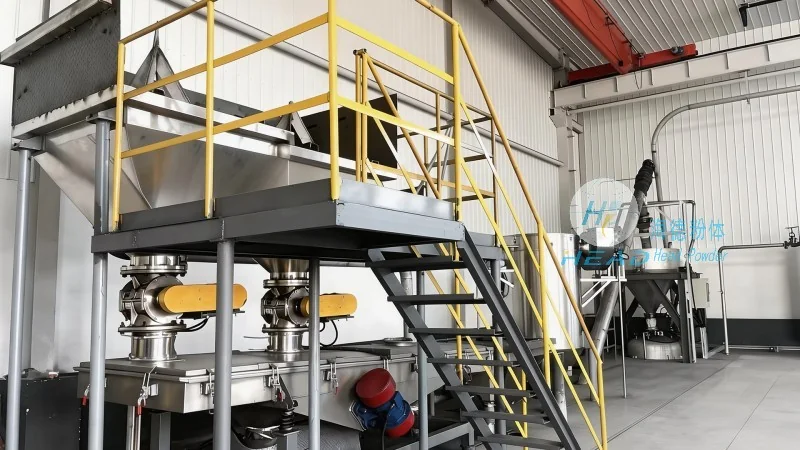
Advantages of the Negative Pressure System for Potash
Implementing a negative pressure pneumatic conveying system for potash fertilizer offers several advantages over traditional methods. First, it provides a dust-free and enclosed transportation process, which enhances safety and reduces environmental impact. The system prevents the release of fine particles into the air, protecting both workers and the surrounding environment. Second, it offers high efficiency in material handling, with the ability to transport large quantities of potash over long distances with minimal labor. The system's compact design also saves space in industrial facilities, making it suitable for both new and existing plants. Third, the negative pressure system is more energy-efficient compared to positive pressure systems, as it requires less power to maintain the vacuum. This results in lower operational costs and reduced carbon footprint. Additionally, the system's flexibility allows for easy integration with existing production lines and can be scaled up or down to meet changing production demands.
Customization and After-Sales Support from HeadPowder
HeadPowder Engineering Co., Ltd. provides customized solutions tailored to the specific needs of each client. The company works closely with customers to understand their production requirements, material characteristics, and operational constraints. Based on this information, engineers design a system that maximizes efficiency and minimizes downtime. After the system is installed, HeadPowder offers comprehensive after-sales support, including maintenance services, spare parts supply, and technical assistance. The company's team of experienced engineers is available to address any issues that may arise and provide ongoing support to ensure the system operates at peak performance. This commitment to customer satisfaction has made HeadPowder a trusted partner in the fertilizer industry, with a reputation for delivering high-quality, reliable material handling solutions.