

Design of a Negative Pressure Pneumatic Conveying System for Aluminum Chips
HeadPowder Engineering Co., Ltd., a leading manufacturer based in Shandong, China, specializes in the design and production of advanced material handling equipment. This article focuses on the design of a negative pressure pneumatic conveying system specifically tailored for aluminum chips, highlighting the technical aspects, operational principles, and practical applications of such a system.
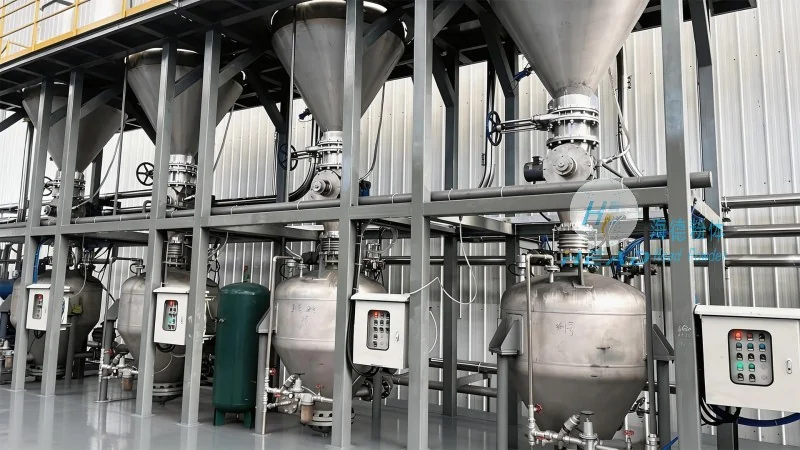
Overview of the Negative Pressure Pneumatic Conveying System
The negative pressure pneumatic conveying system is an efficient method for transporting bulk materials like aluminum chips over moderate distances. Unlike positive pressure systems that push material through a pipeline, negative pressure systems create a vacuum at the receiving end, drawing material from the source into the conveying line. This approach offers several advantages, including lower energy consumption, reduced material degradation, and improved safety by minimizing dust exposure.
Key Components of the System
The design of the aluminum chip conveying system involves several critical components, each playing a vital role in the overall operation. The main components include a material hopper, a rotary airlock feeder, a vacuum pump, a filter system, and a receiving hopper. The material hopper stores the aluminum chips and provides a consistent feed to the feeder. The rotary airlock feeder ensures a controlled and continuous flow of material into the conveying line, preventing backflow and maintaining system pressure. The vacuum pump generates the negative pressure required to draw the material through the pipeline. The filter system captures any fine particles or dust, ensuring clean air discharge and protecting the pump from contamination. The receiving hopper collects the aluminum chips at the destination, allowing for easy unloading and storage.
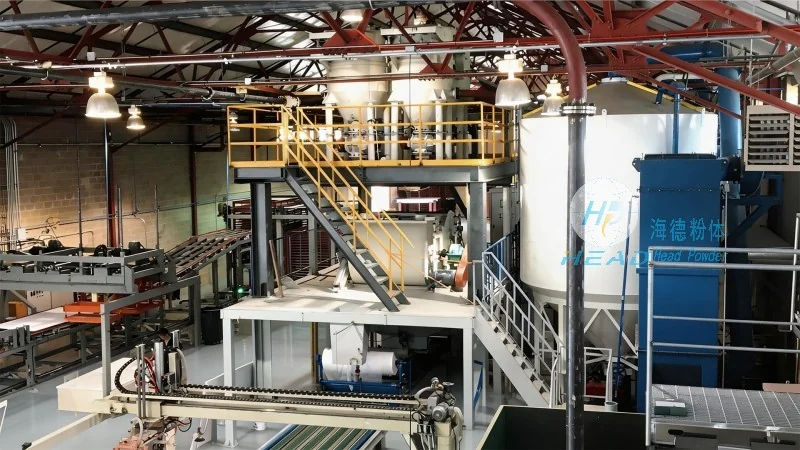
Technical Specifications and Performance Parameters
The negative pressure pneumatic conveying system for aluminum chips is engineered to meet specific performance requirements. The system is designed to handle a material flow rate ranging from 0.5 to 5 tons per hour, depending on the application. The conveying distance can vary from 50 to 200 meters, with the ability to transport materials through multiple bends and changes in elevation. The system operates at a pressure range of -0.5 to -1.5 bar, ensuring efficient material transport while maintaining low energy consumption. The air velocity within the pipeline is maintained at approximately 15 to 20 m/s, which is sufficient to prevent material settling and ensure smooth flow. The system is also equipped with pressure sensors and alarms to monitor system performance and detect any issues such as blockages or pressure drops.
Advantages of the System for Aluminum Chip Handling
Implementing a negative pressure pneumatic conveying system for aluminum chips offers numerous benefits for industrial operations. The system provides a clean and dust-free environment, reducing the risk of contamination and improving product quality. The low energy consumption and minimal maintenance requirements make it an economical choice for long-term material handling. The system's ability to handle abrasive materials like aluminum chips without causing wear and tear on components extends the lifespan of the equipment. Additionally, the negative pressure design minimizes the risk of fire hazards, as there is no ignition source in the conveying line. The system also allows for flexible installation, as it can be adapted to existing facilities or new plant layouts.
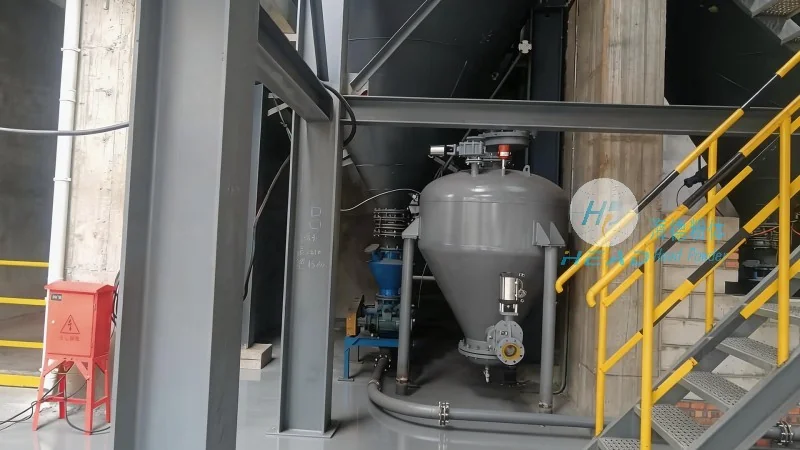
Application Examples and Case Studies
The negative pressure pneumatic conveying system has been successfully applied in various industrial settings, including aluminum processing plants, foundries, and recycling facilities. For instance, a foundry in Shandong, China, implemented the system to transport aluminum chips from the production line to the melting furnace. The system reduced the manual handling of chips by 80%, improving worker safety and increasing production efficiency. Another application was in an aluminum recycling plant, where the system was used to convey shredded aluminum from the sorting area to the shredding machine. The system's ability to handle fine particles and maintain a consistent flow rate ensured high recycling rates and reduced downtime. These case studies demonstrate the effectiveness and reliability of the negative pressure pneumatic conveying system for aluminum chip handling.
Conclusion
In conclusion, the negative pressure pneumatic conveying system designed by HeadPowder Engineering Co., Ltd. is a highly efficient and reliable solution for transporting aluminum chips. The system's design incorporates advanced components and technical specifications that ensure optimal performance, low maintenance, and long-term durability. By implementing this system, industrial operations can improve material handling efficiency, enhance worker safety, and reduce operational costs. HeadPowder Engineering Co., Ltd. continues to innovate and provide customized solutions to meet the evolving needs of the aluminum industry, ensuring sustainable and effective material handling practices.