

How to Choose the Right Pneumatic Conveying System for Your Calcium Oxide Handling Process?
When it comes to handling calcium oxide (CaO), commonly known as quicklime, in industrial processes, choosing the right pneumatic conveying system is crucial for efficiency, safety, and cost-effectiveness. The selection process involves careful consideration of several factors, including material properties, process requirements, and operational conditions. This guide aims to provide insights into the key considerations and steps to ensure the optimal choice of a pneumatic conveying system for your calcium oxide handling operations.
Key Factors Influencing Pneumatic Conveying System Selection
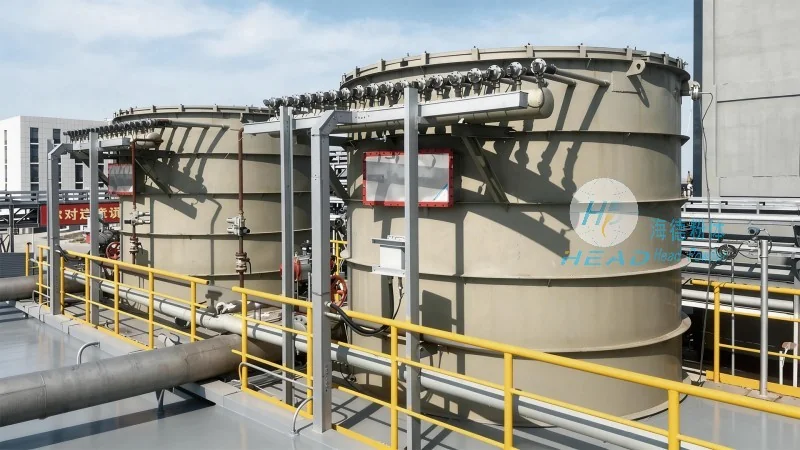
The first step in selecting a pneumatic conveying system for calcium oxide is to understand the material's characteristics. Calcium oxide is a fine, dry powder with specific properties that affect how it behaves during transport. Its density, particle size distribution, and flowability are critical parameters. For instance, if the calcium oxide has a high moisture content or is prone to clumping, this can impact the system's design and components. Additionally, the required conveying distance and throughput rate will determine the system's capacity and pressure requirements. These factors collectively influence the choice between different types of pneumatic conveying systems, such as pressure, vacuum, or mixed systems.
Types of Pneumatic Conveying Systems for Calcium Oxide
There are primarily two types of pneumatic conveying systems: pressure and vacuum systems. Pressure systems use compressed air to push the material through the pipeline, while vacuum systems use suction to draw the material. For calcium oxide handling, pressure systems are often preferred due to their ability to handle high volumes and long distances efficiently. However, vacuum systems may be suitable for short-distance transport or when the material needs to be conveyed from multiple sources. The selection between these types depends on the specific application and operational constraints. For example, if the calcium oxide is to be transported over long distances or at high throughput rates, a pressure system with a positive displacement blower or rotary lobe pump might be the best choice. Conversely, for shorter distances or when the material is to be collected from various points, a vacuum system with a centrifugal fan could be more appropriate.
Components and Design Considerations
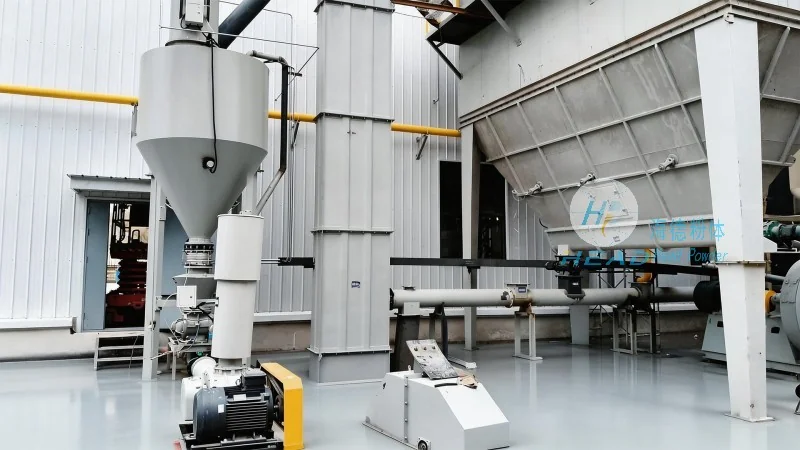
Regardless of the system type, several key components and design aspects are essential for reliable calcium oxide transport. The system typically includes a hopper or feeder to feed the material into the pipeline, a conveying line (usually made of stainless steel to prevent corrosion), a control valve or regulator to manage the air flow, and a receiver or discharge point where the material is deposited. The hopper design is critical to prevent material bridging or caking, which can disrupt the flow. For calcium oxide, which can be hygroscopic and prone to moisture absorption, the hopper and conveying line should be equipped with heating elements or moisture barriers to maintain material quality. The choice of air compressor or fan is also vital; for pressure systems, a positive displacement blower provides consistent pressure, while for vacuum systems, a high-efficiency centrifugal fan is preferred. Additionally, the system should include filters and cyclones to separate the material from the air, ensuring clean air discharge and preventing dust accumulation in the system.
Material Handling Challenges and Solutions
Handling calcium oxide presents unique challenges due to its chemical properties. For instance, calcium oxide reacts with moisture to form calcium hydroxide, releasing heat and potentially causing caking. This requires the system to be designed with moisture control measures, such as drying the material before transport or using sealed containers. Another challenge is the material's tendency to form dust, which can cause respiratory issues and equipment wear. Proper dust control measures, including filtration and enclosure, are necessary to ensure safe operation. The system should also be designed to handle variations in material flow, such as changes in particle size or moisture content, to maintain consistent performance. This may involve using adjustable feeders or variable speed drives to regulate the material flow rate.
Case Study: Application of Pneumatic Conveying by Shandong HeadPowder Engineering Co., Ltd.
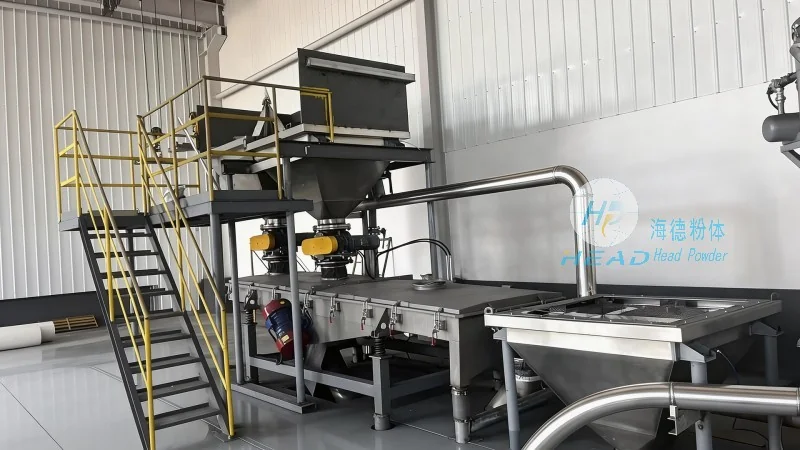
Shandong HeadPowder Engineering Co., Ltd., a leading provider of material handling solutions, has extensive experience in designing and implementing pneumatic conveying systems for calcium oxide applications. The company specializes in customizing systems to meet specific client needs, ensuring optimal performance and reliability. For example, a client in the cement industry required a pressure pneumatic conveying system to transport calcium oxide from storage silos to the production line over a distance of 500 meters. The system was designed with a positive displacement blower, stainless steel pipelines, and a heated hopper to prevent moisture absorption. The system successfully handled the high throughput rate and long distance, reducing material handling costs and improving operational efficiency. This case study highlights the importance of tailored solutions in achieving effective calcium oxide transport.
Conclusion and Recommendations
Selecting the right pneumatic conveying system for calcium oxide handling requires a comprehensive approach that considers material properties, process requirements, and operational constraints. By evaluating factors such as material characteristics, conveying distance, and throughput rate, and choosing the appropriate system type and components, you can ensure efficient and safe transport of calcium oxide. It is recommended to consult with experienced engineers, like those at Shandong HeadPowder Engineering Co., Ltd., who can provide expert guidance and customized solutions tailored to your specific needs. With the right system in place, you can enhance productivity, reduce costs, and ensure compliance with safety regulations in your calcium oxide handling operations.