

Introduction to Glass Bead Powder Handling and Structural Principles
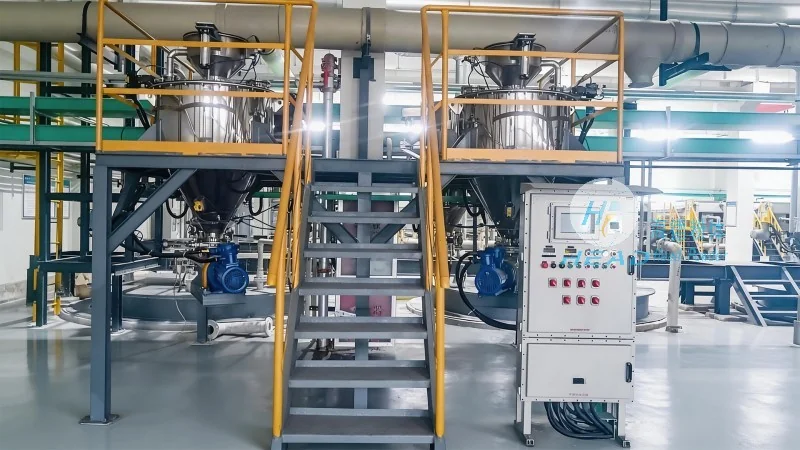
Shandong HeadPowder Engineering Co., Ltd., commonly known as HeadPowder, specializes in the efficient handling of glass bead powders. Our company focuses on developing systems that address the unique challenges of processing these fine, abrasive particles. Glass beads are widely used in industries such as coatings, plastics, and ceramics, and their reliable transport is critical to maintaining product quality and operational efficiency. This article provides an overview of the key principles of glass bead powder handling, detailing the structural components and design considerations that ensure effective performance.
Key Characteristics of Glass Bead Powders
Glass beads are spherical particles with a smooth surface and high hardness, typically ranging from 0.1 to 5 millimeters in diameter. Their density and size distribution influence behavior in handling systems. Smaller beads may exhibit higher flow resistance, while larger beads can cause wear on equipment. Understanding these characteristics is essential for selecting appropriate handling equipment and designing transport pathways. At HeadPowder, we analyze the specific properties of each glass bead formulation to tailor solutions to client needs.
Structural Principles of Powder Handling Systems
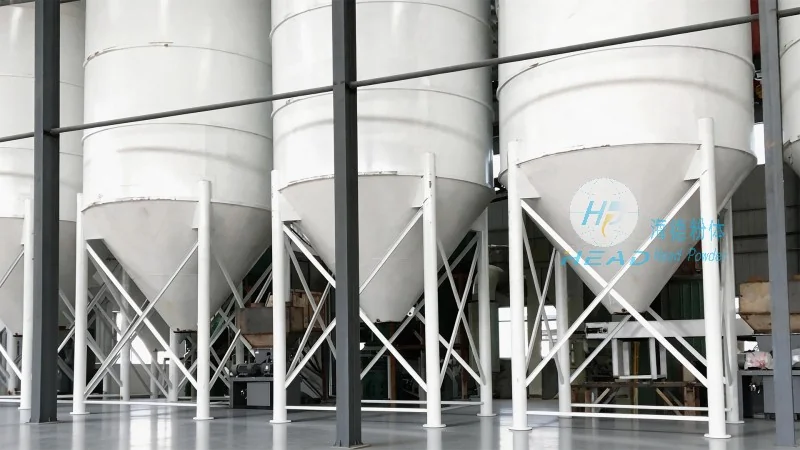
The structural design of glass bead powder handling systems is built on core principles for durability, efficiency, and safety. First, robust material selection is critical, as glass beads cause significant wear on metal surfaces. Our systems incorporate wear-resistant components like stainless steel or special alloys to minimize degradation. Second, proper sealing and containment are essential to prevent dust emissions and maintain product purity. Advanced sealing mechanisms, including double-flanged connections and air-tight housings, are integrated to comply with environmental and safety standards.
Mechanical and Pneumatic Transport Solutions
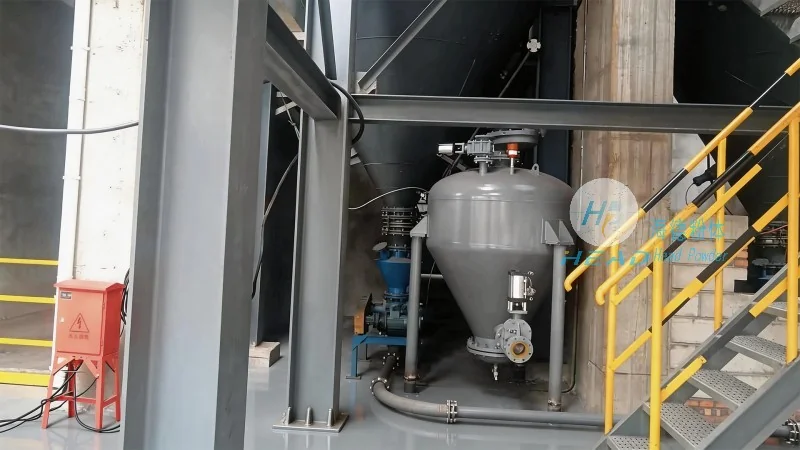
HeadPowder offers mechanical and pneumatic transport solutions tailored to glass bead handling demands. Mechanical systems, such as screw conveyors and belt conveyors, are used for horizontal or slight incline transport due to simplicity and reliability. These are effective for larger bead sizes or continuous flow. For vertical or long-distance transport, pneumatic conveying systems are preferred. These use air pressure to move glass beads through pipelines, offering advantages like reduced wear and fine powder handling without additional equipment. Our engineers design systems with precise control over air flow and particle velocity to optimize efficiency and energy use.
Control and Automation in Glass Bead Handling
Modern glass bead handling systems rely on advanced control and automation for consistent performance and safety. Sensors and monitoring devices track flow rate, pressure, and temperature. Automated control systems, including PLCs and HMIs, adjust equipment settings in real-time to prevent overloading or failures. At HeadPowder, we implement these technologies to provide operators with system visibility and enable remote monitoring. This enhances productivity while reducing human error. Our systems can also integrate with existing production lines for seamless operation.
Case Studies and Real-World Applications
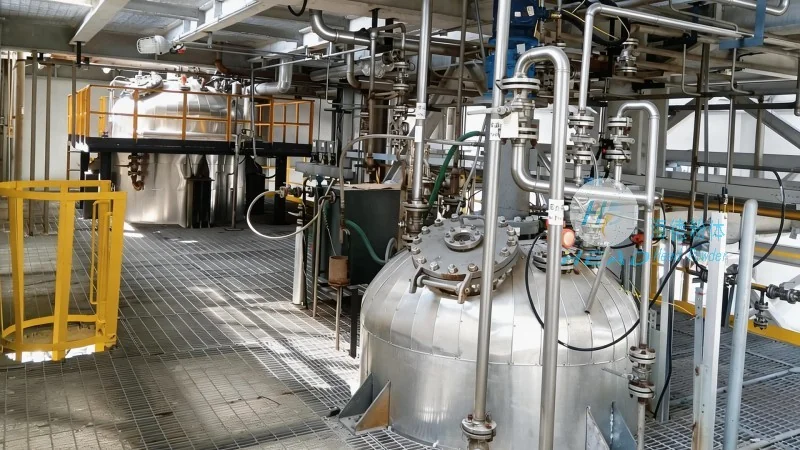
HeadPowder has successfully implemented glass bead handling solutions for clients across industries. For example, in the coatings industry, a client needed a system to transport fine glass beads for a high-performance paint formulation. Our pneumatic conveying system with wear-resistant pipelines and automated control increased production efficiency by 20% and reduced material waste. In the plastics industry, another client required a mechanical conveyor for larger glass beads in composite materials. Our custom screw conveyor, equipped with a dust collection system, ensured clean and efficient transport while maintaining product quality. These case studies demonstrate how our structural principles and engineering expertise deliver tangible benefits.