

Introduction to Pulse Powder Conveying Systems: Structure and Working Principles
Shandong HeadPowder Engineering Co., Ltd., commonly known as headpowder, is a professional manufacturer and supplier specializing in powder conveying solutions. With a focus on innovation and precision engineering, the company has established itself as a leading provider in the industry. Headquartered in Shandong, China, headpowder leverages its extensive experience and advanced technology to deliver high-performance powder handling systems tailored to diverse industrial applications.
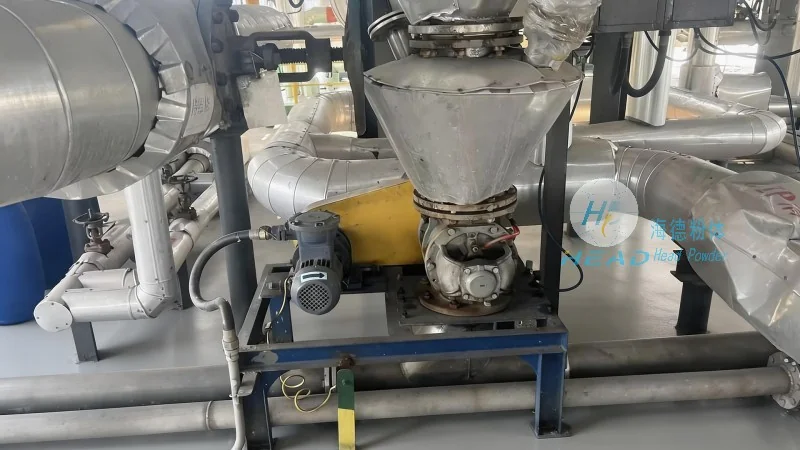
Pulse Powder Conveying System: An Overview
Pulse powder conveying systems represent a sophisticated approach to transporting bulk powders over long distances or through complex piping networks. Unlike traditional continuous conveying methods, these systems utilize intermittent or pulse-like pressure waves to move material, offering enhanced efficiency and control. The technology is particularly valuable in industries where precise material flow, minimal product degradation, and energy optimization are critical. By understanding the core components and operational principles, users can appreciate how this system addresses the unique challenges of powder handling.
System Structure and Key Components
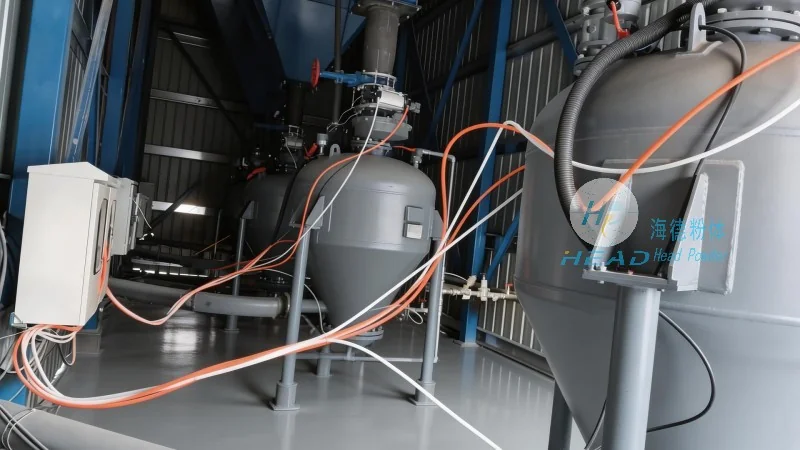
The pulse powder conveying system consists of several integral parts that work in concert to achieve effective material transport. The primary components include a hopper or feeder for material storage and initial feeding, a pulse generator or control unit that regulates the pressure pulses, a conveying pipeline that transports the powder, and a receiver or discharge unit for material collection. Each component is designed to ensure seamless operation and reliability. The hopper is typically equipped with a feeding mechanism, such as a rotary valve or screw feeder, to control the flow rate of the powder into the system. The pulse generator, often an air compressor or electrically driven device, creates the necessary pressure surges that propel the material through the pipeline. The conveying pipeline itself is constructed from materials resistant to the specific powder being handled, such as stainless steel or plastic, to prevent contamination and wear. Finally, the receiver or discharge unit collects the material at the destination, completing the conveying process.
Working Principles: How the System Operates
The operation of a pulse powder conveying system is based on the principle of fluidization and pressure differential. When the pulse generator activates, it introduces a high-pressure air or gas pulse into the conveying pipeline. This pulse creates a pressure wave that forces the powder particles to move forward, effectively fluidizing the material within the pipeline. The process is intermittent, with pulses occurring at regular intervals, allowing for controlled and efficient transport. The key to the system's effectiveness lies in the timing and intensity of the pulses, which can be adjusted to match the specific characteristics of the powder and the required conveying distance. By maintaining a consistent pulse pattern, the system ensures that the powder is moved without excessive pressure loss or degradation. The control unit plays a crucial role in managing these parameters, allowing operators to optimize the system for different applications and material types.
Advantages and Applications
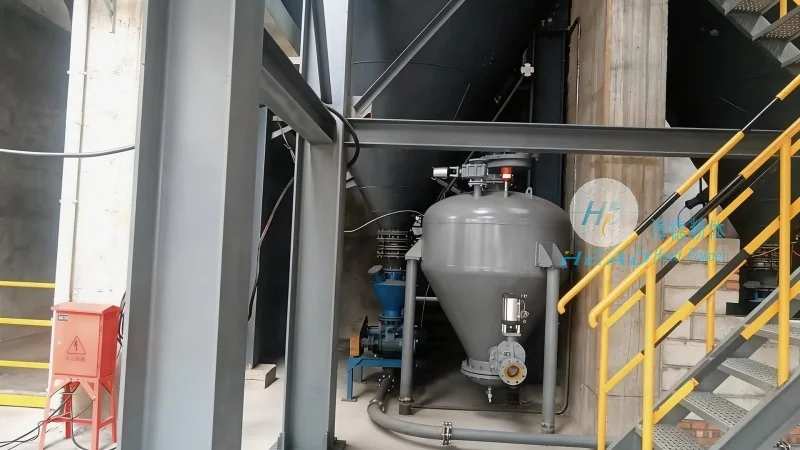
Pulse powder conveying systems offer several advantages over traditional conveying methods, making them suitable for a wide range of industrial applications. One of the primary benefits is the ability to handle a variety of powder types, including fine, cohesive, or abrasive materials, without the need for excessive mechanical stress. This reduces the risk of product degradation and ensures consistent quality. Additionally, the system is energy-efficient, as it only uses power during the pulse cycles, resulting in lower operational costs compared to continuous conveying systems. The compact design of the equipment also allows for installation in confined spaces, making it ideal for facilities with limited floor space. In terms of applications, these systems are commonly used in pharmaceuticals, food processing, chemical manufacturing, and mining industries. For example, in pharmaceutical production, the system can transport active ingredients and excipients with high precision, ensuring compliance with stringent quality standards. In the food industry, it is used to convey flour, sugar, and other dry ingredients in food processing plants. The versatility of the pulse powder conveying system makes it a valuable asset for any operation requiring reliable and efficient powder handling.
Conclusion and Company Commitment
Shandong HeadPowder Engineering Co., Ltd. is committed to providing innovative and reliable powder conveying solutions to meet the evolving needs of various industries. The pulse powder conveying system, with its advanced structure and working principles, represents a significant advancement in material handling technology. By leveraging the expertise and technology of headpowder, users can enhance their operational efficiency, reduce costs, and improve product quality. The company's dedication to quality, customer satisfaction, and technological advancement ensures that its products remain at the forefront of the industry. As a trusted partner in powder handling, headpowder continues to deliver solutions that meet the highest standards of performance and reliability.