

Operation Process and Working Principle of Quantitative Weighing Material Pneumatic Conveying Machin
This article provides an in-depth look at the operation process and working principle of quantitative weighing material pneumatic conveying machines. These systems are critical in industrial applications where precise material handling and measurement are essential. The following sections will explore the key components, operational steps, and technical aspects that define the functionality of such equipment. Developed by Shandong HeadPowder Engineering Co., Ltd. (headpowder), these systems are engineered to deliver high accuracy and reliability in material transport, making them indispensable in industries such as pharmaceuticals, food processing, and chemical manufacturing.
Key Components of the Pneumatic Conveying System
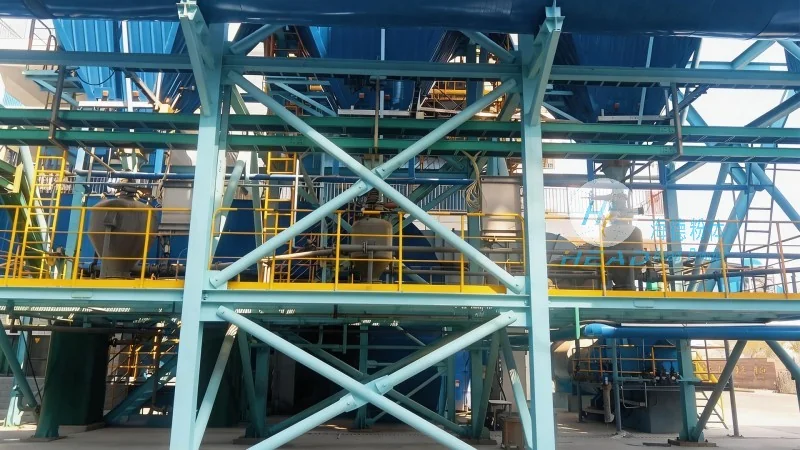
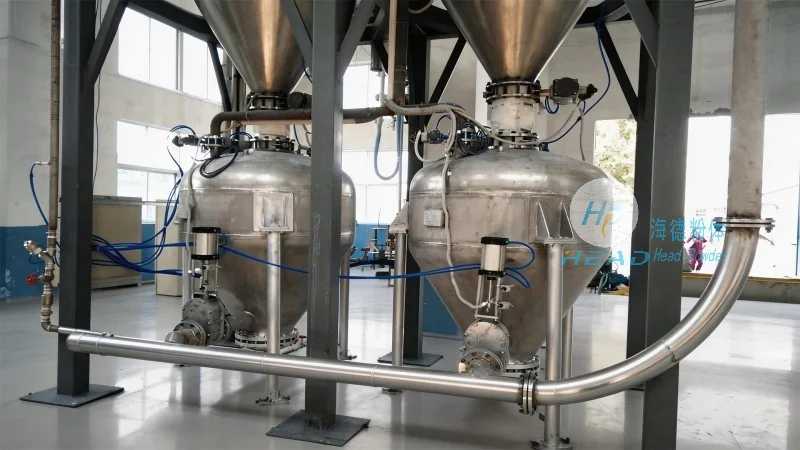
The quantitative weighing material pneumatic conveying machine consists of several core components that work in tandem to achieve accurate material transport and measurement. The hopper serves as the primary storage vessel, holding bulk material ready for processing. The feeder, typically a screw or rotary type, regulates the material flow into the conveying line, ensuring a consistent and controlled rate. The weighing scale, often an industrial load cell or scale system, continuously monitors the mass of material being transported, providing real-time data for process control. The pneumatic conveying pipeline, made of materials like stainless steel or plastic, transports the material using compressed air. A dust collection system, including filters and fans, captures any airborne particles, maintaining a clean and safe environment. Each component is designed to work in harmony, ensuring the system operates with high precision and reliability. The engineering team at headpowder ensures that every component is optimized for performance, durability, and ease of maintenance.
Operation Process: Step-by-Step Breakdown
The operation of a quantitative weighing material pneumatic conveying machine typically follows a systematic sequence. The process begins with material being loaded into the hopper. The feeder then activates, controlling the flow rate of material into the conveying line. Simultaneously, the weighing scale begins to measure the mass of material being conveyed. As material moves through the pipeline, the system maintains a stable pressure and airflow, which is crucial for smooth transport. The dust collection system continuously operates to capture any particles that may escape, preventing contamination and maintaining air quality. The system’s control panel monitors all parameters, adjusting the feeder speed and airflow as needed to maintain the desired weight per batch. This closed-loop control ensures consistent performance and minimal variation in material delivery. The operation is designed to be efficient and user-friendly, with minimal manual intervention required, reflecting the expertise of headpowder in industrial automation.
Working Principle: How It Works
The working principle of the quantitative weighing material pneumatic conveying machine relies on the principles of pneumatic transport and precise measurement. Compressed air is supplied to the conveying pipeline, creating a flow that propels material from the hopper to the discharge point. The feeder regulates the material feed rate, ensuring a steady stream enters the pipeline. The weighing scale measures the mass of material in real time, providing feedback to the control system. This feedback loop allows the system to adjust the airflow and feeder speed to maintain the target weight per batch. The system uses differential pressure and velocity sensors to monitor the material flow, ensuring accurate measurement. By integrating these technologies, the machine achieves precise control over material transport, making it suitable for applications requiring high accuracy and consistency. The design by headpowder emphasizes energy efficiency and minimal environmental impact, aligning with modern industrial standards.
Benefits and Applications
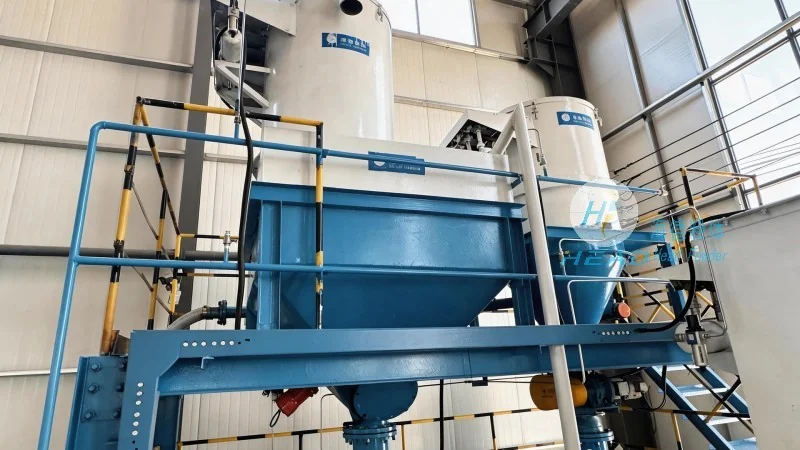
Quantitative weighing material pneumatic conveying machines offer numerous advantages in industrial settings. They enable precise control over material flow, reducing waste and improving product consistency. The system is particularly useful in applications such as pharmaceuticals, where accurate dosing is critical, and food processing, where hygiene and consistency are paramount. By integrating weighing technology with pneumatic transport, these machines enhance operational efficiency and reduce the need for manual intervention, leading to cost savings and improved productivity. The integration of weighing technology with pneumatic transport also minimizes product contamination, as the system operates in a closed environment. Overall, the quantitative weighing material pneumatic conveying machine enhances operational efficiency and ensures compliance with industry standards, making it a valuable asset for modern industrial facilities. The solutions provided by headpowder are tailored to meet the specific needs of clients, ensuring optimal performance and reliability.