

Operation Process and Working Principle of Ceramic Powder Pneumatic Conveying Machine
For industries dealing with ceramic powder, efficient material handling is crucial for maintaining production efficiency and product quality. The pneumatic conveying machine is a key equipment in this field, designed to transport ceramic powder from one location to another through the use of air pressure. This article will explore the operation process and working principle of the ceramic powder pneumatic conveying machine, providing insights into how it functions and its importance in industrial applications.
Introduction to Ceramic Powder Pneumatic Conveying Machine
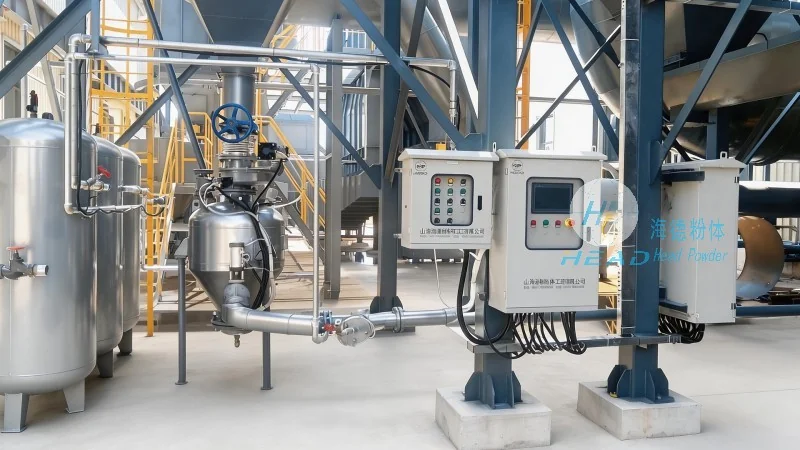
The ceramic powder pneumatic conveying machine, also known as a pneumatic conveyor, is a system that uses compressed air to move dry powder materials like ceramic powder. This equipment is widely used in the ceramic manufacturing industry due to its ability to handle fine powders without causing dust pollution or material degradation. The machine operates by creating a pressure differential between the inlet and outlet, allowing the powder to be transported through a pipeline. The design of the machine is tailored to the specific characteristics of ceramic powder, such as its particle size, moisture content, and flowability, ensuring optimal performance.
Key Components of the Pneumatic Conveying System
The ceramic powder pneumatic conveying machine consists of several essential components that work together to facilitate the material transport. These components include the hopper, feeder, air compressor, conveying line, and receiver. The hopper is used to store the ceramic powder, while the feeder controls the flow rate of the powder into the system. The air compressor generates the necessary air pressure to move the powder through the conveying line. The conveying line is typically made of stainless steel or other materials that are resistant to corrosion and wear from the ceramic powder. The receiver is where the transported powder is collected after it has been conveyed through the system.
Working Principle of the Pneumatic Conveying Machine
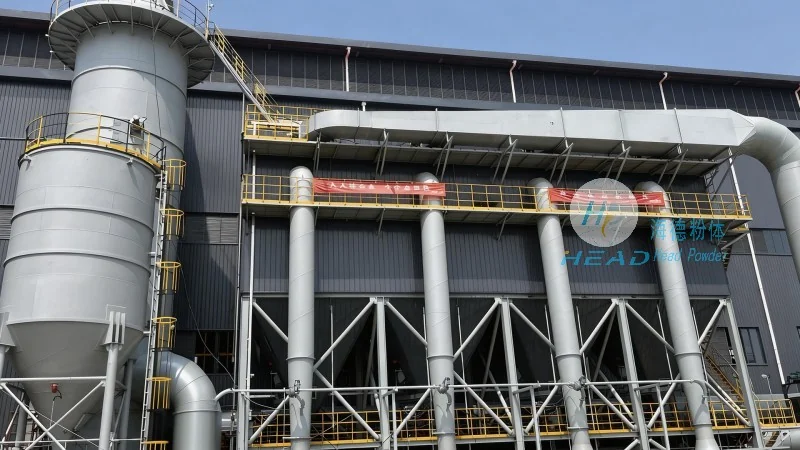
The operation of the ceramic powder pneumatic conveying machine is based on the principle of fluidization and pneumatic transport. When the air compressor supplies compressed air into the conveying line, it creates a pressure that lifts the ceramic powder particles from the hopper. The powder is then carried along the pipeline by the moving air stream. The velocity of the air is carefully controlled to ensure that the powder particles are suspended and transported without settling or clogging the line. The machine uses a combination of positive and negative pressure to move the powder, with the feeder controlling the feed rate and the air compressor maintaining the required pressure.
Operation Process of the Ceramic Powder Pneumatic Conveying Machine
The operation process of the ceramic powder pneumatic conveying machine involves several steps. First, the ceramic powder is loaded into the hopper. The feeder then regulates the flow of powder into the conveying line. The air compressor starts and supplies compressed air, creating a pressure differential that moves the powder through the pipeline. The powder travels to the receiver, where it is collected. The system is designed to operate continuously, with the feeder and air compressor working in sync to maintain a steady flow of powder. The operation is monitored to ensure that the pressure and flow rates are within the optimal range, preventing any issues such as clogging or pressure buildup.
Advantages of Using Ceramic Powder Pneumatic Conveying Machine
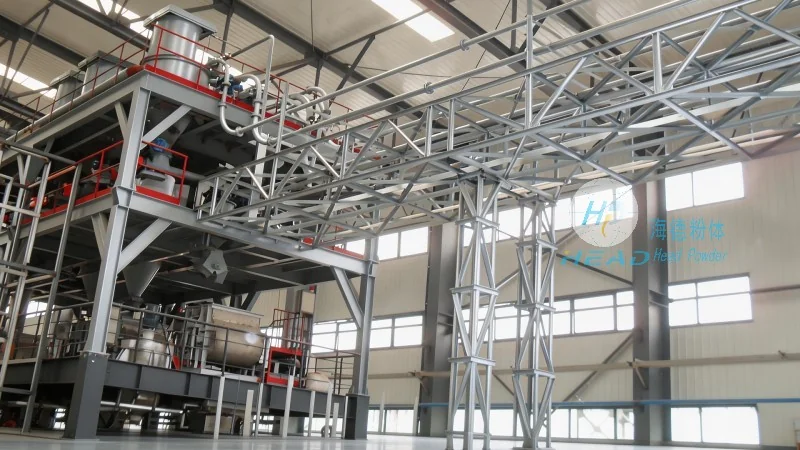
The use of a ceramic powder pneumatic conveying machine offers several advantages over traditional material handling methods. One of the main advantages is the ability to transport fine powders without generating dust, which is a significant benefit for maintaining a clean and safe working environment. The machine also reduces the risk of material contamination, as the powder is contained within the pipeline and does not come into contact with external surfaces. Additionally, the pneumatic conveying system is more energy-efficient compared to other methods, such as belt conveyors or bucket elevators, as it uses less power to transport the same amount of material. The machine is also flexible in terms of layout, as the conveying line can be arranged in various configurations to suit the specific needs of the production facility.
Applications of Ceramic Powder Pneumatic Conveying Machine
The ceramic powder pneumatic conveying machine is widely used in various applications within the ceramic industry. It is commonly used to transport raw materials such as clay, feldspar, and quartz from storage areas to production lines. The machine is also used to move finished ceramic products from the production line to packaging areas. In addition, the pneumatic conveying system is used in the processing of ceramic powders for applications such as ceramic tiles, sanitary ware, and porcelain. The machine's ability to handle fine powders and maintain product quality makes it an essential equipment in these applications.
Maintenance and Troubleshooting of the Pneumatic Conveying Machine
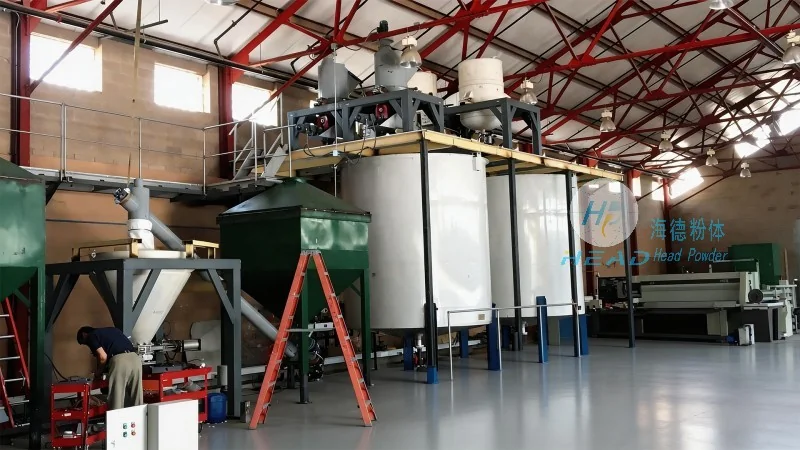
Maintaining the ceramic powder pneumatic conveying machine is crucial to ensure its optimal performance and longevity. Regular maintenance includes checking the air compressor for proper operation, inspecting the conveying line for any signs of wear or damage, and cleaning the hopper and receiver to prevent clogging. If the machine experiences any issues, such as clogging or pressure loss, troubleshooting steps should be taken to identify and resolve the problem. Common issues include blockages in the conveying line, which can be caused by excessive moisture or agglomerates in the powder. The solution may involve adjusting the air pressure or adding a de-agglomerating device to the system. Regular maintenance and proper operation of the machine will ensure that it continues to function efficiently and effectively.
Conclusion
The ceramic powder pneumatic conveying machine is an essential equipment in the ceramic industry, providing an efficient and effective method for transporting fine powder materials. The machine operates based on the principles of pneumatic transport and fluidization, using compressed air to move the powder through a pipeline. The operation process involves several steps, including loading the powder into the hopper, controlling the feed rate, and maintaining the required air pressure. The machine offers several advantages, including reduced dust pollution, improved product quality, and energy efficiency. With proper maintenance and operation, the ceramic powder pneumatic conveying machine can provide reliable and consistent performance for years to come. As the demand for ceramic products continues to grow, the importance of efficient material handling systems like the pneumatic conveying machine will only increase.