

Operation Process and Working Principle of Pulsed Material Pneumatic Conveyor
For industrial applications requiring efficient and reliable material handling, the pulsed material pneumatic conveying system stands out as a versatile solution. This equipment, developed by Shandong HeadPowder Engineering Co., Ltd., a leading manufacturer based in Shandong, China, is designed to transport bulk materials over long distances with minimal maintenance and operational costs. The following sections will delve into the operational process and working principles of this advanced pneumatic conveying technology.
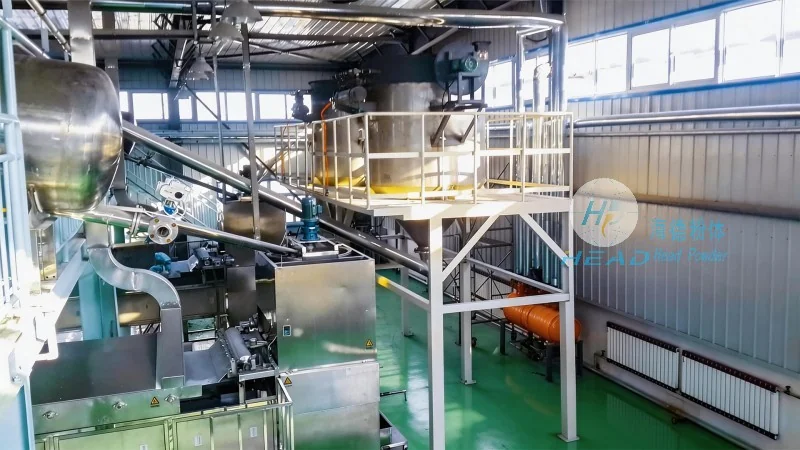
Introduction to Pulsed Material Pneumatic Conveying
Pulsed material pneumatic conveying is a method of transporting dry bulk materials through a pipeline using a combination of compressed air and a controlled pulsing mechanism. Unlike traditional continuous flow systems, the pulsed system operates by periodically injecting high-pressure air pulses into the pipeline, creating a dynamic flow that propels the material forward. This approach is particularly effective for handling fine powders, granules, and other materials that are prone to clogging or segregation in conventional conveying systems. The system's design incorporates key components such as a hopper, a pulse generator, a filter, and a receiver, all working in tandem to ensure smooth and consistent material transport.
Key Components and Their Functions
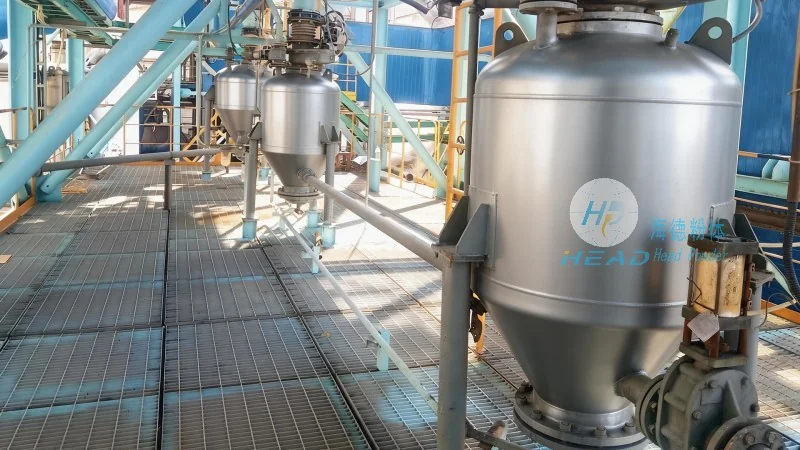
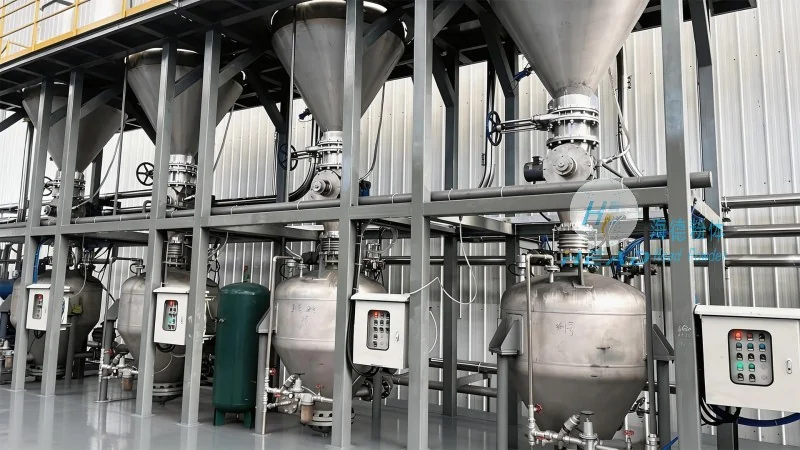
The pulsed material pneumatic conveying system consists of several critical components, each playing a vital role in the overall operation. The hopper serves as the material storage and feeding unit, where bulk material is loaded and prepared for transport. The pulse generator, often a solenoid valve or an air compressor with a pulsing control unit, is responsible for creating the high-pressure air pulses that drive the material. The filter system is essential for maintaining air quality and preventing dust from entering the system or being released into the environment. The receiver, typically a hopper or a container, collects the conveyed material at the destination point. Together, these components form a cohesive system that ensures efficient material handling while adhering to industrial standards for safety and environmental compliance.
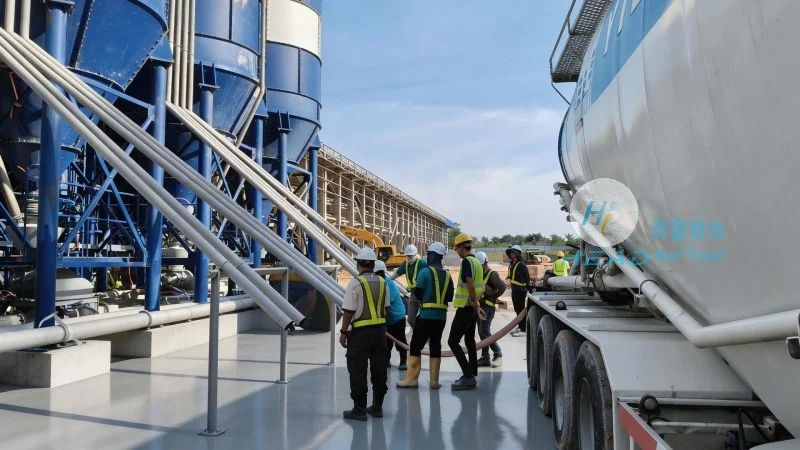
Operation Process: Step-by-Step Overview
The operation of a pulsed material pneumatic conveying system follows a systematic sequence of steps. Initially, the hopper is filled with the bulk material to be transported. The system then activates the pulse generator, which begins to inject high-pressure air pulses into the pipeline at a controlled frequency and pressure. As the air pulses travel through the pipeline, they create a vacuum or pressure differential that draws the material from the hopper and propels it forward. The material is carried in the form of a dense phase or a dilute phase, depending on the system design and material characteristics. The receiver at the end of the pipeline collects the material as it is discharged, completing the transport cycle. The system continuously monitors pressure, flow rate, and other parameters to ensure optimal performance and to detect any potential issues, such as blockages or air leaks, which can be addressed promptly to maintain efficiency.
Working Principle: How Pulsed Conveying Works
The working principle of the pulsed material pneumatic conveying system is based on the principles of fluid dynamics and particle transport. When the pulse generator injects a high-pressure air pulse into the pipeline, it creates a localized pressure wave that travels at high speed through the air and material mixture. This pressure wave displaces the material in the pipeline, causing it to move forward. The frequency and duration of the pulses are carefully controlled to maintain a consistent flow rate and to prevent the material from settling or clogging. The system's ability to handle different material types, including fine powders and abrasive materials, is attributed to its ability to maintain a stable flow by continuously agitating the material with the air pulses. This dynamic agitation helps to prevent segregation and ensures that all particles are conveyed uniformly, regardless of their size or density.
Advantages of Pulsed Material Pneumatic Conveying
Compared to traditional conveying methods, the pulsed material pneumatic conveying system offers several advantages that make it an attractive choice for industrial applications. One of the primary benefits is its ability to handle a wide range of materials, including those that are difficult to transport using conventional systems, such as fine powders and cohesive materials. The system's low maintenance requirements and minimal downtime contribute to reduced operational costs and increased productivity. Additionally, the pulsed design allows for longer conveying distances without the need for intermediate transfer points, making it suitable for large-scale industrial operations. The system also provides better control over material flow, enabling precise dosing and batching, which is essential for processes that require accurate material measurement. Furthermore, the enclosed pipeline system helps to contain dust and prevent environmental contamination, aligning with modern industrial standards for safety and sustainability.
Applications and Industries
The pulsed material pneumatic conveying system is widely used in various industries that require bulk material handling. In the chemical industry, it is used to transport powders, granules, and other materials used in manufacturing processes. The food and pharmaceutical industries benefit from the system's ability to handle materials that require strict hygiene and contamination control. In the mining and mineral processing sector, the system is employed to transport raw materials and byproducts from processing plants. The system's versatility also makes it suitable for applications in the agricultural industry, where it can be used to transport grains, seeds, and other agricultural products. Overall, the pulsed material pneumatic conveying system provides a reliable and efficient solution for material handling across a broad spectrum of industrial applications.
Maintenance and Operational Considerations
To ensure the long-term performance and reliability of the pulsed material pneumatic conveying system, regular maintenance and proper operational practices are essential. The system components, such as the hopper, pulse generator, and filter, should be inspected regularly for wear and tear, and replaced as needed. The air compressor and pulse control unit should be checked for proper functioning and adjusted as necessary to maintain optimal pressure and pulse frequency. The pipeline system should be inspected for any signs of blockages or leaks, which can be caused by material buildup or air pressure fluctuations. Proper cleaning procedures should be followed to prevent dust accumulation and maintain air quality. Additionally, the system should be operated within the recommended parameters, including material feed rate and air pressure, to avoid overloading or damaging the components. By adhering to these maintenance and operational guidelines, the system can operate efficiently and reliably for extended periods, minimizing downtime and maximizing productivity.
Conclusion
The pulsed material pneumatic conveying system, developed by Shandong HeadPowder Engineering Co., Ltd., represents a sophisticated and efficient solution for bulk material handling in industrial applications. Through its controlled pulsing mechanism and integrated components, the system offers reliable transport of a wide range of materials over long distances with minimal maintenance and operational costs. The working principles and operational process of the system are designed to ensure consistent performance and adaptability to various industrial needs. As a leading manufacturer based in Shandong, China, HeadPowder continues to innovate and improve its pneumatic conveying technology to meet the evolving demands of the industry, providing customers with a trusted and effective solution for their material handling requirements.