

Operation Process and Working Principle of Grass Material Pneumatic Conveying Lines
Shandong HeadPowder Engineering Co., Ltd., commonly known as headpowder, is a professional manufacturer specializing in the design, production, and installation of pneumatic conveying systems. With a focus on providing efficient and reliable solutions for material handling, the company has established itself as a trusted partner in the industry. Headquartered in Shandong, China, the company leverages advanced technology and years of experience to deliver high-quality equipment tailored to the needs of various industries.
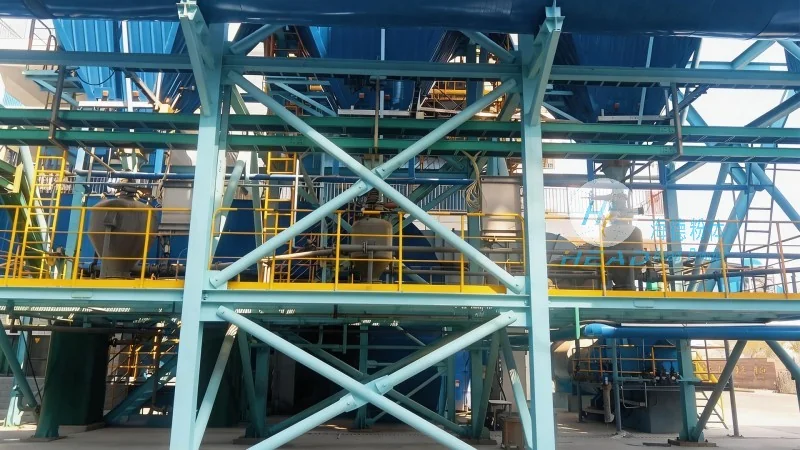
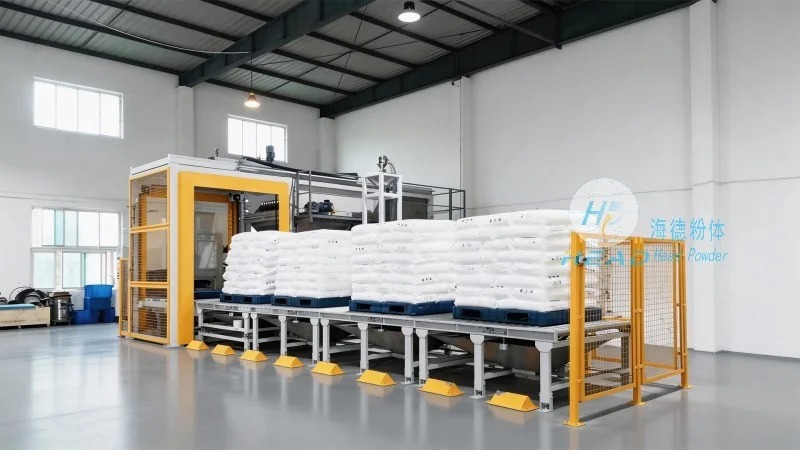
Pneumatic Conveying Systems for Grass and Similar Materials
HeadPowder's pneumatic conveying lines are engineered specifically for the efficient transport of grass and other bulk materials. These systems utilize air as the primary medium to move materials from one location to another, offering a clean, dust-free, and low-maintenance alternative to traditional mechanical conveying methods. The design incorporates advanced components such as high-performance blowers, flexible hoses, and specialized material handling equipment, ensuring optimal performance and durability. The systems are capable of handling a wide range of grass types, including fresh and dried grass, with capacities tailored to meet the specific requirements of agricultural, feed, and processing applications.
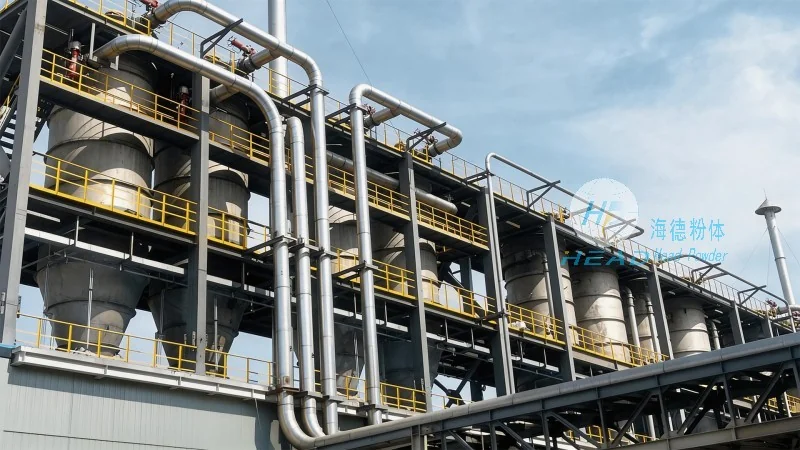
Operation Process of the Pneumatic Conveying Line
The operation of a grass material pneumatic conveying line involves several key steps that ensure smooth and continuous material transport. Initially, the grass material is loaded into a hopper or storage silo. From there, the material is drawn into the conveying line by a high-pressure blower, which generates the necessary air flow to move the material through the system. The material is then carried along flexible or rigid pipelines, depending on the system design, to the destination point, such as a processing facility or storage area. At the receiving end, the material is discharged into a container or silo, completing the transport cycle. The system operates continuously, with the blower maintaining a consistent air pressure to ensure uninterrupted material flow. Regular maintenance, including filter cleaning and blower checks, is essential to keep the system running efficiently and prevent downtime.
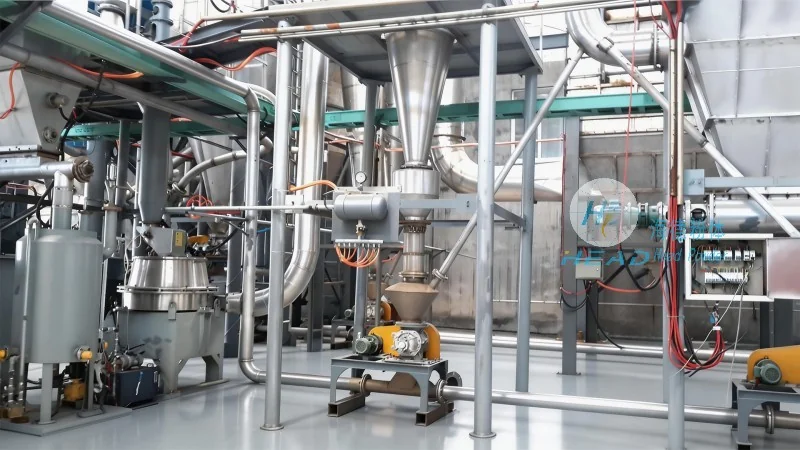
Working Principle of the Pneumatic Conveying System
The core principle behind the pneumatic conveying line is the use of air pressure to move material particles. The system operates on the principle of fluidization, where the air flow creates a low-density environment that allows the material to be suspended and transported. The blower provides the necessary energy to generate the air flow, while the pipeline and components are designed to minimize resistance and maximize material transport efficiency. The system can be configured as either a positive pressure or negative pressure system, depending on the application. Positive pressure systems push the material through the line using high-pressure air, while negative pressure systems pull the material using a vacuum. For grass materials, a positive pressure system is typically preferred due to its ability to handle larger particles and prevent material degradation. The system also incorporates features such as air filters to remove dust and debris, ensuring the material remains clean and free from contaminants. Additionally, the design includes pressure relief valves and safety switches to prevent over-pressurization and ensure safe operation.