

Operation Process and Working Principle of Soda Ash Material Pneumatic Conveying Lines
For industrial applications, efficient and reliable material handling is crucial, especially when dealing with bulk materials like soda ash. Pneumatic conveying systems offer a solution that combines flexibility, safety, and efficiency in transporting these materials. This article explores the operation process and working principle of a soda ash material pneumatic conveying line, highlighting the key components, operational steps, and the technical advantages that make such systems ideal for industrial use. Systems like these are often designed and manufactured by companies specializing in bulk material handling, such as Shandong HeadPowder Engineering Co., Ltd., which provides customized solutions tailored to the specific needs of industrial operations.
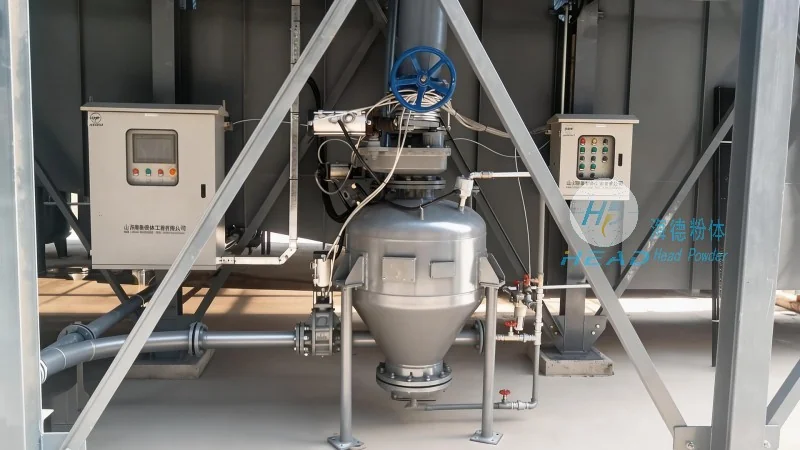
Overview of Soda Ash Material Pneumatic Conveying Systems
Pneumatic conveying systems are engineered to transport bulk materials through a pipeline using a gas stream, typically air or other gases. In the context of soda ash—a white crystalline salt used extensively in glass manufacturing, chemical production, and water treatment—these systems provide an effective means of moving the material from storage to processing units or for distribution. The system is specifically engineered to accommodate the material's characteristics, including its density, flowability, and potential dust generation, ensuring safe and efficient transport while minimizing operational risks.
Key Components of the Pneumatic Conveying Line
The operation of a soda ash material pneumatic conveying line relies on several critical components that work in concert to achieve optimal material transport. These components include:
1. Material Hopper or Storage Bin: This is where the soda ash is initially stored before being fed into the conveying system. The hopper is designed to maintain the material's flow properties and prevent clogging, ensuring a consistent feed rate.
2. Feeder or Metering Device: The feeder controls the rate at which soda ash is introduced into the conveying line. It ensures that the material is fed at a controlled and steady pace, preventing overloading of the system and maintaining the desired flow rate.
3. Pneumatic Conveying Pipeline: The pipeline is the main conduit through which the soda ash is transported. It is typically constructed from durable materials like stainless steel or high-density plastic, chosen for their resistance to corrosion and wear from the soda ash particles.
4. Blower or Air Compressor: This component generates the necessary air pressure or vacuum to move the soda ash particles through the pipeline. The blower's capacity is matched to the system's requirements to ensure efficient transport without excessive energy consumption.
5. Control Valves and Regulators: These devices regulate the air flow and pressure within the system, allowing for adjustments to the conveying rate and ensuring smooth operation. They help maintain the system's stability and prevent pressure fluctuations that could affect material transport.
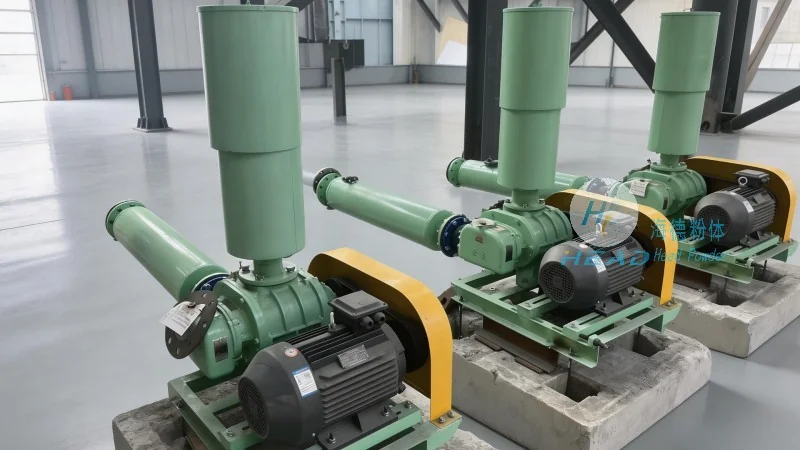
6. Receiving Hopper or Discharge Point: The material is discharged into a receiving hopper or processing unit at the end of the conveying line. This component is designed to handle the material's flow characteristics and ensure safe and efficient unloading.
Operation Process of the Pneumatic Conveying Line
The operation of a soda ash material pneumatic conveying line involves a series of steps that ensure the material is transported safely and efficiently from the storage point to the discharge point. The process typically begins with the material being fed from the storage hopper into the feeder. The feeder then meters the material at a controlled rate, which is then introduced into the pipeline by the blower or air compressor.
As the air stream moves through the pipeline, it carries the soda ash particles along with it. The air velocity is maintained at a level sufficient to keep the particles suspended and prevent them from settling or clogging the pipeline. The system's control valves and regulators ensure that the air pressure and flow rate are optimized for the specific material and pipeline length.
Once the material reaches the receiving hopper or discharge point, the air flow is adjusted to allow the material to settle and be collected. The control system monitors the pressure and flow rates throughout the process, making real-time adjustments as needed to maintain optimal performance. This ensures that the conveying process is consistent and reliable, minimizing downtime and maximizing throughput.
Working Principle of the Pneumatic Conveying System
The working principle of a soda ash material pneumatic conveying line is based on the fundamental physics of fluid dynamics and particle transport. The system operates by creating a pressure differential or using a vacuum to move the material through the pipeline. The key principles involved include:
1. Fluidization and Suspension: The air stream in the pipeline creates a fluidized state for the soda ash particles, suspending them in the air and allowing them to be transported as a slurry. The velocity of the air is critical in maintaining this suspension, as it must be sufficient to overcome the gravitational forces acting on the particles.
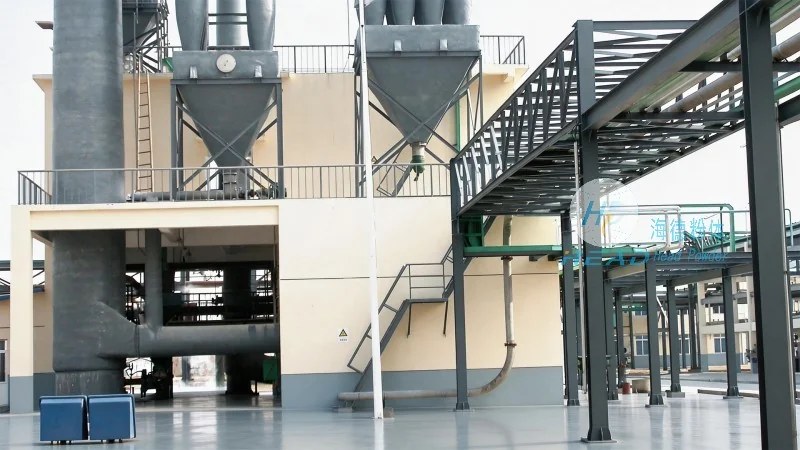
2. Pressure or Vacuum Conveying: The system can operate under either positive pressure (where the blower supplies compressed air) or negative pressure (where a vacuum is created at the discharge end). Positive pressure systems are commonly used for short to medium distance conveying, while negative pressure systems are suitable for longer distances or when the material needs to be transported from multiple points to a central location.
3. Material Handling Efficiency: The design of the system, including the feeder, pipeline, and control components, is optimized to minimize energy consumption and maximize material throughput. The use of appropriate materials for the pipeline and components ensures durability and resistance to corrosion from the soda ash, extending the system's lifespan and reducing maintenance costs.
Technical Advantages of Pneumatic Conveying for Soda Ash
Pneumatic conveying systems offer several advantages over traditional methods like belt conveyors or bucket elevators when handling soda ash. These advantages include:
1. Reduced Dust and Contamination: Pneumatic systems are enclosed, which helps contain dust and prevent contamination of the material. This is particularly important for soda ash, which can be a source of dust that may affect air quality and worker health.
2. Flexibility in Layout: The pipeline can be configured in various shapes and directions, allowing for flexible layout designs that can adapt to the specific requirements of the industrial facility. This flexibility is especially beneficial in facilities with limited space or complex layouts.
3. Lower Maintenance Costs: Compared to mechanical conveyors, pneumatic systems have fewer moving parts, reducing the risk of mechanical failure and lowering maintenance requirements. The use of durable materials for the pipeline and components also contributes to lower long-term maintenance costs.
4. Energy Efficiency: Modern pneumatic conveying systems are designed to be energy-efficient, with blowers and control systems optimized to minimize energy consumption. This helps reduce operational costs and environmental impact.