

Operation Process and Working Principle of Automatic Tonne Bag Feeding Material Pneumatic Conveying
HeadPowder, a leading manufacturer based in Shandong, China, specializes in the design and production of advanced material handling equipment. The company's flagship product, the automatic tonne bag feeding material pneumatic conveying machine, represents a sophisticated solution for efficient bulk material transfer in industrial settings.
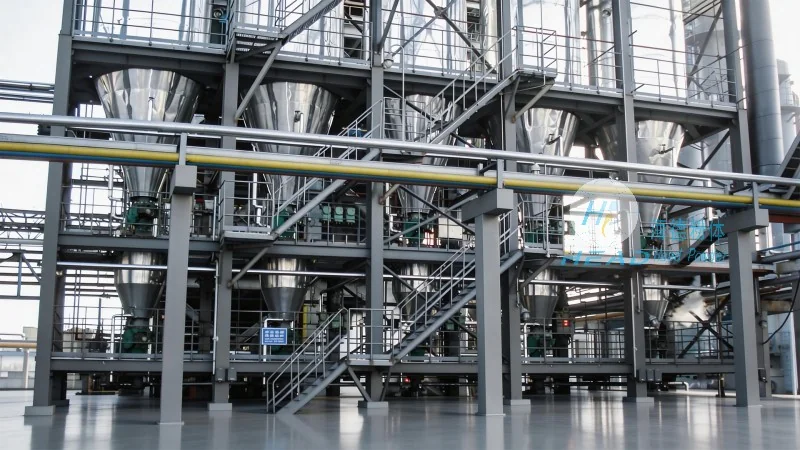
Introduction to the Automatic Tonne Bag Feeding Pneumatic Conveying System
This equipment is engineered to automate the process of handling and transporting bulk materials from large tonne bags into processing systems. It integrates several key components that work in tandem to ensure seamless operation, including a bag opening mechanism, a feeding hopper, a pneumatic conveying pipeline, and a control system. The system is designed to handle a wide range of materials, from powders and granules to fine particles, with high efficiency and minimal human intervention.
Operation Process of the Tonne Bag Feeding System
The operation begins with the placement of a tonne bag onto the machine's designated loading platform. The bag opening mechanism then activates, typically using a hydraulic or mechanical system to cut and open the bag's top. As the bag is opened, the material inside is drawn into the feeding hopper. The hopper is equipped with a rotary valve or a screw feeder that regulates the flow of material into the pneumatic conveying system. The material is then transported through the pipeline using compressed air or a vacuum system, depending on the configuration. The conveying process is controlled by the machine's internal logic, which monitors the flow rate and pressure to maintain optimal performance. Once the material is fully transferred from the bag to the destination silo or processing unit, the system automatically shuts down and signals the completion of the cycle.
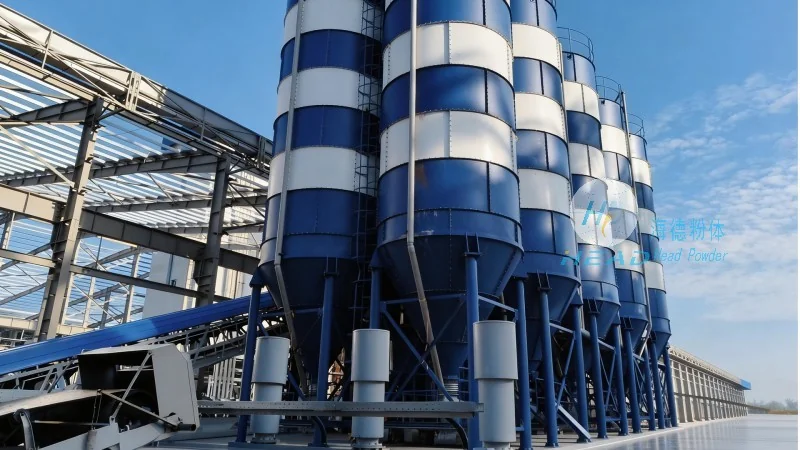
Working Principle of the Pneumatic Conveying Mechanism
The core of the system is the pneumatic conveying technology, which utilizes air to move material through a closed pipeline. The principle involves creating a pressure differential between the feeding point and the discharge point. In a typical positive pressure system, compressed air is introduced at the feeding end, pushing the material through the pipeline. The air and material mixture travels to the discharge point, where the air is separated from the material, often using a cyclone separator or a filter. The separated material is then collected in the receiving container, while the air is either vented or recirculated back into the system. The negative pressure system operates by creating a vacuum at the discharge end, drawing material from the feeding point through the pipeline. Both systems are designed to handle different material characteristics and operational requirements, ensuring reliable and efficient material transfer.
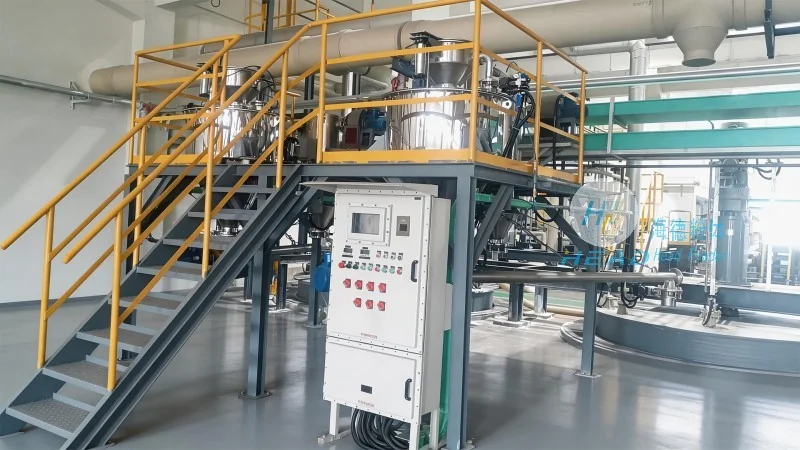
Key Components and Their Functions
Several critical components contribute to the effective operation of the automatic tonne bag feeding pneumatic conveying machine. The bag opening device is responsible for safely and efficiently opening the tonne bag without damaging the material. The feeding hopper and its associated valve or screw feeder control the rate at which material is introduced into the conveying system, preventing overloading or underflow. The pneumatic pipeline, made from durable materials such as stainless steel or plastic, ensures the material is transported without degradation. The control system, often equipped with sensors and a programmable logic controller (PLC), monitors and adjusts the operation parameters in real-time, enhancing the system's reliability and performance. Additionally, the system may include a dust collection or filtration unit to maintain air quality and comply with environmental regulations.
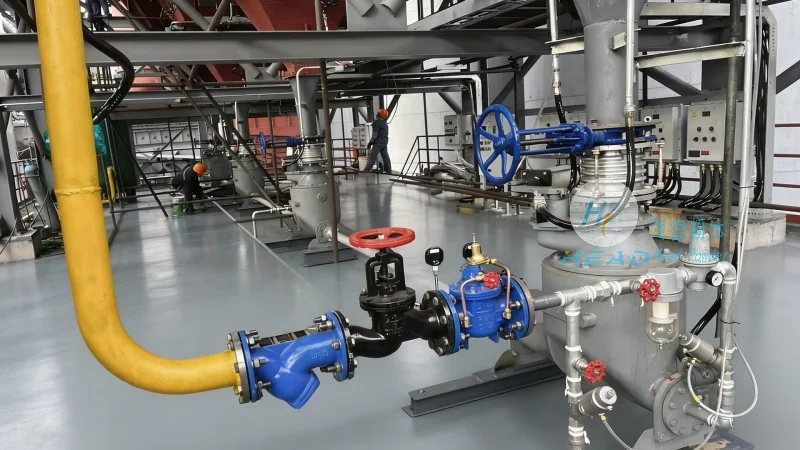
Advantages and Applications
The automatic tonne bag feeding material pneumatic conveying machine offers several advantages over traditional manual handling methods. It significantly reduces labor costs by automating the entire process, from bag opening to material transfer. The system also minimizes material loss and contamination, as the material remains contained within the sealed pipeline. Furthermore, it enhances safety in the workplace by eliminating the need for manual lifting and handling of heavy tonne bags. This equipment is widely used in various industries, including food processing, pharmaceuticals, chemicals, and mining, where bulk materials need to be transferred efficiently and hygienically. Its adaptability to different material types and processing requirements makes it a versatile solution for modern industrial operations.
Conclusion
HeadPowder's automatic tonne bag feeding material pneumatic conveying machine exemplifies advanced material handling technology, combining automation, efficiency, and reliability. By integrating innovative components and pneumatic conveying principles, the system ensures seamless operation from bag opening to material delivery. With its ability to handle diverse materials and industrial applications, this equipment provides a cost-effective and sustainable solution for bulk material transfer, supporting the productivity and safety of modern manufacturing processes.