

Operation Process and Working Principle of Asbestos Powder Material Pneumatic Conveying System
Asbestos powder material pneumatic conveying systems are critical in industrial applications for the safe and efficient transport of asbestos powder. These systems are designed to handle the unique properties of asbestos powder, ensuring minimal dust generation and optimal material flow. The following sections detail the operation process and working principles of such systems, highlighting the key components and their functions.
Company Introduction
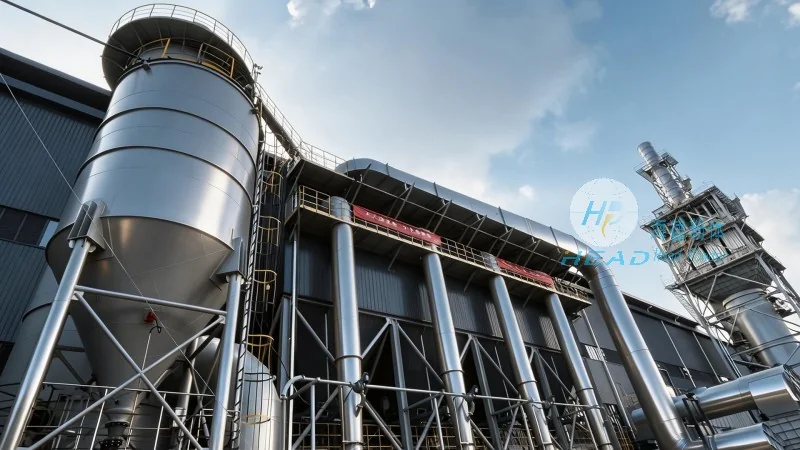
Headpowder, or Shandong HeadPowder Engineering Co., Ltd., is a leading manufacturer in the field of pneumatic conveying systems. With a focus on innovation and quality, the company specializes in providing customized solutions for various industrial needs. Headpowder is headquartered in Shandong, China, and has established a strong reputation for delivering reliable and efficient equipment for material handling. The company’s expertise lies in understanding the specific requirements of asbestos powder handling, ensuring that their systems meet the highest safety and performance standards.
Overview of Pneumatic Conveying Systems
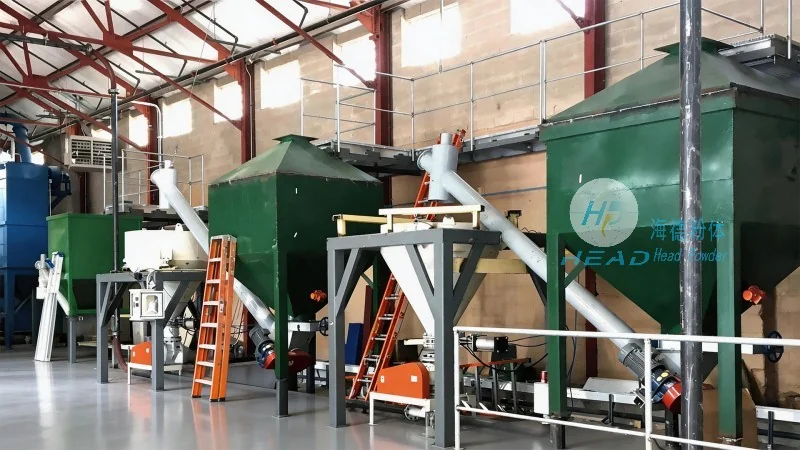
Pneumatic conveying systems utilize air or other gases to transport bulk materials like asbestos powder through a pipeline network. These systems are widely used in industries where traditional mechanical conveying methods may be impractical or unsafe. The primary advantage of pneumatic conveying is the ability to handle abrasive or hazardous materials, such as asbestos, with minimal risk of contamination or exposure. The system typically consists of a blower, a hopper for material storage, a conveying line, and a receiver for the discharged material. Each component plays a crucial role in the overall operation of the system.
Working Principle of the System
The working principle of an asbestos powder pneumatic conveying system is based on the creation of a pressure differential within the conveying line. A blower or compressor generates high-pressure air, which is introduced into the hopper containing the asbestos powder. As the air flows through the material, it lifts and suspends the powder particles, converting them into a fluid-like stream. This process, known as pneumatic transport, allows the powder to be moved through the pipeline to the receiving hopper. The pressure differential ensures that the material is continuously drawn from the source and delivered to the destination, maintaining a consistent flow rate.
Operation Process Step-by-Step
The operation process of the asbestos powder pneumatic conveying system involves several key steps. First, the asbestos powder is loaded into the hopper. The hopper is equipped with a feeder that controls the flow rate of the material into the conveying line. Next, the blower is activated, creating the necessary pressure to start the conveying process. As the air flows through the hopper, it lifts the powder and carries it through the pipeline. The material travels to the receiving hopper, where the pressure is reduced, causing the powder to settle and be collected. The system may include additional components such as filters to remove any fine particles from the air stream, ensuring that the exhaust air is clean and safe. The entire process is automated, with controls that monitor pressure, flow rate, and material level to maintain optimal operation.
Technical Advantages and Features
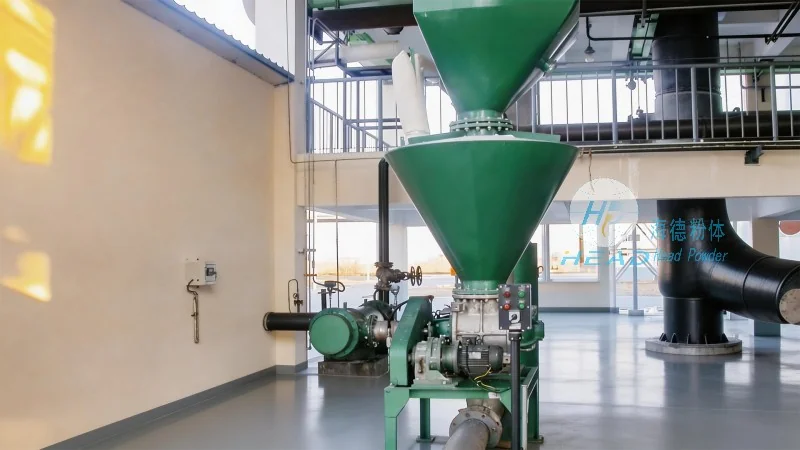
Headpowder’s asbestos powder pneumatic conveying systems offer several technical advantages that enhance performance and safety. The systems are designed with high-quality materials to withstand the abrasive nature of asbestos powder, ensuring long-term durability. The use of positive pressure systems minimizes the risk of dust leakage and exposure, providing a safer working environment. Additionally, the systems are equipped with advanced controls that allow for precise regulation of the conveying rate, ensuring consistent material delivery. The company’s expertise in customizing systems to meet specific customer requirements ensures that the equipment is tailored to the unique needs of each application, whether it involves short or long-distance transport, high or low flow rates, or different types of asbestos powder.
Application Scenarios and Industry Use
The asbestos powder pneumatic conveying systems from Headpowder are widely used in various industrial applications. These include processing plants where asbestos powder is used in the production of insulation materials, construction sites where asbestos is handled for renovation or demolition, and recycling facilities where asbestos-containing waste is processed. The systems are also suitable for applications requiring the transport of other fine powders, such as minerals, chemicals, or pharmaceuticals, due to their versatility and adaptability. The company’s solutions are designed to meet the specific requirements of each industry, ensuring efficient and safe material handling. Whether for small-scale or large-scale operations, Headpowder’s pneumatic conveying systems provide reliable and effective solutions for transporting asbestos powder and other bulk materials.