

Operation Process and Working Principle of Silica Powder Material Pneumatic Conveying System
Shandong HeadPowder Engineering Co., Ltd., a professional manufacturer based in Shandong, China, specializes in the design, development, and implementation of advanced pneumatic conveying systems for various industrial applications. This article provides a detailed overview of the operation process and working principle of a silica powder material pneumatic conveying system, highlighting the key components, operational steps, and technical aspects that ensure efficient and reliable material transport.
System Overview and Key Components
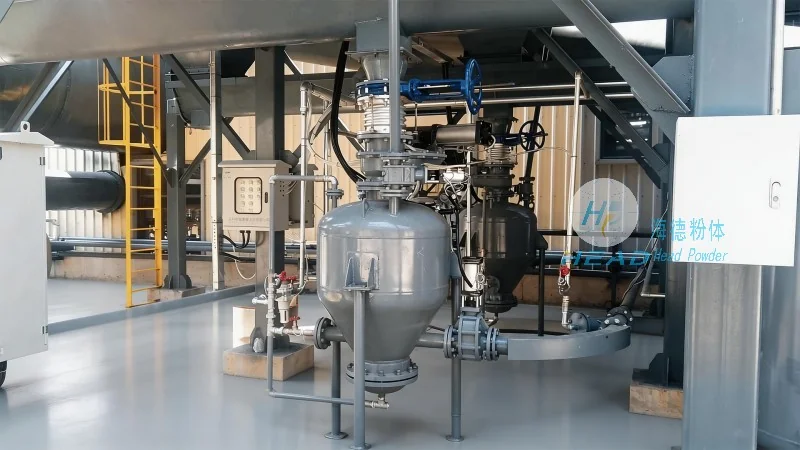
The silica powder pneumatic conveying system is engineered to handle fine powders like silica with high efficiency and minimal loss. The system typically consists of several critical components, including a material hopper, a rotary valve feeder, a conveying pipeline, a dust collector, and a control panel. Each component plays a vital role in the overall operation, ensuring smooth material flow from the source to the destination.
Preparation and Material Loading
Before the system initiates the conveying process, proper preparation is essential. The silica powder is first stored in the material hopper, which is equipped with a lid to prevent contamination and maintain material quality. The hopper is designed with a sloped bottom to facilitate uniform material flow. A rotary valve feeder is then used to regulate the flow rate of the silica powder into the conveying pipeline. This feeder ensures consistent and controlled material discharge, preventing overloading or underloading of the system.
Conveying Process: Air-Driven Material Transport
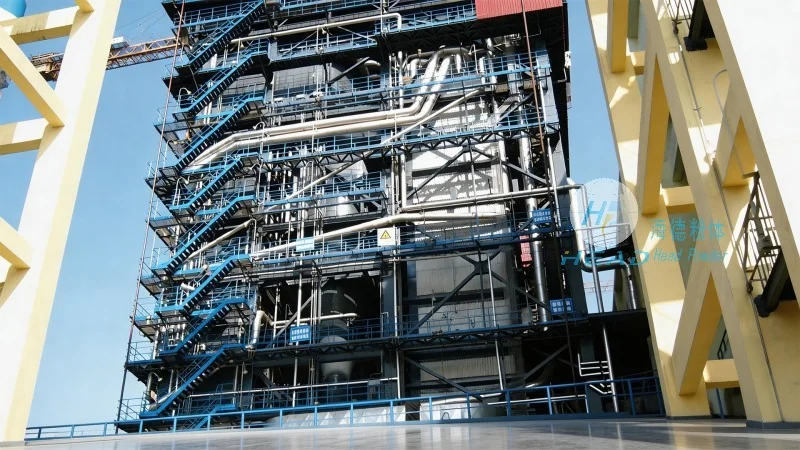
The core of the pneumatic conveying system is the air-driven transport mechanism. Once the rotary valve feeder starts, the silica powder is introduced into the conveying pipeline. Simultaneously, a high-pressure air compressor generates compressed air, which is introduced into the pipeline at a specific pressure and flow rate. The compressed air creates a flow that carries the silica powder particles through the pipeline. The velocity of the air and the particle size of the silica powder determine the conveying efficiency and the system's capacity. The system may employ different conveying modes, such as dilute phase or dense phase, depending on the material characteristics and application requirements.
Control and Monitoring of the System
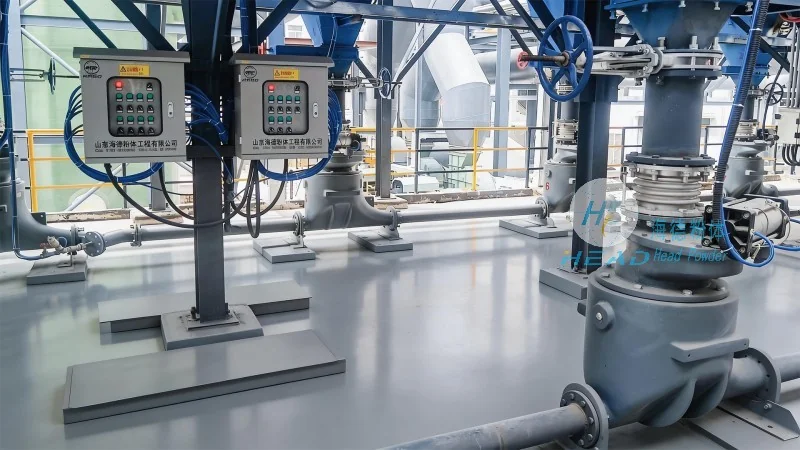
Effective control and monitoring are crucial for maintaining the optimal performance of the pneumatic conveying system. The control panel, integrated with sensors and actuators, monitors parameters like pressure, flow rate, and material level in real-time. It adjusts the air compressor output and the rotary valve feeder speed to maintain the desired conveying rate. The system also includes safety features, such as pressure relief valves and emergency stop buttons, to prevent overpressure and ensure operator safety. Regular maintenance checks are performed to ensure all components are functioning correctly and to extend the system's service life.
Working Principle: From Material Input to Destination
The working principle of the silica powder pneumatic conveying system involves a sequence of steps that transform raw material into a transported product. Initially, the silica powder is stored in the hopper and fed into the pipeline via the rotary valve. Compressed air then propels the powder through the pipeline, overcoming gravitational and frictional forces. The pipeline is designed with appropriate bends and fittings to minimize pressure loss and ensure smooth flow. At the destination, the conveying system may include a receiving hopper or a silo where the silica powder is deposited. The system's design ensures that the powder is delivered to the target location with minimal degradation, preserving its quality and characteristics.
Advantages and Applications
The silica powder pneumatic conveying system offers several advantages over traditional material handling methods, such as mechanical conveyors. It provides a dust-free and hygienic transport environment, which is particularly important for food and pharmaceutical industries. The system also allows for flexible routing, enabling material to be transported to multiple destinations from a single source. Additionally, it reduces material handling costs and labor requirements by automating the transport process. The system is widely used in industries such as construction, glass manufacturing, and chemical processing, where silica powder is a key raw material.
Conclusion
Shandong HeadPowder Engineering Co., Ltd. has developed a reliable and efficient pneumatic conveying system for silica powder material transport. By understanding the operation process and working principle, users can optimize the system's performance and ensure consistent material delivery. The system's design, control mechanisms, and maintenance protocols contribute to its long-term reliability and cost-effectiveness, making it an ideal solution for various industrial applications.