

How to Design a Reasonable PVC Powder Pneumatic Conveying System Solution
When it comes to handling PVC powder in industrial applications, selecting the right pneumatic conveying system is crucial for efficiency, safety, and cost-effectiveness. A well-designed system ensures smooth material transport, reduces downtime, and minimizes the risk of product contamination. This article provides a comprehensive guide on how to design a reasonable PVC powder pneumatic conveying system, focusing on key considerations and best practices.
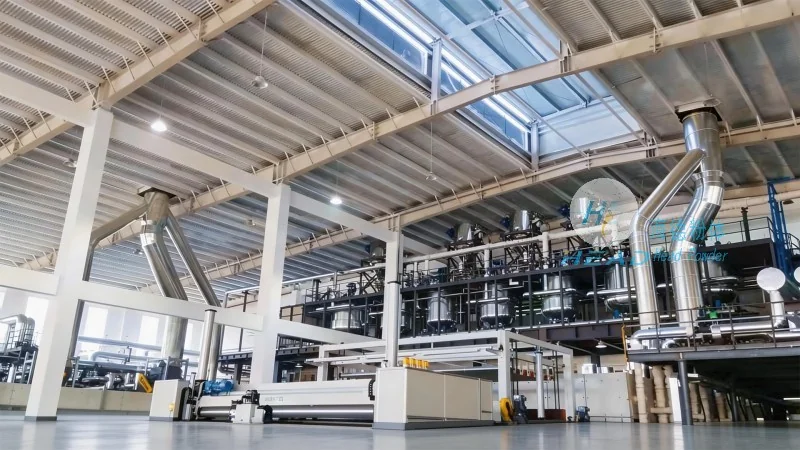
HeadPowder, a leading engineering company based in Shandong, China, specializes in the design and implementation of advanced pneumatic conveying solutions. With years of experience in the industry, HeadPowder understands the unique challenges associated with transporting PVC powders, which often require specialized equipment and system configurations to maintain product integrity and operational reliability.
Key Factors to Consider in PVC Powder Pneumatic Conveying System Design
The first step in designing a PVC powder pneumatic conveying system is to assess the specific characteristics of the material. PVC powders can vary significantly in terms of particle size, moisture content, flowability, and dustiness. These properties directly impact the choice of system type, such as pressure or vacuum conveying, and the selection of appropriate components like pumps, filters, and piping.
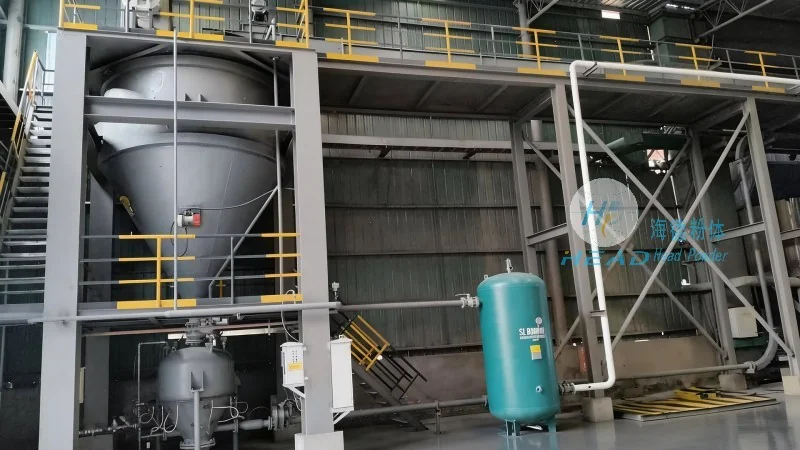
For example, if the PVC powder is fine and has poor flowability, a pressure conveying system with a positive displacement blower might be more suitable. This system can generate the necessary pressure to move the material through the pipeline efficiently. Conversely, if the material is more free-flowing and the distance to be covered is short, a vacuum system using a rotary lobe pump could be a better option. The choice of system type also depends on the distance between the source and destination, as well as the required flow rate and pressure levels.
System Components and Their Roles in PVC Powder Conveying
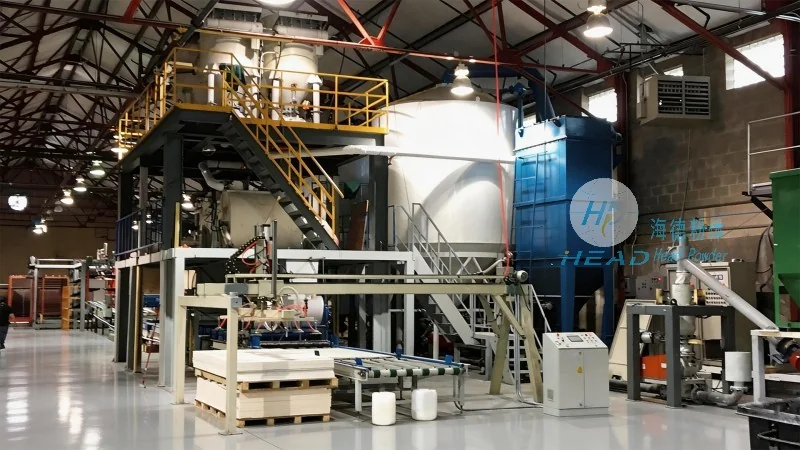
A typical PVC powder pneumatic conveying system consists of several key components, each playing a critical role in the overall operation. These components include the material feed hopper, which stores and feeds the PVC powder into the system; the conveying line, which transports the material from the source to the destination; the air source, such as a blower or compressor, which provides the necessary airflow; and the separation and collection equipment, which removes the material from the air stream and returns it to the process.
The material feed hopper is designed to handle the specific characteristics of the PVC powder, ensuring consistent feeding and preventing blockages. It may include features like a vibratory feeder or a rotary valve to control the flow rate. The conveying line is typically made of stainless steel or other corrosion-resistant materials to prevent the PVC powder from sticking to the walls and causing clogging. The air source is selected based on the required pressure and flow rate, with positive displacement blowers being common for pressure systems due to their ability to maintain consistent pressure even at low flow rates.
Design Considerations for Material Handling and Product Integrity
Ensuring product integrity is a top priority when designing a PVC powder pneumatic conveying system. PVC powders are often used in applications where contamination or degradation can affect the final product quality. Therefore, the system must be designed to minimize exposure to air, moisture, and other contaminants. This can be achieved through the use of sealed components, proper filtration, and controlled air flow.
For instance, the conveying line should be equipped with filters to remove any fines or dust that may be present in the PVC powder. These filters help maintain the purity of the material and prevent clogging in downstream equipment. Additionally, the system should be designed to minimize the residence time of the material in the air stream, as prolonged exposure can lead to moisture absorption or degradation. Proper insulation of the conveying line and the use of temperature-controlled environments can also help maintain the material's properties.
HeadPowder's Expertise in PVC Powder Pneumatic Conveying System Design
HeadPowder Engineering Co., Ltd., based in Shandong, China, offers comprehensive services for the design, installation, and maintenance of PVC powder pneumatic conveying systems. The company's team of experienced engineers uses advanced software and methodologies to create customized solutions that meet the specific needs of each client. By leveraging their expertise in material handling and industrial engineering, HeadPowder ensures that the designed systems are not only efficient but also reliable and cost-effective.
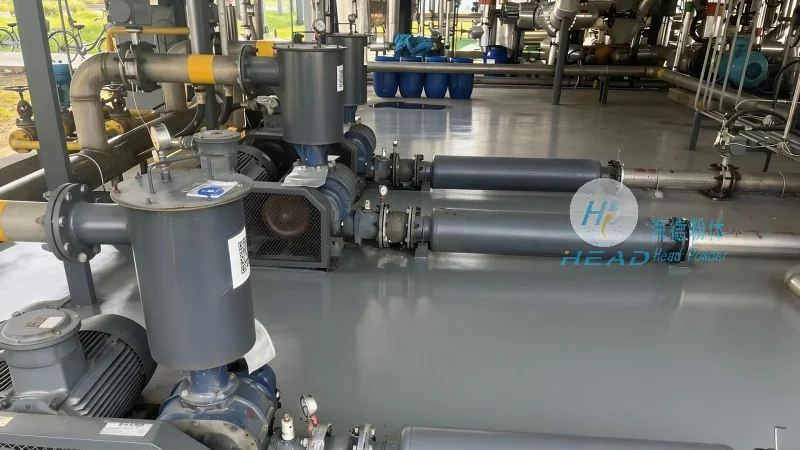
HeadPowder's approach to system design involves a thorough analysis of the client's requirements, including the type and quantity of PVC powder, the distance to be covered, and the desired flow rate. The company then develops a detailed system layout, selects appropriate components, and provides a comprehensive design report. This report includes calculations for pressure drops, airflow requirements, and component sizing, ensuring that the system will operate within the specified parameters.
Conclusion: Optimizing PVC Powder Transport with a Well-Designed System
Designing a reasonable PVC powder pneumatic conveying system requires careful consideration of material properties, system type, and component selection. By addressing these factors and leveraging the expertise of a qualified engineering company like HeadPowder, industrial facilities can achieve efficient, safe, and reliable transport of PVC powders. A well-designed system not only improves operational efficiency but also extends the lifespan of equipment and reduces maintenance costs. Ultimately, the goal is to create a system that meets the specific needs of the application while maintaining the highest standards of product integrity and safety.