

Operation Process and Working Principle of Sodium Chlorate Material Handling Equipment
For industrial applications involving sodium chlorate, the efficient and safe handling of this chemical is critical. The operation process and working principle of specialized material handling equipment designed for sodium chlorate play a pivotal role in ensuring smooth production workflows. This article provides an in-depth look at the operational aspects and underlying principles of such equipment, emphasizing the importance of precision and safety in material handling.
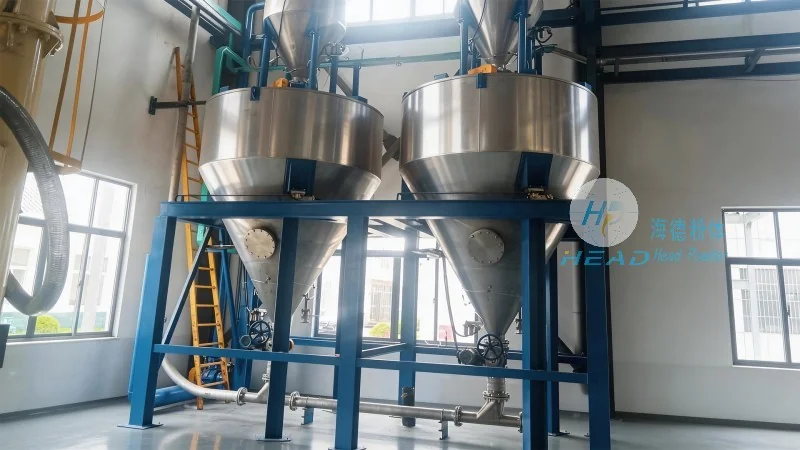
Introduction to Sodium Chlorate Material Handling Equipment
Sodium chlorate is a potent oxidizing agent widely used in various industrial sectors, including pulp and paper, textile, and chemical manufacturing. Handling this substance requires specialized equipment due to its reactivity and potential hazards. The equipment developed by Shandong HeadPowder Engineering Co., Ltd. (commonly known as headpowder) is engineered to meet the stringent safety and performance standards necessary for sodium chlorate processing. This section introduces the key components and overall structure of the material handling systems used for sodium chlorate.
Key Components of the Material Handling System
The material handling equipment for sodium chlorate typically consists of several integrated components that work in tandem to ensure safe and efficient transport. These components include feed hoppers, conveyor systems, control panels, and safety interlocks. The feed hopper is designed to store and meter the sodium chlorate feedstock, ensuring a consistent flow into the conveyor system. The conveyor system, often equipped with specialized materials like stainless steel or corrosion-resistant alloys, transports the sodium chlorate from the storage area to the processing unit. Control panels provide operators with real-time monitoring and adjustment capabilities, while safety interlocks prevent unauthorized access or operation during material transfer.
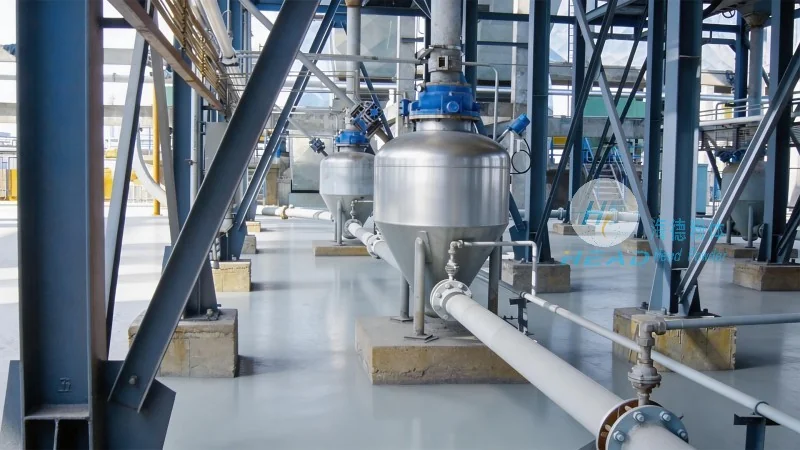
Operation Process of the Material Handling Equipment
The operation process of the sodium chlorate material handling equipment begins with the preparation of the feedstock. The feed hopper is filled with sodium chlorate, and the system is activated through the control panel. The first step involves the activation of the conveyor motor, which starts the movement of the material from the hopper to the processing line. As the material travels through the conveyor, it passes through any necessary processing stages, such as screening or blending. The system is equipped with sensors that monitor the flow rate and detect any blockages or irregularities, ensuring continuous and stable operation. The material is then delivered to the processing unit or storage area as required. The entire process is automated to minimize human intervention and reduce the risk of exposure to sodium chlorate.
Working Principle of the Material Handling Equipment
The working principle of the sodium chlorate material handling equipment is based on mechanical and pneumatic systems that ensure precise control over the material flow. The feed hopper uses gravity or mechanical feeders to regulate the amount of sodium chlorate entering the conveyor. The conveyor system employs rollers or belts to move the material, with adjustable speed settings to control the flow rate. Control panels utilize sensors and feedback mechanisms to maintain consistent material flow and prevent overloading or underflow. Safety features, such as emergency stop buttons and interlocks, are integrated into the system to protect operators and prevent accidents. The equipment is designed to operate in a closed system whenever possible, minimizing exposure to the environment and reducing the risk of contamination.
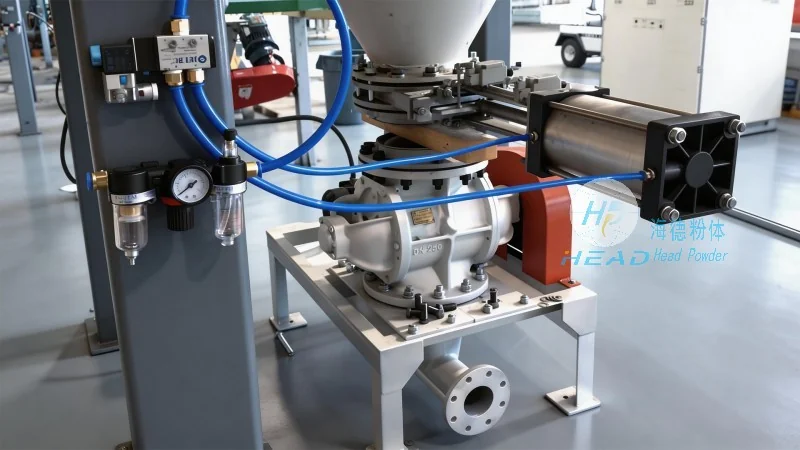
Safety and Maintenance Considerations
Given the hazardous nature of sodium chlorate, safety and maintenance are paramount in the operation of the material handling equipment. Regular maintenance is essential to ensure the equipment operates efficiently and safely. This includes inspecting conveyor belts for wear and tear, checking motor performance, and verifying the functionality of safety interlocks. Operators must follow strict safety protocols, including wearing personal protective equipment (PPE) and adhering to lockout/tagout procedures. The equipment is designed with corrosion-resistant materials to withstand the chemical properties of sodium chlorate, reducing the risk of equipment failure and contamination. Additionally, the system is equipped with emergency shutdown mechanisms to quickly halt operations in case of an anomaly, protecting both personnel and the environment.
Conclusion
The operation process and working principle of sodium chlorate material handling equipment, as developed by Shandong HeadPowder Engineering Co., Ltd., represent a sophisticated solution for safely and efficiently handling this critical chemical. By integrating advanced control systems, robust safety features, and corrosion-resistant materials, the equipment ensures reliable performance while minimizing risks. The detailed understanding of the operation process and working principles is essential for operators and maintenance personnel to maintain optimal performance and ensure compliance with safety regulations. As a leading provider in the industry, headpowder continues to innovate and improve its material handling solutions to meet the evolving needs of sodium chlorate processing applications.