

Operation Process and Working Principle of Magnesium Silicate Material Handling Equipment
At Shandong HeadPowder Engineering Co., Ltd., we specialize in the design and manufacturing of advanced material handling systems tailored for the efficient transport of magnesium silicate materials. Our equipment is engineered to meet the demanding requirements of various industrial applications, ensuring reliable performance and optimal material flow management.
Key Components and Structure of the Equipment
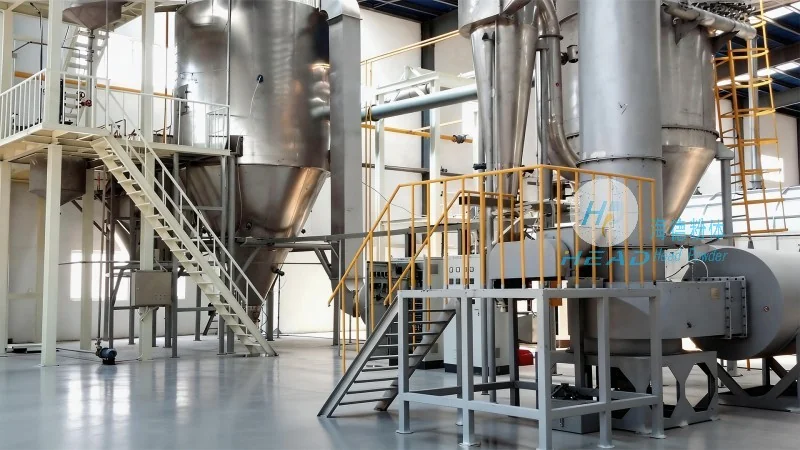
The magnesium silicate material handling equipment typically consists of several critical components that work in tandem to facilitate smooth material transport. These include a robust conveyor system, a control unit for operational management, and specialized feeding mechanisms designed to handle the unique properties of magnesium silicate. The conveyor system may feature adjustable speed controls and durable materials to withstand the abrasive nature of the material being handled. The control unit allows for precise regulation of the equipment's operation, enabling operators to adjust parameters such as speed and direction based on real-time operational needs. Additionally, the feeding mechanism is engineered to minimize material degradation and ensure consistent feeding rates, which is crucial for maintaining the quality of the magnesium silicate during transport.
Operation Process: Step-by-Step Guide
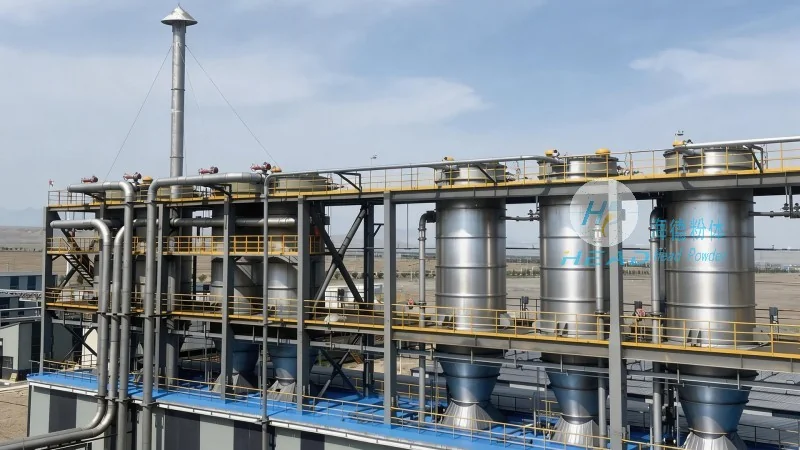
The operation of the magnesium silicate material handling equipment follows a systematic process that ensures efficient and safe material transport. The process begins with the loading of magnesium silicate into the feeding hopper. The material is then transferred from the hopper to the conveyor belt through the feeding mechanism. The conveyor belt, driven by the motor, moves the material along the designated path. The control unit monitors the speed and direction of the conveyor, ensuring that the material is transported to the desired destination without any blockages or inefficiencies. At the end of the conveyor path, the material is discharged into the receiving container. Throughout the operation, the system continuously monitors for any anomalies, such as overloading or material jams, and triggers appropriate safety measures to prevent equipment damage or material loss.
Working Principle: How It Operates Internally
The working principle of the magnesium silicate material handling equipment is based on mechanical and electrical systems that work together to achieve the desired material transport. The mechanical components, including the conveyor belt and feeding mechanism, are powered by an electric motor. The motor converts electrical energy into mechanical energy, which drives the conveyor belt and feeding system. The control unit, equipped with sensors and feedback mechanisms, continuously monitors the operational status of the equipment. These sensors detect parameters such as speed, load, and position, and send signals to the control unit. The control unit processes these signals and adjusts the motor's speed or direction as needed to maintain optimal operation. The system also includes safety features, such as emergency stop buttons and overload protection, to prevent accidents and ensure the safety of the operators and the equipment.
Benefits and Applications in Industrial Settings
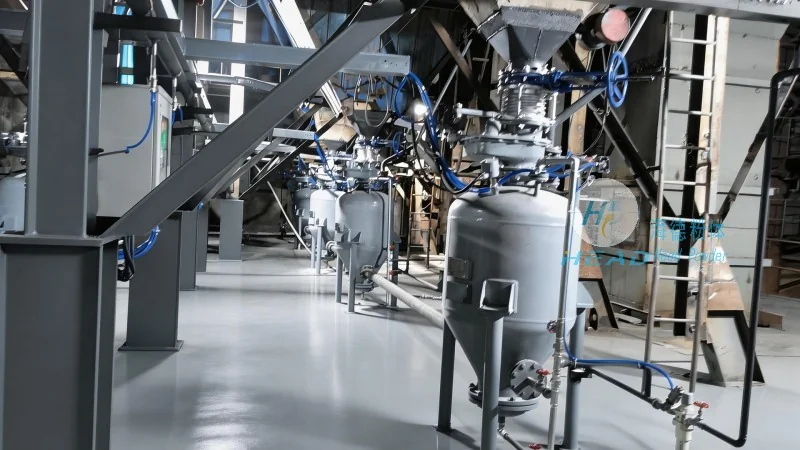
Our magnesium silicate material handling equipment offers several benefits that enhance operational efficiency and productivity in industrial settings. The equipment is designed to handle large volumes of magnesium silicate with minimal downtime, reducing the overall cost of material transport. The robust construction and durable materials used in the equipment ensure long-term reliability, even in harsh industrial environments. Additionally, the adjustable speed and direction controls allow for flexible operation, enabling the equipment to adapt to different production requirements. The equipment is widely used in various industries, including chemical processing, mining, and construction, where the efficient transport of magnesium silicate is critical for production processes. By using our equipment, industries can improve their material handling processes, reduce labor costs, and enhance overall operational efficiency.