

Operation Process and Working Principle of Fine Light Sand Material Handling Equipment
For industries dealing with fine light sand materials, efficient and reliable material handling equipment is crucial to ensure smooth production workflows. The operation process and working principle of such equipment are designed to optimize material transport, minimize downtime, and enhance overall operational efficiency. This article provides a detailed overview of the operational mechanics and functional principles of fine light sand material handling equipment, highlighting the key components and processes involved in its effective use.
Introduction to Fine Light Sand Material Handling Equipment
Fine light sand, often used in construction, foundry, and other industrial applications, requires specialized equipment for safe and efficient transport. The equipment designed for handling this type of material must address challenges such as dust control, material flow consistency, and equipment durability. Shandong HeadPowder Engineering Co., Ltd., a leading manufacturer in the field, offers advanced solutions tailored to meet these specific needs. With a focus on innovation and quality, the company's equipment is engineered to deliver reliable performance in demanding industrial environments.
Key Components of the Material Handling System
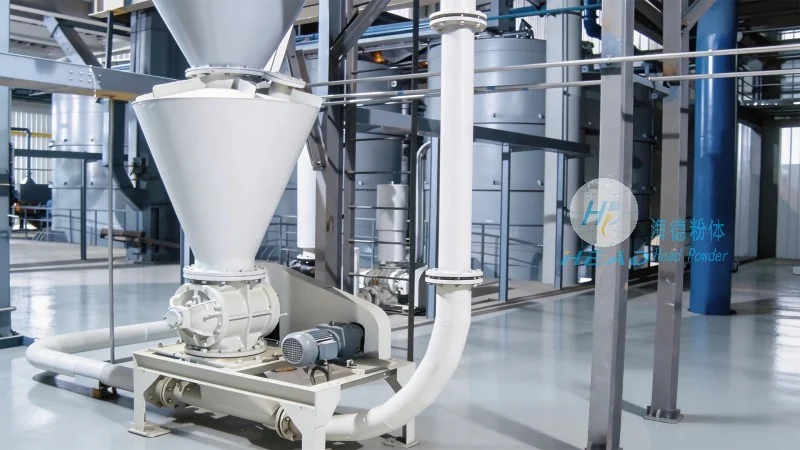
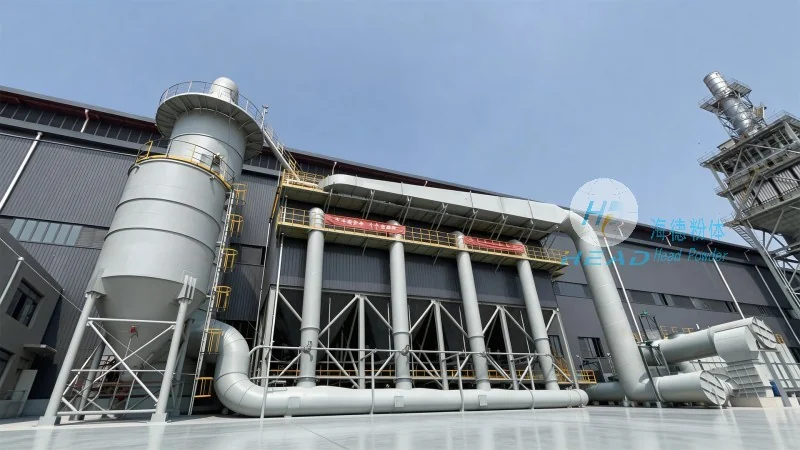
The fine light sand material handling system typically consists of several interconnected components that work in tandem to facilitate material transport. These components include feeders, conveyors, dust collection systems, and control units. Each component plays a critical role in the overall operation, ensuring that the material is moved safely and efficiently from the source to the destination. The feeders are responsible for uniformly distributing the fine light sand into the conveyor system, while the conveyors transport the material through the system. The dust collection systems are essential for maintaining air quality and preventing dust accumulation, which can affect both worker health and equipment performance.
Operation Process of the Equipment
The operation process of fine light sand material handling equipment begins with the loading of the material into the hopper or feeder. The feeder then regulates the flow of material into the conveyor, ensuring a consistent and controlled feed rate. The conveyor system, which may include belt conveyors, screw conveyors, or pneumatic conveyors depending on the application, transports the material through the system. As the material moves, it passes through the dust collection system, which captures any airborne particles and returns them to the conveyor for reintegration or disposal. The control unit monitors the entire process, adjusting parameters such as speed and flow rate as needed to maintain optimal performance. This integrated approach ensures that the material is handled with precision and minimal loss.
Working Principle of the Equipment
The working principle of fine light sand material handling equipment is based on mechanical and pneumatic systems that work together to transport the material. The mechanical components, such as conveyors and feeders, rely on motor-driven mechanisms to move the material along the system. The pneumatic components, if used, utilize air pressure to transport the material through pipes or ducts. The dust collection system operates on the principle of filtration, using filters to capture dust particles and return clean air to the environment. The control unit uses sensors and feedback mechanisms to monitor the system's performance and make real-time adjustments. This combination of mechanical and pneumatic systems, along with advanced control technology, enables the equipment to handle fine light sand with high efficiency and reliability.
Benefits of Using Fine Light Sand Material Handling Equipment
Implementing fine light sand material handling equipment offers several benefits for industrial operations. Firstly, it improves material flow efficiency, reducing the time and labor required for manual handling. Secondly, it enhances safety by minimizing exposure to dust and reducing the risk of accidents. Thirdly, it increases equipment lifespan by preventing material buildup and wear on components. Additionally, the automated control systems allow for precise material management, leading to better inventory control and reduced waste. For companies like Shandong HeadPowder Engineering Co., Ltd., these benefits translate into improved productivity and cost savings over the long term.
Application Examples and Industry Use Cases
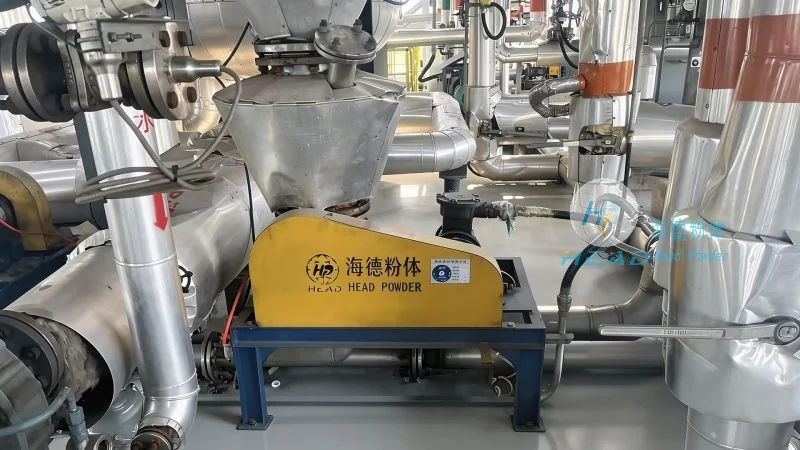
Fine light sand material handling equipment is widely used in various industries, including construction, foundry, and mining. In construction, it is used to transport sand for concrete mixing and other applications. In foundries, it is used to handle sand for mold making and casting processes. In mining, it is used to transport sand from extraction sites to processing facilities. The equipment's adaptability allows it to be customized for specific applications, ensuring optimal performance in each use case. For example, in a foundry, the equipment may be designed to handle high volumes of sand with minimal dust generation, while in a construction site, it may be used to transport sand for on-site mixing and placement. The versatility of the equipment makes it a valuable asset in many industrial settings.
Maintenance and Operational Considerations
To ensure the long-term performance and reliability of fine light sand material handling equipment, regular maintenance is essential. This includes cleaning the dust collection system, inspecting conveyor belts and components for wear, and checking the control unit for proper operation. Proper maintenance not only extends the equipment's lifespan but also ensures consistent performance and reduces the risk of breakdowns. Additionally, operators should be trained on the proper use of the equipment to prevent accidents and optimize its performance. By following recommended maintenance procedures and operational guidelines, companies can maximize the benefits of their fine light sand material handling equipment and maintain a safe and efficient production environment.