

Operation Process and Working Principle of Fine Gray Material Conveying
Efficient and reliable fine gray material conveying is crucial in various industrial applications, ensuring smooth material handling and process continuity. This article delves into the operation process and working principle of fine gray material conveying systems, highlighting the key components, mechanisms, and operational steps involved in such systems. The information presented here is based on the expertise of Shandong HeadPowder Engineering Co., Ltd., a leading provider in the field, with operations based in Shandong, China.
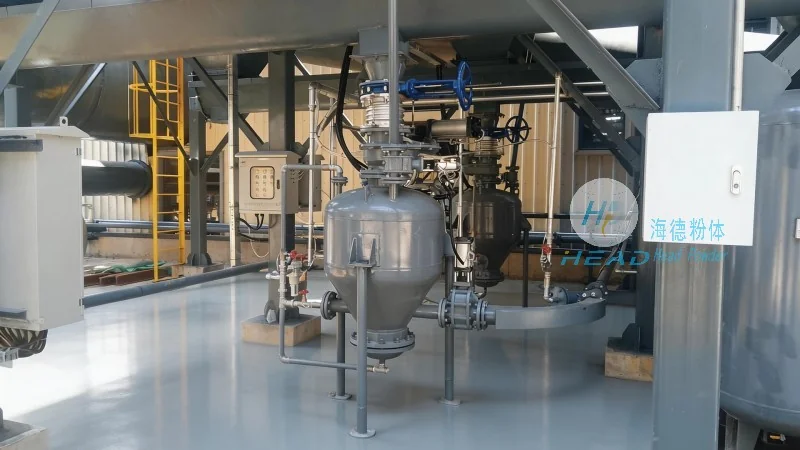
Overview of Fine Gray Material Conveying Systems
Fine gray material conveying systems are designed to transport fine, powdery, or granular materials with high precision and minimal loss. These systems are widely used in industries such as cement, chemical, and food processing, where the handling of fine materials requires specialized equipment to maintain product quality and operational efficiency. The core of these systems lies in the integration of various components that work in tandem to achieve consistent and controlled material movement.
Key Components and Working Principle
The working principle of fine gray material conveying systems typically involves the use of pneumatic or mechanical conveying methods, depending on the material properties and application requirements. A common setup includes a hopper for material storage, a feeding device to control the flow rate, a conveying line (often with ducts or pipes), and a receiver for the discharged material. The system operates by creating a pressure differential or using mechanical force to move the fine gray material from the source to the destination.
For pneumatic conveying, compressed air is used to generate a flow that carries the material particles through the ducts. The air velocity is carefully controlled to ensure that the material is suspended and transported without causing blockages or degradation. Mechanical conveying, on the other hand, relies on positive displacement pumps or screw conveyors to push the material through the system. Both methods are effective, but the choice depends on factors like material moisture content, particle size, and the distance to be covered.
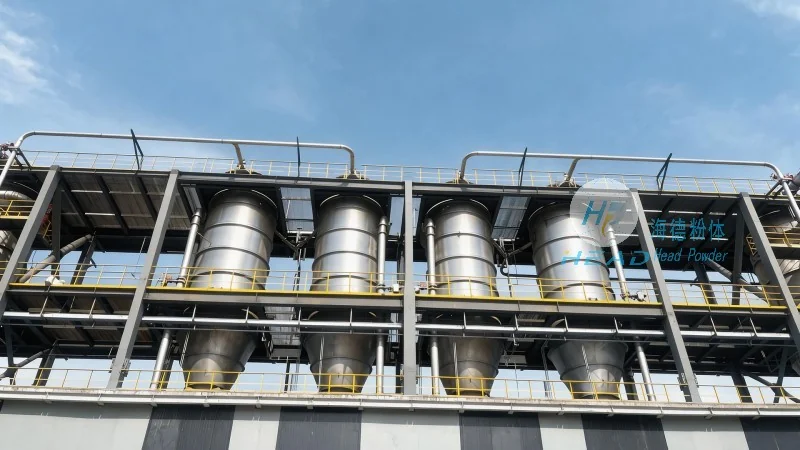
Operation Process: Step-by-Step
The operation process of a fine gray material conveying system involves several sequential steps that ensure the system runs smoothly and efficiently. The first step is material loading into the hopper, where the fine gray material is stored before being fed into the conveying system. The feeding device, such as a rotary valve or a star feeder, regulates the amount of material entering the conveying line, preventing overloading and maintaining a steady flow.
Once the material is fed into the conveying line, it is transported to the receiver. The system may include intermediate points for material sampling or processing, but the primary goal is to deliver the material to its final destination without loss or contamination. The control system, which monitors parameters like pressure, flow rate, and temperature, adjusts the operation in real-time to maintain optimal performance. For example, if the pressure in the conveying line drops, the system may increase the air supply or adjust the feeding rate to prevent blockages.
System Control and Maintenance
Effective control is essential for the reliable operation of fine gray material conveying systems. Modern systems are equipped with advanced control panels that allow operators to monitor and adjust various parameters. These controls may include pressure sensors, flow meters, and temperature indicators, providing real-time data on the system's performance. The control system ensures that the conveying process is consistent and that any deviations are quickly detected and corrected.
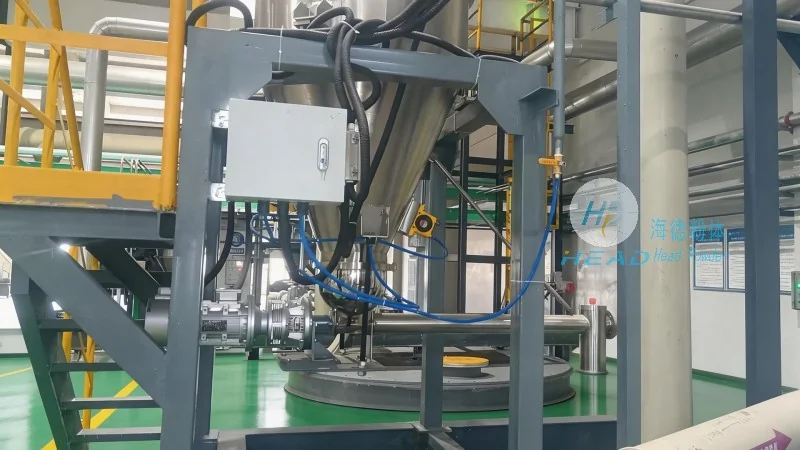
Maintenance is another critical aspect of ensuring the longevity and efficiency of fine gray material conveying systems. Regular inspections and cleaning of the hopper, feeding device, and conveying line are necessary to prevent material buildup and blockages. The system components, such as valves and pumps, should be checked for wear and tear and replaced as needed. Proper maintenance not only extends the system's lifespan but also reduces downtime and operational costs.
Applications and Benefits
Fine gray material conveying systems are used in a wide range of applications, from industrial production to material handling in various industries. The benefits of using such systems include improved material handling efficiency, reduced labor costs, and enhanced product quality. By ensuring consistent and controlled material movement, these systems help maintain process continuity and minimize material loss. The systems are also designed to be flexible, allowing for adjustments to accommodate different material types and operational requirements.
In conclusion, the operation process and working principle of fine gray material conveying systems are complex but essential for efficient industrial operations. With the expertise of companies like Shandong HeadPowder Engineering Co., Ltd., these systems can be tailored to meet specific application needs, ensuring reliable and effective material handling. The continuous improvement in technology and design has made fine gray material conveying systems more efficient and reliable, contributing to the overall productivity and success of industrial processes.