

Operation Process and Working Principle of Small Bag Quantitative Weighing Material Conveying
Shandong HeadPowder Engineering Co., Ltd., a leading manufacturer based in Shandong, China, specializes in providing advanced solutions for material handling and processing. The company's expertise lies in the development and implementation of efficient systems for small bag quantitative weighing and material conveying, which are critical components in various industrial applications. This article delves into the operation process and working principle of such systems, highlighting the technical aspects and practical applications that make them indispensable in modern production environments.
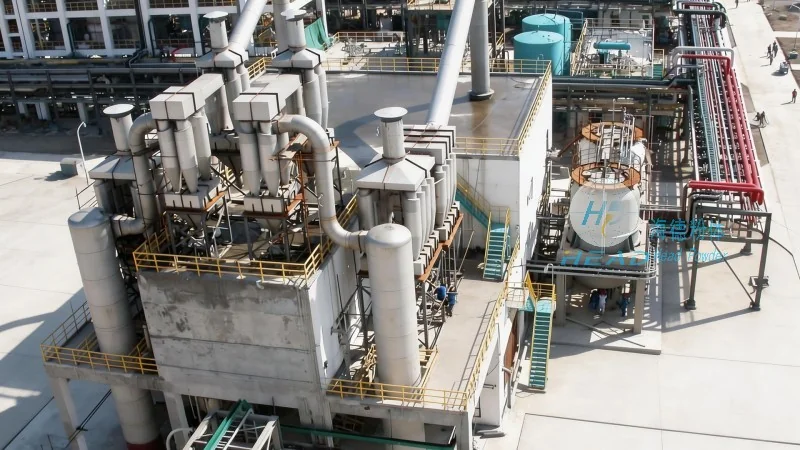
Overview of Small Bag Quantitative Weighing Material Conveying Systems
Small bag quantitative weighing material conveying systems are designed to handle bulk materials and package them into small bags with precise weight control. These systems are widely used in industries such as food processing, chemical manufacturing, and pharmaceuticals, where accuracy and efficiency are paramount. The system typically consists of several key components, including a hopper for material storage, a weighing scale for precise measurement, a conveyor for transporting the material, and a bagging unit for packaging. Each component works in tandem to ensure that the material is processed, weighed, and packaged according to the required specifications.
Key Components and Their Functions
The operation of a small bag quantitative weighing material conveying system relies on the coordinated function of multiple components. The hopper serves as the primary storage unit, holding the bulk material until it is ready for processing. It is equipped with a feeder that regulates the flow of material into the weighing scale. The weighing scale is the core of the system, responsible for accurately measuring the weight of the material being conveyed. Modern weighing scales use advanced load cells and digital displays to provide real-time weight data with high precision. The conveyor system then transports the material from the weighing scale to the bagging unit, ensuring a smooth and continuous flow. The bagging unit is responsible for filling the bags with the measured amount of material and sealing them for transport. Each component is designed to work seamlessly with the others, minimizing downtime and maximizing productivity.
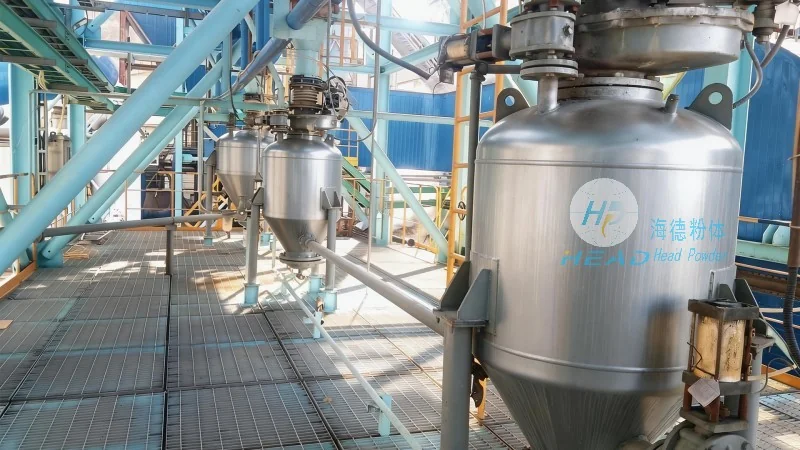
Operation Process of the System
The operation process of a small bag quantitative weighing material conveying system begins with the loading of the hopper with the bulk material. The feeder then starts to release the material into the weighing scale at a controlled rate. The weighing scale continuously measures the weight of the material as it accumulates, and once the target weight is reached, it sends a signal to the conveyor system to stop. The conveyor then transports the material to the bagging unit, where it is filled into the small bags. The bagging unit may include a sealing mechanism to ensure the bags are properly sealed before they are removed from the system. After the bagging process is complete, the system may reset and prepare for the next batch of material. This cycle repeats continuously, allowing for high-volume production with consistent quality.
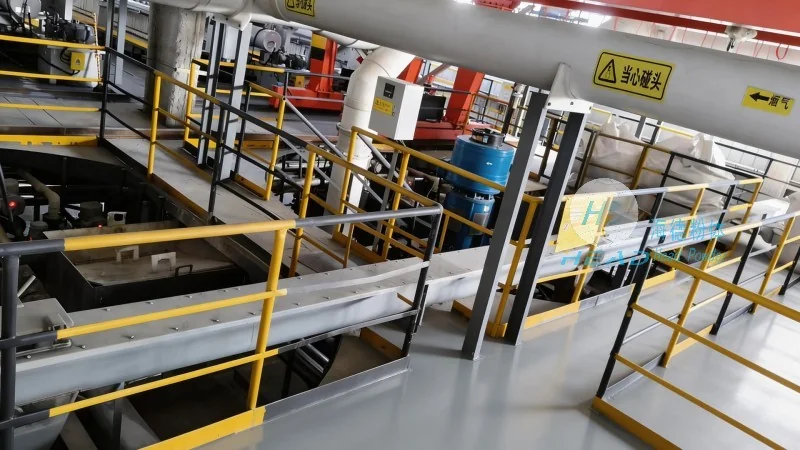
Working Principle of the System
The working principle of a small bag quantitative weighing material conveying system is based on the principles of mass measurement and material flow control. The system uses a combination of mechanical and electronic components to achieve precise weight measurement and automated material handling. The hopper and feeder work together to regulate the flow of material into the weighing scale, ensuring that the material is delivered at a consistent rate. The weighing scale uses load cells to convert the force exerted by the material into an electrical signal, which is then processed by a digital controller to determine the weight. The controller compares the measured weight with the target weight and adjusts the feeder speed accordingly to maintain the desired weight. The conveyor system is controlled by the same controller, which stops the conveyor when the target weight is reached. The bagging unit is also controlled by the system, which ensures that the bags are filled with the correct amount of material and sealed properly. This integrated control system allows for real-time monitoring and adjustment of the process, ensuring that the output meets the required specifications.
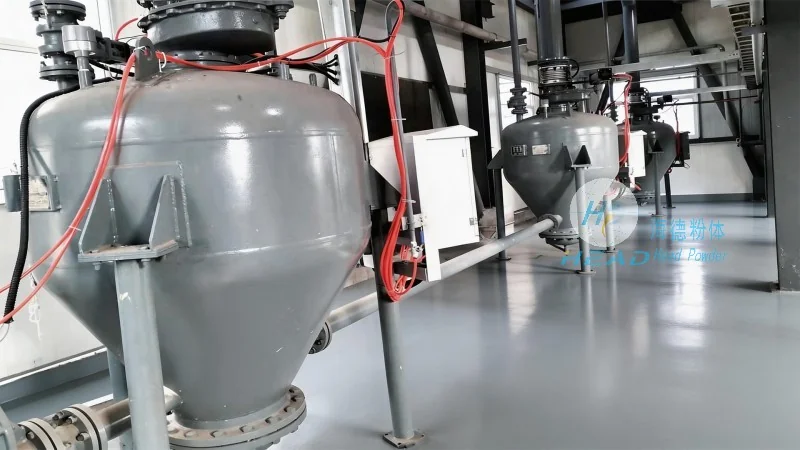
Advantages and Applications
Small bag quantitative weighing material conveying systems offer several advantages over traditional manual or semi-automated systems. These systems provide high accuracy and consistency in weight measurement, reducing the risk of overfilling or underfilling. They also increase production efficiency by automating the material handling and bagging processes, allowing for higher throughput and lower labor costs. The systems are versatile and can be adapted to handle a wide range of materials, including powders, granules, and liquids. They are commonly used in industries such as food processing, where product quality and safety are critical, and in chemical manufacturing, where precise dosing is required. The systems can also be integrated with other production equipment, such as mixers and blenders, to create a fully automated production line.
Conclusion
Small bag quantitative weighing material conveying systems are essential components in modern industrial production, providing efficient and accurate solutions for material handling and packaging. The operation process and working principle of these systems involve the coordinated function of multiple components, including hoppers, feeders, weighing scales, conveyors, and bagging units. By understanding the technical aspects and practical applications of these systems, industries can improve their production efficiency, reduce costs, and enhance product quality. Shandong HeadPowder Engineering Co., Ltd. continues to innovate and develop advanced solutions for material handling, ensuring that their systems meet the evolving needs of the industry.