

Operation Process and Working Principle of Corn Stalk Powder Conveying Machine
Shandong HeadPowder Engineering Co., Ltd., a leading manufacturer based in Shandong, China, specializes in the design and production of advanced agricultural machinery. Among their product line is the Corn Stalk Powder Conveying Machine, a specialized equipment engineered to efficiently handle and transport processed corn stalks into powder form. This machine is pivotal in modern agricultural processing, supporting the transition from raw biomass to refined powder for various applications such as animal feed, biofuel production, and industrial raw materials.
Key Components and Structure
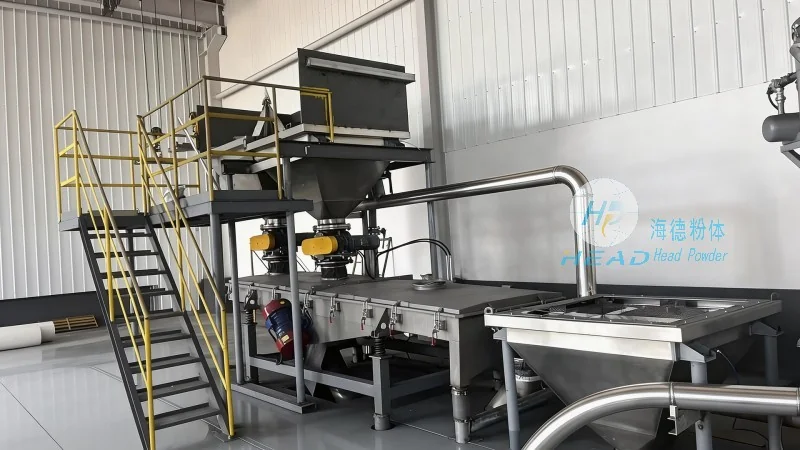
The Corn Stalk Powder Conveying Machine comprises several critical components that work in synergy to ensure optimal performance. The main body includes a hopper for material feeding, a grinding mechanism to convert stalks into fine powder, and a conveying system to transport the processed powder to storage or processing units. The hopper is designed with a large opening to accommodate bulk corn stalks, while internal baffles prevent material bridging and ensure uniform feeding. The grinding unit typically features high-speed rotating blades or a hammer mill configuration, which breaks down the stalks into smaller particles before further processing. The conveying system may incorporate screw conveyors, pneumatic ducts, or a combination of both, depending on the specific model and application requirements. Each component is constructed from durable materials, such as stainless steel and high-strength alloys, to withstand the abrasive nature of corn stalks and prolonged operational use.
Operation Process
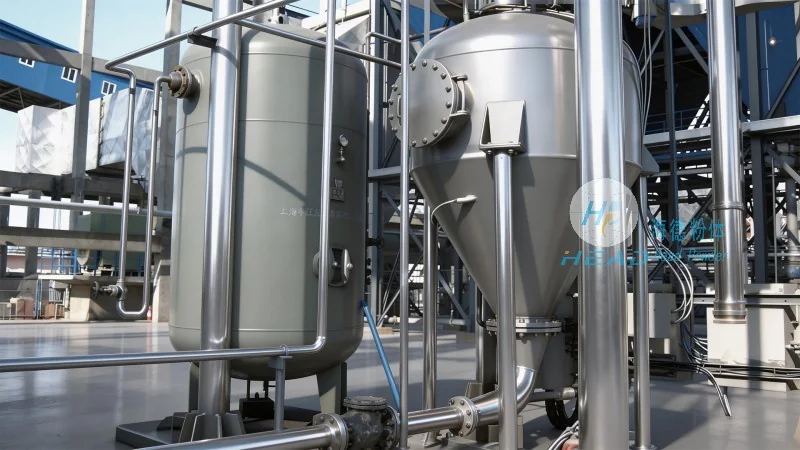
The operation of the Corn Stalk Powder Conveying Machine follows a systematic sequence to achieve efficient material handling. Initially, raw corn stalks are loaded into the hopper. As the machine operates, the feeding mechanism (often a screw or rotary valve) moves the material into the grinding chamber. The grinding mechanism then processes the stalks, reducing them to fine powder. Simultaneously, the conveying system begins to transport the powder from the grinding area to the discharge outlet. The discharge outlet is typically equipped with a control valve to regulate the flow rate of the powder, ensuring a steady output. The entire process is automated, with sensors monitoring key parameters like material level, grinding speed, and conveyor speed to maintain consistent performance. Operators can adjust settings via an integrated control panel, allowing for flexibility in production based on demand or material characteristics.
Working Principle
The working principle of the Corn Stalk Powder Conveying Machine is rooted in mechanical energy conversion and material flow dynamics. The machine utilizes mechanical energy from rotating components to break down corn stalks into powder. The grinding mechanism, for instance, employs high-speed rotation to generate kinetic energy that shatters the stalks' cellular structure. This mechanical action is complemented by the conveying system, which uses either gravitational force (in screw conveyors) or air pressure (in pneumatic systems) to move the powder. The combination of grinding and conveying ensures that the material is both reduced in size and transported efficiently. The system also incorporates air filtration and dust collection mechanisms to maintain a clean working environment and prevent dust accumulation, which is crucial for both operational safety and product quality. By integrating these principles, the machine achieves high throughput while maintaining the quality of the final powder product.
Advantages and Applications
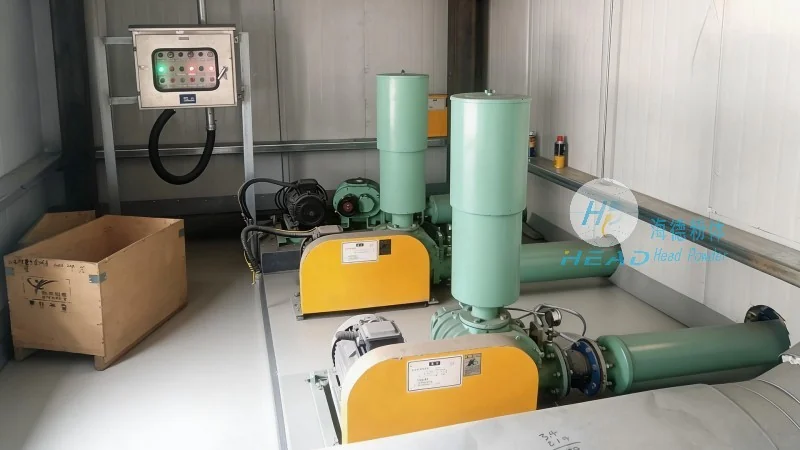
The Corn Stalk Powder Conveying Machine offers several advantages that make it a preferred choice in agricultural processing. Its high efficiency in converting raw corn stalks into powder reduces processing time and labor costs. The durable construction ensures long-term reliability, minimizing downtime and maintenance expenses. The machine's modular design allows for easy integration into existing production lines, making it adaptable to various scales of operation. Additionally, the automated control system enhances operational safety and consistency, reducing the risk of human error. In terms of applications, the processed powder is widely used in animal feed production, where it serves as a nutrient-rich component. It is also utilized in biofuel manufacturing, contributing to sustainable energy solutions. Furthermore, the powder can be used as an industrial raw material in the production of paper, textiles, and other products, expanding the economic value of agricultural waste.