

Operation Process and Working Principle of Electrode Carbon Black Purification Ash Pneumatic Conveyi
The electrode carbon black purification ash pneumatic conveying line is a specialized system designed for the efficient handling and transportation of ash generated during the carbon black purification process in the electrode industry. This system integrates advanced pneumatic conveying technology with robust engineering solutions to ensure safe, reliable, and high-efficiency material transport. As a key component in industrial material handling, it plays a crucial role in optimizing production workflows and maintaining operational efficiency in carbon black manufacturing facilities.
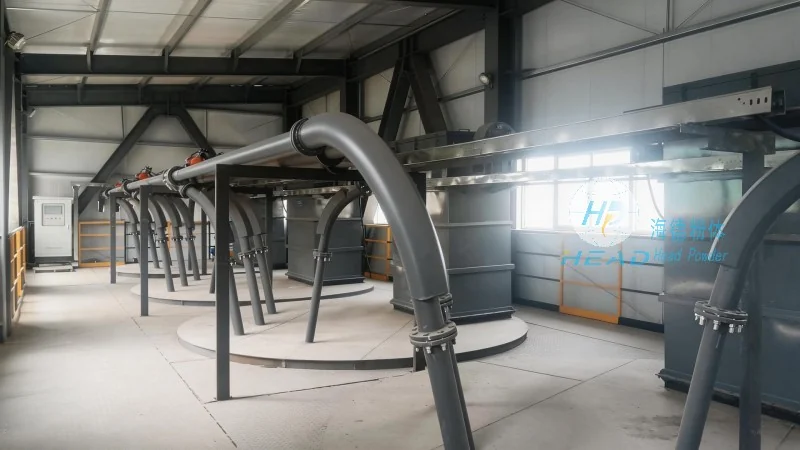
Company Overview: Shandong HeadPowder Engineering Co., Ltd.
HeadPowder, the professional manufacturer behind this advanced pneumatic conveying line, is a leading company in the field of powder processing and material handling solutions. With years of experience and a strong commitment to innovation, HeadPowder specializes in developing customized systems tailored to the unique needs of industrial clients. The company’s headquarters is located in Shandong, China, where it leverages local expertise and resources to deliver high-quality engineering services and products. HeadPowder’s team of engineers and technicians is dedicated to providing reliable solutions that enhance operational performance and reduce downtime for clients across various industries.
Key Components of the Pneumatic Conveying Line
The pneumatic conveying line for electrode carbon black purification ash typically consists of several critical components that work in tandem to achieve efficient material transport. These components include a dust collector, a material hopper, a rotary valve, a conveying pipeline, and a receiver or discharge unit. Each component is carefully designed to ensure optimal performance and durability under demanding industrial conditions.
The dust collector is responsible for capturing and filtering the ash particles, preventing dust emissions and maintaining a clean working environment. The material hopper serves as a storage container, holding the ash before it is fed into the conveying system. The rotary valve acts as a controlled gate, regulating the flow of ash from the hopper into the pipeline. The conveying pipeline, often made of stainless steel or other corrosion-resistant materials, transports the ash through the system under pressure. Finally, the receiver or discharge unit collects the ash at the destination point, completing the transportation process.
Working Principle of the Pneumatic Conveying System
The operation of the electrode carbon black purification ash pneumatic conveying line is based on the principles of pneumatic transport, which utilizes air flow to move solid materials through a pipeline. The system operates by creating a pressure differential between the material source and the destination. Air is introduced into the pipeline, creating a flow that carries the ash particles along with it. The pressure and flow rate are carefully controlled to ensure that the ash is transported efficiently without causing blockages or excessive wear on the system components.
During the process, the ash is drawn from the material hopper by the rotary valve and introduced into the conveying pipeline. The air flow then propels the ash particles through the pipeline to the receiver. The system may use either positive pressure (blowing air into the pipeline) or negative pressure (sucking air from the pipeline) depending on the specific application and system design. Positive pressure systems are commonly used for long-distance or high-capacity transport, while negative pressure systems are often preferred for applications requiring minimal dust emission and environmental protection.
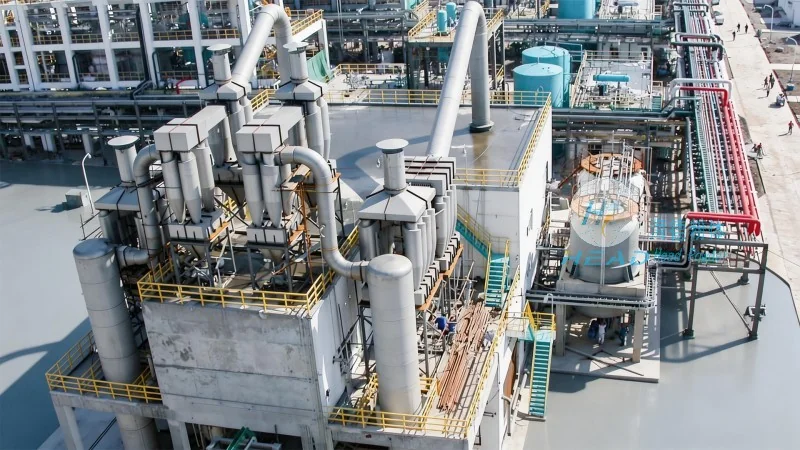
Operation Process of the Pneumatic Conveying Line
The operation of the electrode carbon black purification ash pneumatic conveying line involves several sequential steps that ensure smooth and continuous material transport. The process begins with the ash being collected from the carbon black purification process and stored in the material hopper. Once the hopper is filled, the rotary valve opens, allowing the ash to be fed into the conveying pipeline under controlled conditions.
Simultaneously, the dust collector is activated to maintain a clean environment by capturing any airborne particles. The conveying pipeline is pressurized with air, which creates the necessary flow to move the ash from the source to the destination. The receiver at the end of the pipeline collects the ash, completing the transportation cycle. The system may include sensors and control mechanisms to monitor the flow rate, pressure, and other parameters, ensuring that the operation remains stable and efficient.
Advantages of the Pneumatic Conveying Line
The electrode carbon black purification ash pneumatic conveying line offers several advantages over traditional material handling methods. One of the primary benefits is the ability to transport ash over long distances without the need for mechanical components like conveyors or elevators. This reduces the risk of material degradation and minimizes the risk of equipment failure. Additionally, the system is highly flexible, allowing for easy integration with existing production lines and adaptation to changing production requirements.
Another key advantage is the improved safety and environmental performance. The enclosed pipeline system prevents dust emissions, reducing the risk of respiratory hazards and environmental contamination. The system also reduces the need for manual handling, minimizing the risk of workplace injuries. Furthermore, the pneumatic conveying line is energy-efficient, as it uses compressed air to transport materials, which can be more cost-effective than other methods in the long run.
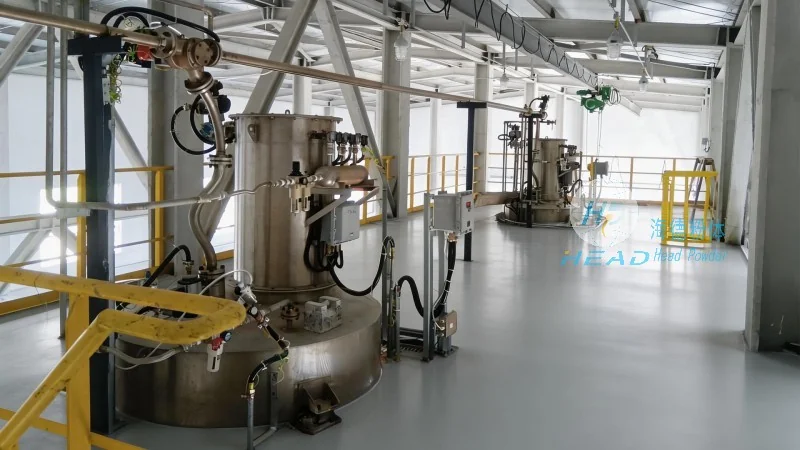
Application and Customization
The electrode carbon black purification ash pneumatic conveying line is widely used in the electrode industry, particularly in facilities that produce carbon black for industrial applications. The system can be customized to meet the specific requirements of different clients, including variations in material type, flow rate, and distance. HeadPowder, as the manufacturer, offers tailored solutions that are designed to optimize performance and meet the unique needs of each client.
Customization options may include adjustments to the pipeline diameter, the type of air compressor used, and the control system. The company’s engineering team works closely with clients to understand their operational needs and design a system that maximizes efficiency and reliability. This approach ensures that the pneumatic conveying line is not only effective but also cost-effective and easy to maintain.
Maintenance and Troubleshooting
To ensure the long-term performance and reliability of the electrode carbon black purification ash pneumatic conveying line, regular maintenance is essential. HeadPowder recommends a preventive maintenance schedule that includes inspections of all components, cleaning of the dust collector and pipeline, and replacement of worn parts. Regular maintenance helps to prevent system failures and minimize downtime, ensuring that the production process remains uninterrupted.
In case of operational issues, such as blockages or pressure drops, the system may include diagnostic tools and alarms to alert operators. Troubleshooting procedures are typically included in the system documentation and can be used to identify and resolve issues quickly. HeadPowder provides technical support and maintenance services to assist clients in maintaining their pneumatic conveying lines and ensuring optimal performance.
Conclusion
The electrode carbon black purification ash pneumatic conveying line is a sophisticated and efficient solution for handling ash in the electrode industry. By leveraging advanced pneumatic conveying technology, this system ensures safe, reliable, and high-performance material transport. HeadPowder, with its expertise and commitment to quality, provides customized solutions that meet the unique needs of industrial clients. The system’s advantages, including long-distance transport, reduced dust emissions, and energy efficiency, make it an ideal choice for modern carbon black manufacturing facilities. With proper maintenance and operation, the pneumatic conveying line can provide years of reliable service, contributing to the overall productivity and success of the client’s operations.