

Operation Process and Working Principle of Coke Limestone Powder Pneumatic Conveying Line
HeadPowder, a leading provider in the field of material handling solutions, specializes in the design, manufacturing, and installation of advanced pneumatic conveying systems. Our company, Shandong HeadPowder Engineering Co., Ltd., is headquartered in Shandong, China, and has established a strong reputation for delivering high-quality, efficient, and reliable equipment tailored to the needs of various industrial sectors. This article focuses on the operation process and working principle of a coke and limestone powder pneumatic conveying line, highlighting the key components, operational procedures, and technical aspects that ensure optimal performance.
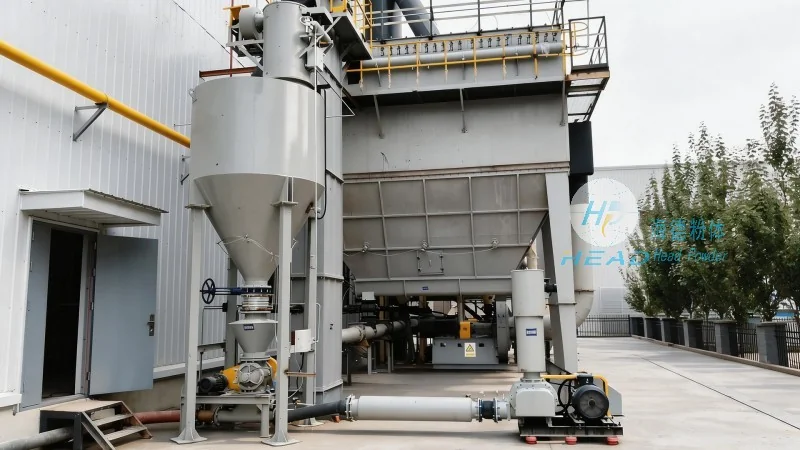
Introduction to the Coke and Limestone Powder Pneumatic Conveying Line
The coke and limestone powder pneumatic conveying line is a sophisticated system designed to transport fine powders such as coke and limestone from storage silos or processing units to the desired destination, typically in steelmaking or cement production facilities. This system leverages the principles of pneumatic conveying, where compressed air or gas is used to move the material through a pipeline network. The design of the system is critical to ensure efficient material transfer, minimize dust emissions, and maintain product quality throughout the process.
Key Components of the Pneumatic Conveying System
The coke and limestone powder pneumatic conveying line consists of several essential components that work in tandem to achieve the desired material transport. These components include the material feed hopper, the air compressor or blower, the conveying pipeline, the control valves, the dust collection system, and the discharge unit. Each component plays a vital role in the overall operation of the system, and their proper integration is crucial for reliable performance.
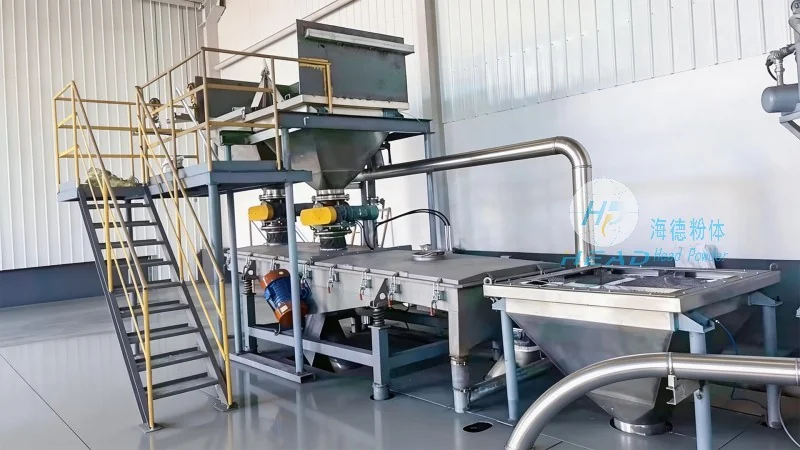
Operation Process of the Pneumatic Conveying Line
The operation process of the coke and limestone powder pneumatic conveying line begins with the loading of the material into the feed hopper. The material is then fed into the conveying pipeline under the pressure of compressed air generated by the air compressor. The compressed air creates a flow that propels the powder particles through the pipeline, ensuring a continuous and stable transport. The system is equipped with control valves that regulate the air flow and material feed rate, allowing for precise control over the conveying process. The discharge unit at the end of the pipeline collects the material and delivers it to the final destination, such as a storage silo or a processing unit. Throughout the operation, the dust collection system captures any airborne particles, preventing contamination and maintaining a clean working environment.
Working Principle of the Pneumatic Conveying System
The working principle of the coke and limestone powder pneumatic conveying line is based on the fundamental concept of fluidization and suspension of the powder particles in the air stream. When compressed air is introduced into the conveying pipeline, it creates a low-pressure zone that draws the powder from the feed hopper into the pipeline. The air velocity is maintained at a level sufficient to keep the powder particles suspended, preventing them from settling or clogging the pipeline. The system operates under either positive pressure (where air is forced through the pipeline) or negative pressure (where air is drawn out of the pipeline), depending on the specific design and application requirements. The choice of pressure type influences the system's efficiency, material handling capacity, and overall cost.
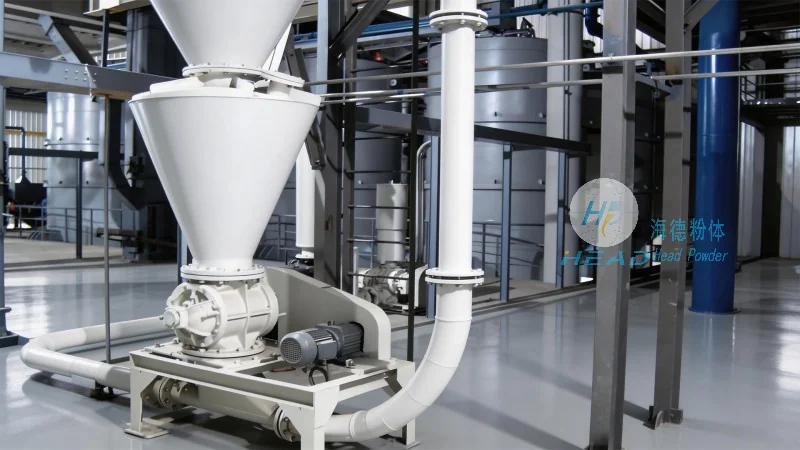
Advantages of the Pneumatic Conveying Line
The coke and limestone powder pneumatic conveying line offers several advantages over traditional mechanical conveying methods. These include the ability to transport fine powders over long distances without the need for intermediate transfer points, reduced risk of material contamination due to enclosed pipelines, and lower maintenance requirements compared to mechanical systems. Additionally, the system can be easily integrated with other industrial processes, providing flexibility and adaptability to changing production needs. The use of compressed air also allows for precise control over the material flow rate, ensuring consistent product quality and minimizing waste.
Applications and Industries
The coke and limestone powder pneumatic conveying line is widely used in various industrial applications, particularly in the steel and cement industries. In steelmaking, coke is used as a fuel and reducing agent in blast furnaces, and the pneumatic conveying system ensures efficient delivery of coke from storage to the furnace. In cement production, limestone is a key raw material, and the system facilitates the transport of limestone powder from quarries or storage facilities to the cement kilns. The system's ability to handle fine powders and maintain product integrity makes it an ideal solution for these demanding applications.
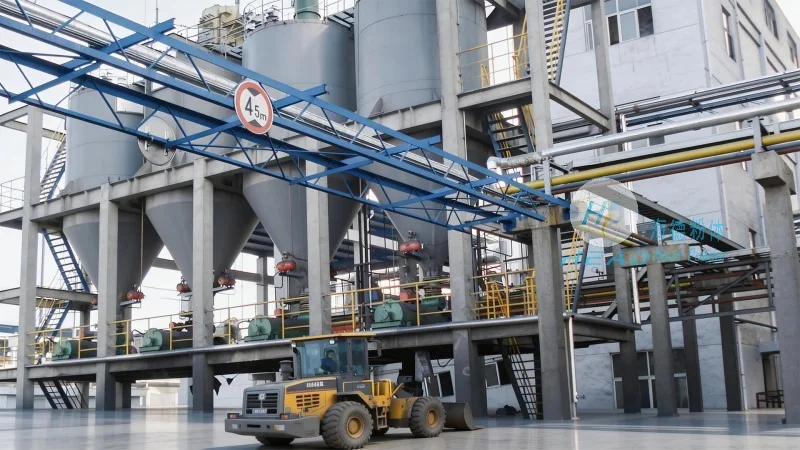
Maintenance and Operational Considerations
To ensure the long-term reliability and efficiency of the coke and limestone powder pneumatic conveying line, regular maintenance and proper operational considerations are essential. This includes monitoring the air compressor performance, checking the condition of the conveying pipeline for any signs of wear or clogging, and maintaining the dust collection system to prevent dust accumulation. Additionally, the system should be operated within the specified parameters, such as air pressure and material feed rate, to avoid overloading or underloading the system. Proper training of operators and regular inspection of all components are crucial for preventing breakdowns and ensuring safe operation.
Conclusion
In conclusion, the coke and limestone powder pneumatic conveying line is a highly effective and efficient system for transporting fine powders in industrial applications. The operation process and working principle of the system are based on the integration of key components and the application of pneumatic conveying technology. With proper design, installation, and maintenance, this system can deliver reliable performance, minimize material loss, and maintain product quality. HeadPowder, as a leading provider in this field, continues to innovate and develop advanced solutions to meet the evolving needs of the industrial sector.