

Operation Process and Working Principle of Quartz Sand Powder Pneumatic Conveying Lines
Quartz sand powder pneumatic conveying lines are essential equipment in various industrial applications, particularly in the processing and transportation of fine powders like quartz sand. These systems efficiently handle the movement of dry materials through an air-based system, offering advantages such as low maintenance, flexibility, and the ability to transport materials over long distances without the need for mechanical components. The operation process and working principle of these lines are critical for understanding their functionality and ensuring optimal performance in industrial settings.
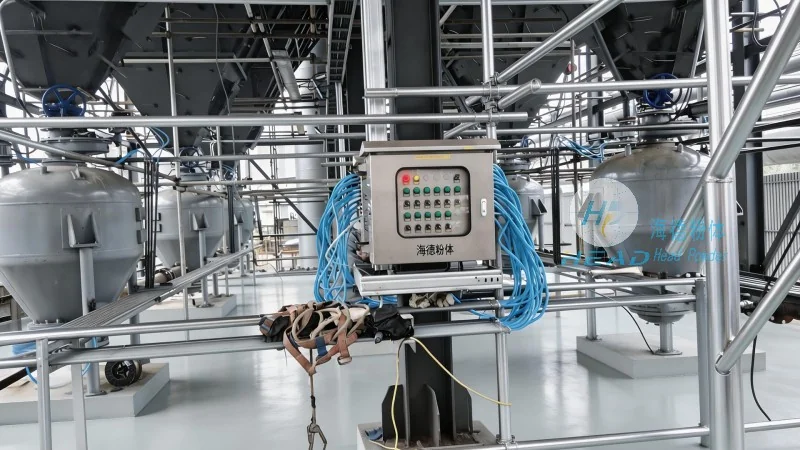
Introduction to HeadPowder Engineering and Quartz Sand Powder Pneumatic Conveying Systems
HeadPowder, a leading manufacturer based in Shandong, China, specializes in the design, manufacturing, and installation of advanced pneumatic conveying systems tailored for diverse industrial needs. With a strong focus on precision engineering and customer-centric solutions, HeadPowder Engineering Co., Ltd. has established itself as a trusted partner in the field of material handling. The company's expertise lies in developing customized quartz sand powder pneumatic conveying lines that meet the specific requirements of clients across various sectors, including construction, glass manufacturing, and chemical processing.
Key Components of Quartz Sand Powder Pneumatic Conveying Lines
The core components of a quartz sand powder pneumatic conveying line include the hopper, feeder, conveying pipeline, air compressor, and receiver. The hopper serves as the storage container for the quartz sand powder, ensuring a consistent supply of material. The feeder, typically a rotary valve or a screw feeder, regulates the flow of powder into the conveying line, preventing blockages and maintaining a steady feed rate. The conveying pipeline, usually made of stainless steel or other corrosion-resistant materials, transports the powder and air mixture. The air compressor generates the necessary pressure to move the material through the pipeline, while the receiver collects the conveyed powder at the destination point. Each component plays a vital role in the overall efficiency and reliability of the system.
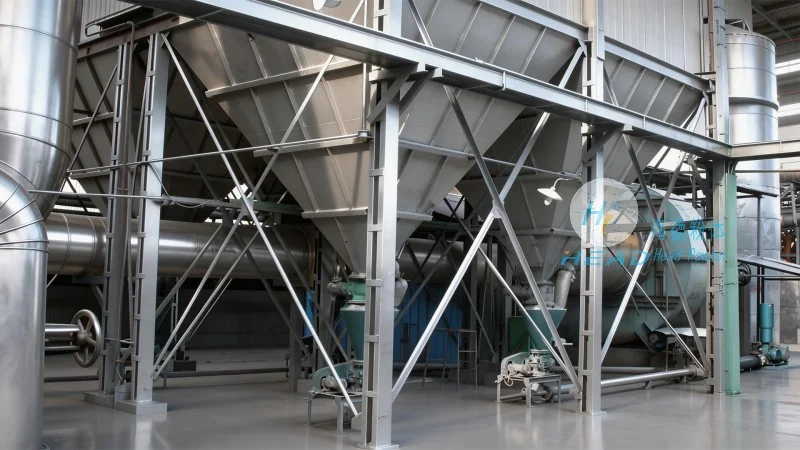
Operation Process of Quartz Sand Powder Pneumatic Conveying Lines
The operation process of quartz sand powder pneumatic conveying lines involves several sequential steps. First, the quartz sand powder is loaded into the hopper from a storage silo or bulk container. The feeder then starts to discharge the powder into the conveying pipeline at a controlled rate. Simultaneously, the air compressor activates, generating compressed air that is introduced into the pipeline. The compressed air creates a flow that carries the powder particles along the pipeline, forming a dense or dilute phase conveying system depending on the system design and operational parameters. The powder is transported to the receiver, where the air is separated from the material, typically through a cyclone or a filter system. The separated air is then discharged back into the system or released to the atmosphere, while the quartz sand powder is collected in the receiver for further processing or use. This continuous cycle ensures the efficient and uninterrupted transportation of the material.
Working Principle of Quartz Sand Powder Pneumatic Conveying Lines
The working principle of quartz sand powder pneumatic conveying lines is based on the fundamental concept of fluidization and particle transport using air as the conveying medium. The system operates by creating a pressure differential between the hopper and the receiver, which drives the movement of the powder. In dense phase conveying, the air velocity is relatively low, and the powder particles move in a plug flow, maintaining close contact with the pipeline walls. This method is suitable for handling abrasive or sensitive materials like quartz sand, as it minimizes particle degradation and reduces wear on the equipment. In dilute phase conveying, the air velocity is higher, and the powder is suspended in the air stream, allowing for faster transportation over longer distances. The choice between dense and dilute phase depends on factors such as material characteristics, pipeline length, and desired throughput. The air compressor provides the necessary energy to overcome the frictional losses in the pipeline and maintain the flow of the powder-air mixture. The receiver and separation system are crucial for recovering the powder and recycling the air, ensuring energy efficiency and minimal waste.
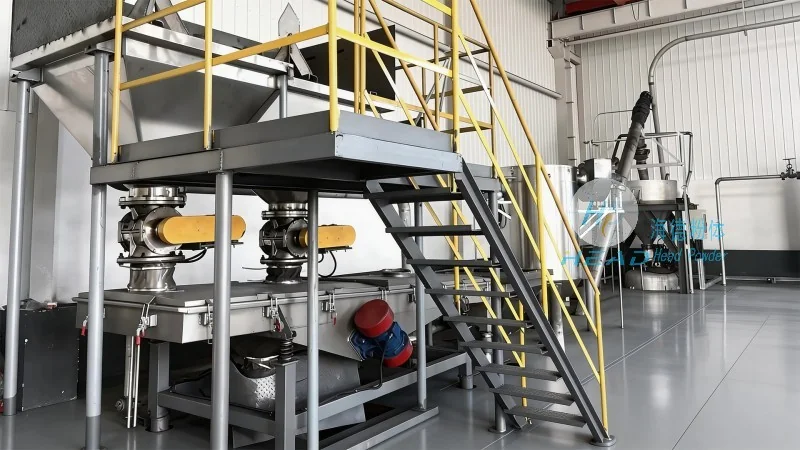
Advantages and Applications of Quartz Sand Powder Pneumatic Conveying Lines
Quartz sand powder pneumatic conveying lines offer several advantages over traditional mechanical conveying methods. These include reduced labor costs, as the system operates automatically with minimal human intervention. The absence of moving parts in the conveying pipeline minimizes maintenance requirements and extends the service life of the equipment. Additionally, the system is flexible and can be easily reconfigured to accommodate changes in production needs or material types. The ability to transport materials over long distances without the need for intermediate storage or handling points enhances operational efficiency. In terms of applications, these systems are widely used in the glass industry for transporting quartz sand to furnaces, in construction for delivering sand to mixing plants, and in chemical processing for handling fine powders in production lines. The versatility of quartz sand powder pneumatic conveying lines makes them suitable for a wide range of industrial applications where efficient and reliable material handling is essential.
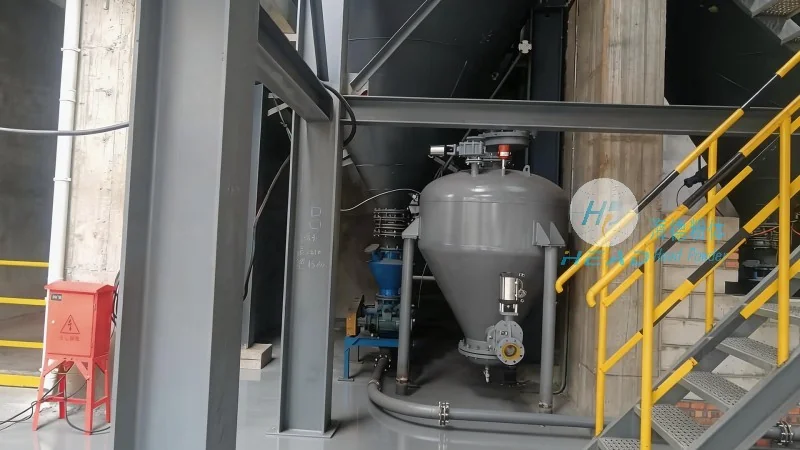
Maintenance and Operational Considerations for Quartz Sand Powder Pneumatic Conveying Lines
Proper maintenance and operational considerations are critical for ensuring the long-term performance and reliability of quartz sand powder pneumatic conveying lines. Regular inspection of the hopper and feeder for material buildup or blockages is essential to prevent system downtime. The air compressor and associated components should be checked for proper lubrication and pressure levels to maintain optimal performance. The conveying pipeline should be inspected for signs of wear or corrosion, particularly in areas where abrasive quartz sand particles may cause damage. The receiver and separation system should be cleaned regularly to prevent clogging and ensure efficient powder recovery. Operational parameters such as air pressure, flow rate, and material feed rate should be monitored and adjusted as needed to maintain consistent performance. Proper training of operators on the system's operation and maintenance procedures is also important to minimize the risk of accidents and ensure safe and efficient operation. By following these guidelines, users can maximize the lifespan and efficiency of their quartz sand powder pneumatic conveying lines, reducing operational costs and improving overall productivity.
Conclusion
Quartz sand powder pneumatic conveying lines are advanced and efficient systems for transporting fine powders like quartz sand in various industrial applications. HeadPowder Engineering Co., Ltd., based in Shandong, China, specializes in the design and manufacturing of these systems, providing customized solutions tailored to the specific needs of clients. The operation process and working principle of these lines involve a series of components and steps that work together to ensure reliable and efficient material handling. With proper maintenance and operational considerations, these systems can deliver long-term performance and contribute to increased productivity in industrial settings. As a leading manufacturer in the field, HeadPowder continues to innovate and improve its pneumatic conveying systems, meeting the evolving needs of the industry and providing high-quality solutions for material handling challenges.