

Operation Process and Working Principle of Resin Pellet Pneumatic Conveying Lines
Resin pellet pneumatic conveying lines are sophisticated systems designed to transport resin pellets efficiently and reliably. These systems are widely used in the plastics manufacturing industry, offering a solution for moving resin from storage to processing equipment without the need for mechanical components like belts or chains. The operation of such lines involves a combination of air pressure, vacuum, or a combination of both to move the material through a pipeline network. This article delves into the detailed operation process and working principles of resin pellet pneumatic conveying lines, highlighting the key components, the flow mechanisms, and the operational considerations that ensure optimal performance. The systems are engineered by Shandong HeadPowder Engineering Co., Ltd., a leading manufacturer specializing in pneumatic conveying solutions for the plastics industry.
Key Components of Resin Pellet Pneumatic Conveying Systems
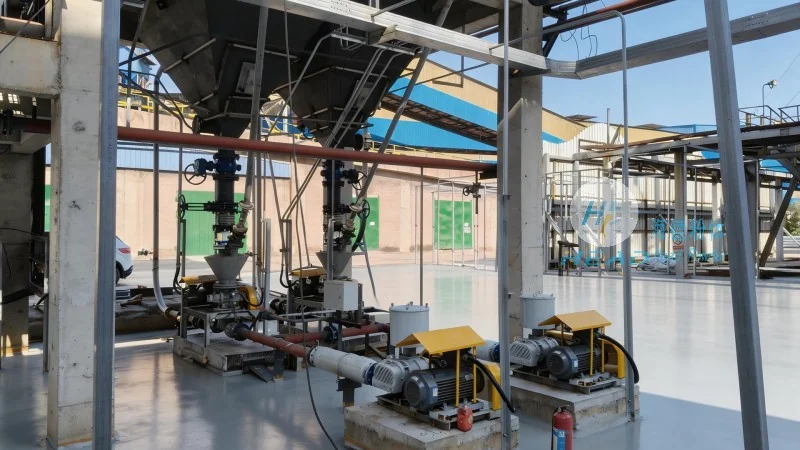
The effectiveness of a resin pellet pneumatic conveying line is largely dependent on its well-designed components. Each part plays a crucial role in the overall system performance. The primary components include the hopper or storage bin, the feeder, the conveying line itself, the air mover (either a blower or a vacuum pump), and the control system. The hopper is where the resin pellets are stored, and it is equipped with a feeder that regulates the flow of pellets into the system. The feeder ensures a consistent and controlled discharge of material, preventing overloading or underloading of the conveying line. The conveying line, typically made of stainless steel or other corrosion-resistant materials, is designed to withstand the abrasive nature of resin pellets and the pressure differentials involved in the conveying process. The air mover is the heart of the system, providing the necessary air pressure or vacuum to move the pellets through the line. It can be a positive displacement blower or a vacuum pump, depending on the specific application and the required conveying distance and material characteristics. The control system monitors and regulates the operation of the feeder and the air mover, ensuring that the system operates within safe and efficient parameters.
Working Principle of Pneumatic Conveying
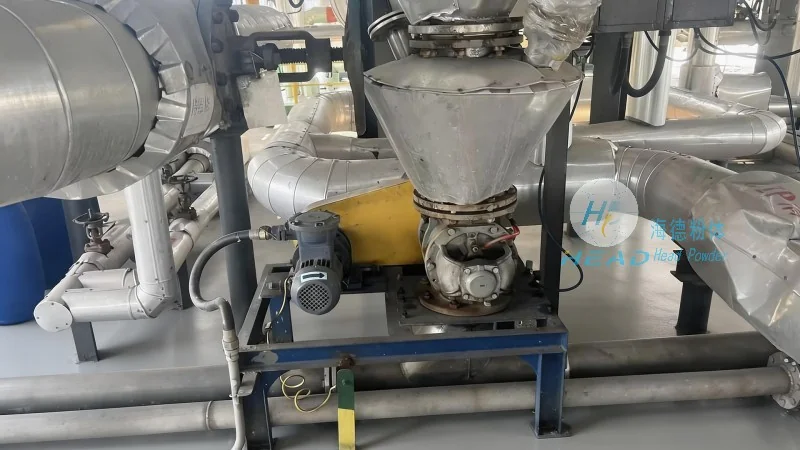
The working principle of resin pellet pneumatic conveying lines is based on the movement of material using air as the conveying medium. There are two main types of pneumatic conveying systems: pressure systems and vacuum systems. In a pressure system, the air mover is located at the discharge end of the line, creating positive pressure that pushes the material forward. The material is introduced into the line at the inlet, and the air flow carries the pellets along the pipeline. The pressure drop along the line is managed by the system design, ensuring that the material reaches the destination without excessive pressure loss. In a vacuum system, the air mover is located at the inlet, creating a negative pressure that draws the material into the line. The material is fed into the inlet, and the vacuum pulls the pellets along the pipeline towards the discharge point. The choice between pressure and vacuum systems depends on factors such as the conveying distance, the material's properties, and the desired system layout. Both systems rely on the principle of air flow to transport the resin pellets, with the air acting as a carrier that suspends the pellets and moves them through the pipeline.
Operation Process of Resin Pellet Pneumatic Conveying Lines
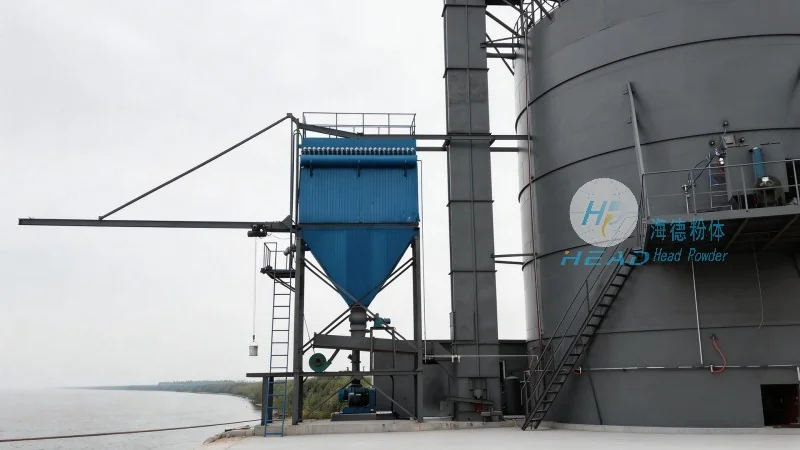
The operation process of a resin pellet pneumatic conveying line involves several sequential steps. First, the resin pellets are loaded into the hopper or storage bin. The feeder then regulates the flow of pellets from the hopper into the conveying line. The air mover is activated, either by creating positive pressure or vacuum, depending on the system type. The pellets are introduced into the line at the inlet, and the air flow carries them along the pipeline. The system monitors the flow rate and pressure differentials to ensure that the pellets are conveyed efficiently and without blockages. The control system adjusts the feeder speed and air mover output as needed to maintain a consistent flow. The pellets are discharged at the destination point, such as a processing machine or a storage tank. The entire process is automated, with the control system managing the operation to ensure safety and efficiency. Regular maintenance is required to keep the system in optimal condition, including cleaning the hopper, checking the feeder, and inspecting the air mover and conveying line for any signs of wear or damage.
Benefits and Applications of Resin Pellet Pneumatic Conveying Lines
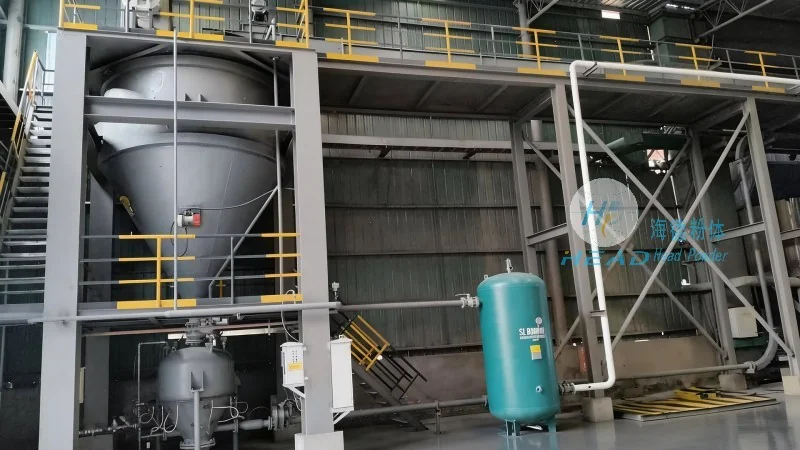
Resin pellet pneumatic conveying lines offer several benefits over traditional mechanical conveying systems. They are more hygienic and cleaner, as there are no moving parts that can introduce contaminants into the material. The system is also more flexible, as it can be easily reconfigured to change the conveying route or destination. The operation is more efficient, as the system can handle high volumes of material with minimal energy consumption. Resin pellet pneumatic conveying lines are widely used in the plastics industry for transporting various types of resin pellets, including polyethylene, polypropylene, and polystyrene. They are also used in other industries, such as food processing and pharmaceuticals, where the material needs to be handled in a clean and controlled environment. The systems are suitable for both short and long conveying distances, making them a versatile solution for various applications.