

Operation Process and Working Principle of Furfural Residue Pneumatic Conveying System
HeadPowder, a professional engineering company based in Shandong, China, specializes in the design, manufacturing, and installation of advanced pneumatic conveying systems. With a focus on industrial applications, the company provides customized solutions for various bulk material handling needs, including the efficient transport of furfural residue and other industrial byproducts. The company’s headquarters is located in Shandong, China, where it leverages local resources and expertise to deliver high-quality engineering services.
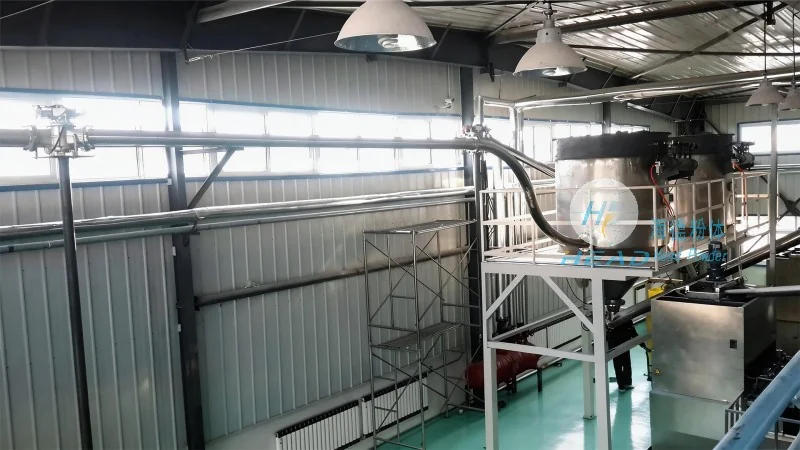
Pneumatic Conveying System for Furfural Residue
The furfural residue pneumatic conveying system is a specialized equipment designed to handle the transportation of furfural residue, a byproduct commonly generated in the furfural production process. This system utilizes air as the conveying medium to transport the residue from the production site to the designated storage or processing facilities. The system is engineered to ensure efficient, reliable, and safe material transport, minimizing the risk of material loss and environmental contamination. Key components of the system include the material feed hopper, air compressor, conveying pipeline, and control system, all working in tandem to achieve optimal performance.
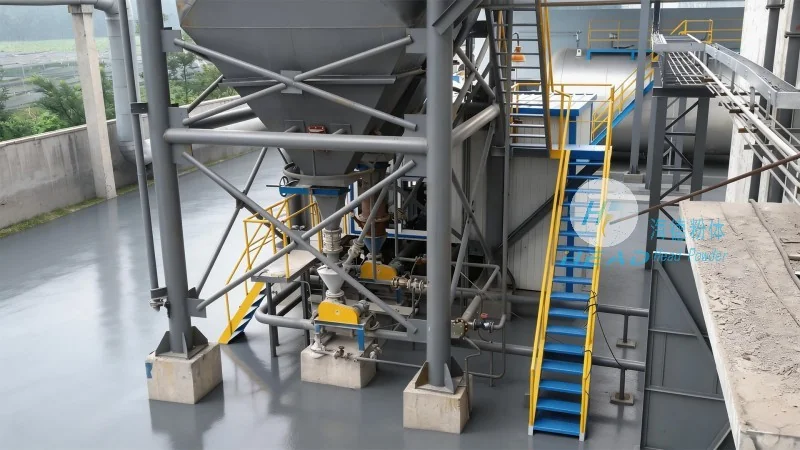
Operation Process of the Furfural Residue Pneumatic Conveying System
The operation process of the furfural residue pneumatic conveying system involves several key steps. First, the furfural residue is fed into the material hopper from the production line. The hopper is equipped with a feeder that controls the flow rate of the material into the system. Simultaneously, the air compressor starts and generates high-pressure air, which is then introduced into the conveying pipeline. The air and material mixture is then transported through the pipeline to the receiving hopper or storage tank. The control system monitors the pressure, flow rate, and material level in real-time, ensuring that the operation remains stable and efficient. When the material reaches the destination, the air flow is adjusted or stopped, and the material is discharged into the receiving container. The system operates continuously, with regular maintenance checks to ensure optimal performance and longevity.
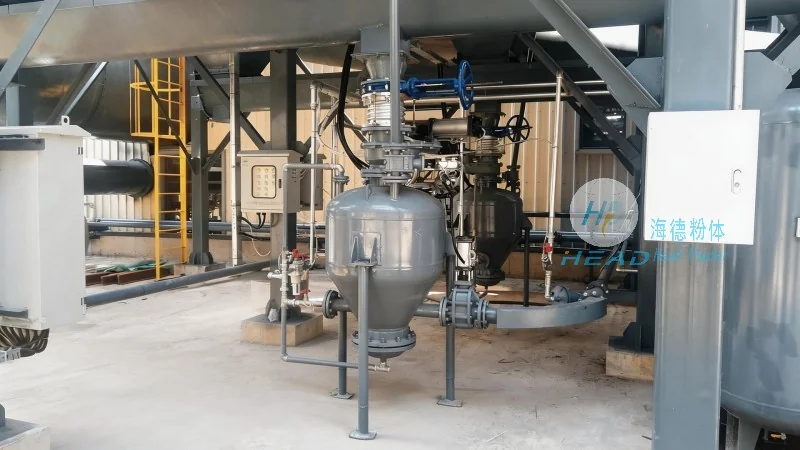
Working Principle of the Furfural Residue Pneumatic Conveying System
The working principle of the furfural residue pneumatic conveying system is based on the principles of pneumatic transport, where air is used as the conveying medium to move bulk materials. The system operates by creating a pressure differential between the material feed point and the discharge point. The air compressor provides the necessary pressure to overcome the resistance in the pipeline and move the material. The material is entrained by the high-velocity air stream, forming a slurry or dilute phase flow, which is then transported through the pipeline. The conveying pipeline is typically made of corrosion-resistant materials, such as stainless steel or polyethylene, to withstand the chemical properties of the furfural residue. The system may use either positive pressure or negative pressure (vacuum) to transport the material, depending on the specific application and distance. The control system regulates the air pressure and flow rate to maintain consistent material transport and prevent blockages or system failures.
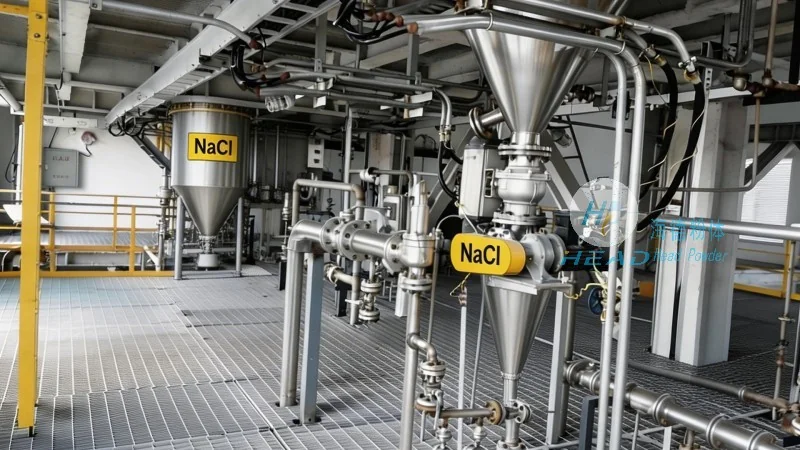
Technical Advantages of the System
The furfural residue pneumatic conveying system offers several technical advantages over traditional mechanical conveying methods. Firstly, it eliminates the need for moving parts in the conveying line, reducing maintenance requirements and increasing system reliability. Secondly, the system provides a dust-free and clean transport environment, which is crucial for industrial applications where material contamination must be minimized. Thirdly, the system can handle a wide range of material properties, including varying particle sizes and moisture content, making it suitable for diverse furfural residue compositions. Additionally, the system is energy-efficient, as it uses air as the primary conveying medium, which is more cost-effective compared to mechanical systems that rely on motors and belts. The modular design of the system allows for easy expansion or modification, enabling companies to adapt to changing production needs without significant capital investment.