

Operation Process and Working Principle of Biomass Pneumatic Conveying Systems
At Shandong HeadPowder Engineering Co., Ltd., we specialize in the design, manufacturing, and implementation of advanced biomass pneumatic conveying systems. Our systems are engineered to efficiently transport biomass materials such as wood chips, sawdust, and agricultural residues over long distances with minimal energy consumption and operational complexity. This article explores the operational process and underlying working principles of these systems, providing a comprehensive understanding for potential users and industry professionals.
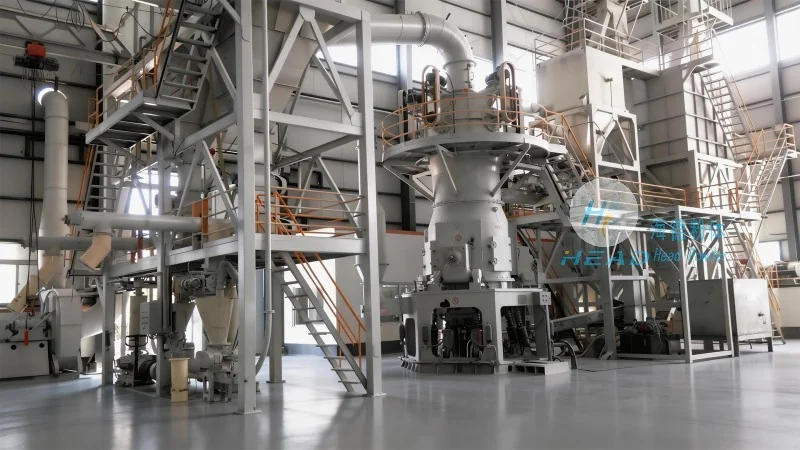
Overview of Biomass Pneumatic Conveying Systems
Biomass pneumatic conveying systems are a critical component in modern biomass processing facilities, enabling the reliable and efficient movement of bulk biomass materials from storage areas to processing units or end-use applications. Unlike traditional mechanical conveyors, which rely on mechanical components like belts or screws, pneumatic systems utilize compressed air to transport materials through a pipeline network. This approach offers several advantages, including reduced maintenance, lower capital costs for long-distance transport, and the ability to handle a wide variety of biomass feedstocks with varying moisture content and particle sizes.
Key Components of a Biomass Pneumatic Conveying System
At the core of any pneumatic conveying system are several key components that work in tandem to ensure smooth operation. These include the material hopper or feeder, which holds the biomass and regulates the flow into the system; the air compressor or blower, which generates the necessary pressure to move the material; the conveying pipeline, which transports the biomass-air mixture; and the receiver or discharge hopper, where the material is deposited. Additionally, control valves, filters, and safety devices are integrated to manage system pressure, prevent material blockages, and ensure safe operation.
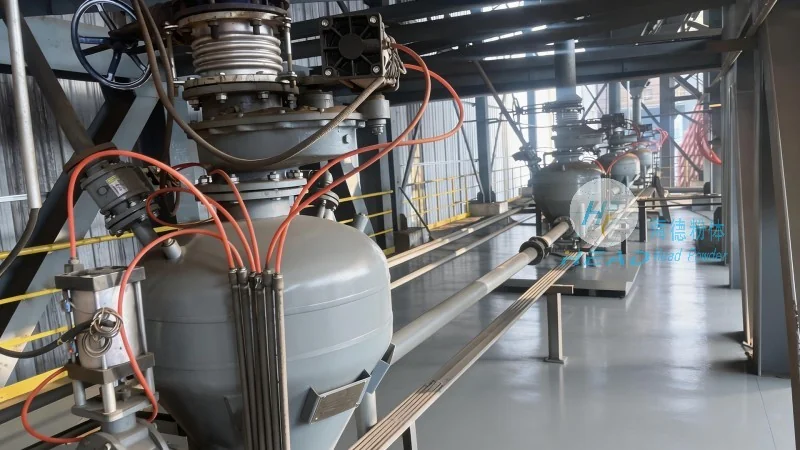
The Working Principle: How Biomass is Transported
The fundamental principle of pneumatic conveying is the use of compressed air to create a flow that entrains the biomass particles and propels them through the pipeline. There are two primary types of pneumatic conveying systems: dilute-phase and dense-phase. Dilute-phase systems operate at higher air velocities, typically 20-30 m/s, and are suitable for short to medium distances and fine particles. Dense-phase systems, on the other hand, operate at lower air velocities (5-15 m/s) and higher material concentrations, making them ideal for long-distance transport and larger particles.
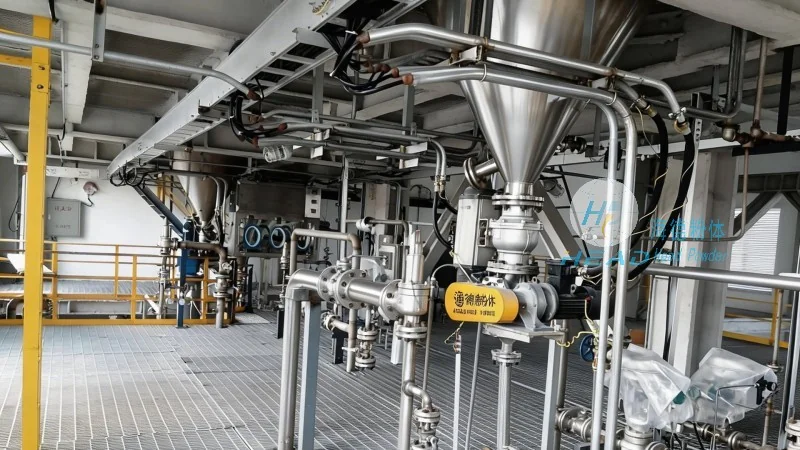
Operational Process: Step-by-Step Execution
The operational process of a biomass pneumatic conveying system involves several sequential steps that ensure consistent and efficient material transport. First, the biomass is loaded into the material hopper. The feeder then regulates the flow rate, ensuring a steady supply of material into the system. Simultaneously, the air compressor generates compressed air, which is introduced into the conveying pipeline at the inlet. As the compressed air mixes with the biomass particles, it creates a slurry-like mixture that is propelled forward by the air pressure. The mixture travels through the pipeline, overcoming friction and gravity, until it reaches the receiver or discharge point. At the discharge end, the air is separated from the biomass, often through a cyclone or filter, and the biomass is collected in the receiver hopper. The separated air is then returned to the system or released, completing the cycle.
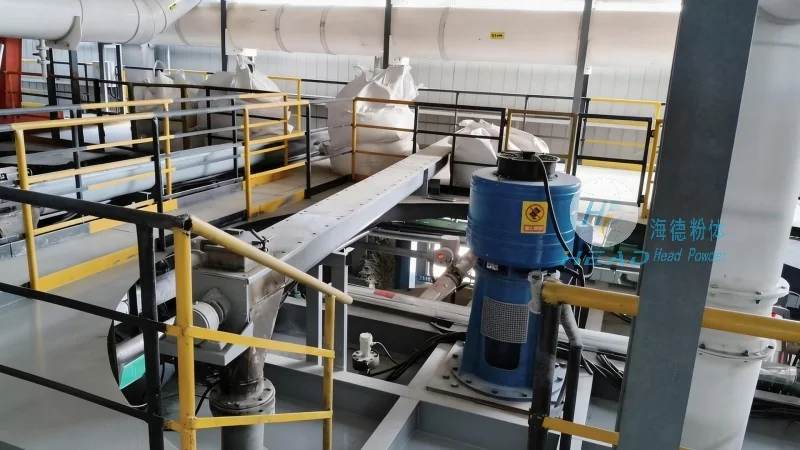
Advantages and Applications
Biomass pneumatic conveying systems offer numerous advantages over traditional mechanical conveyors, making them a preferred choice for many industries. These include lower maintenance costs due to fewer moving parts, the ability to handle abrasive or corrosive materials without wear, and the flexibility to transport materials over long distances without the need for intermediate transfer points. The systems are widely used in biomass power plants, biofuel production facilities, and agricultural processing plants, where the efficient transport of raw materials is critical to overall operational efficiency.
Conclusion and Company Expertise
Shandong HeadPowder Engineering Co., Ltd. is a leading provider of biomass pneumatic conveying systems, leveraging decades of experience and advanced engineering to deliver high-performance solutions tailored to the unique needs of each client. Our systems are designed to maximize efficiency, minimize downtime, and ensure safe, reliable operation, helping our customers achieve their production goals while adhering to industry standards and best practices. With a commitment to innovation and customer satisfaction, HeadPowder continues to set the benchmark for biomass handling technology.