

Principle and Working Scene Characteristics of Pneumatic Conveying Equipment for Hot Dry Ash Materia
Hot dry ash, a byproduct from thermal power plants and industrial furnaces, requires efficient and reliable handling systems to ensure safe and effective transport. Pneumatic conveying equipment has emerged as a critical solution for managing this material, offering advantages in terms of safety, flexibility, and operational efficiency. This article explores the fundamental principles behind such systems and highlights the key characteristics of their application in various working scenarios.
Company Profile: HeadPowder
HeadPowder, operating as Shandong HeadPowder Engineering Co., Ltd., is a leading provider of specialized engineering solutions for material handling and processing. With a focus on innovation and customer-centric design, the company has established itself as a trusted partner in the industrial sector, particularly in the development of advanced pneumatic conveying systems tailored to challenging material properties like hot dry ash. HeadPowder’s headquarters is located in Shandong, China, where the company leverages local expertise and resources to deliver high-quality, customized equipment solutions.
The Principle of Pneumatic Conveying for Hot Dry Ash
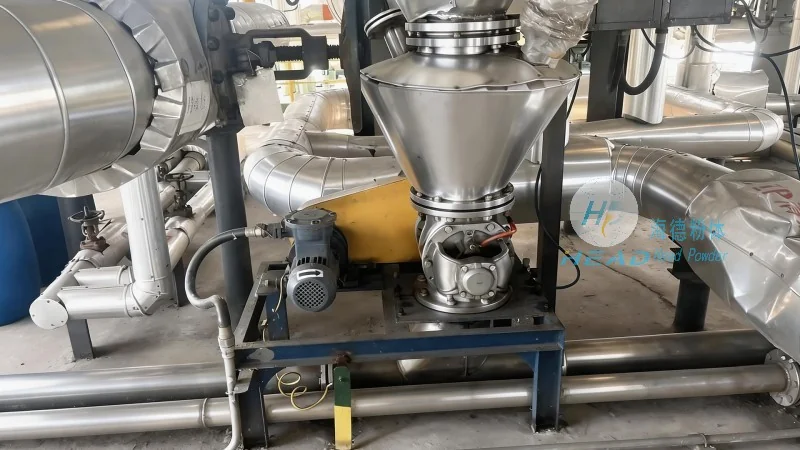
Pneumatic conveying systems operate by transporting bulk materials through a pipeline using a gas stream, typically air or other gases. For hot dry ash, which is characterized by its high temperature and potentially abrasive nature, the design of the conveying equipment must address specific challenges to ensure optimal performance. The core principle involves creating a pressure differential within the pipeline, either by generating positive pressure at the inlet (positive pressure conveying) or by creating a vacuum at the outlet (negative pressure conveying). In the case of hot dry ash, positive pressure systems are often preferred due to their ability to handle high-temperature materials without compromising the integrity of the conveying line. The system typically consists of a hopper, a rotary airlock feeder, a conveying line, and a receiver, with the air flow controlled by a blower or fan. The hot dry ash is fed into the hopper, where it is mixed with the air stream, and then transported through the pipeline to the receiver. The temperature of the ash is maintained within safe limits by the air flow, which also helps to prevent caking and blockages in the system.
Working Scene Characteristics of Pneumatic Conveying Systems
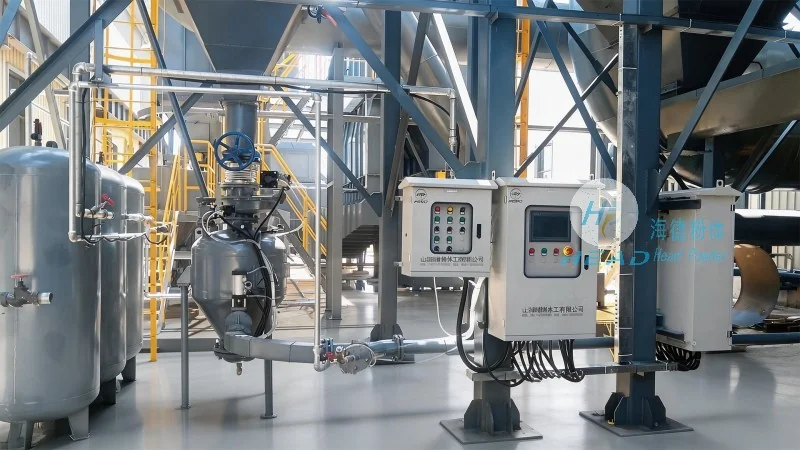
The application of pneumatic conveying equipment for hot dry ash varies across different industrial settings, each presenting unique requirements and operational conditions. Understanding these characteristics is essential for selecting the appropriate system and ensuring its effective integration into existing processes.
Firstly, in thermal power plants, where hot dry ash is generated as a byproduct of coal combustion, the conveying system must be capable of handling large volumes of material at high temperatures. The system is typically integrated with the boiler and ash handling infrastructure, with the receiver located at a designated disposal or processing site. The design of the conveying line and components must withstand the thermal stress and potential corrosion from the ash, ensuring long-term reliability. HeadPowder’s systems are engineered to meet these demands, with materials of construction such as stainless steel and heat-resistant alloys to protect against the harsh environment.
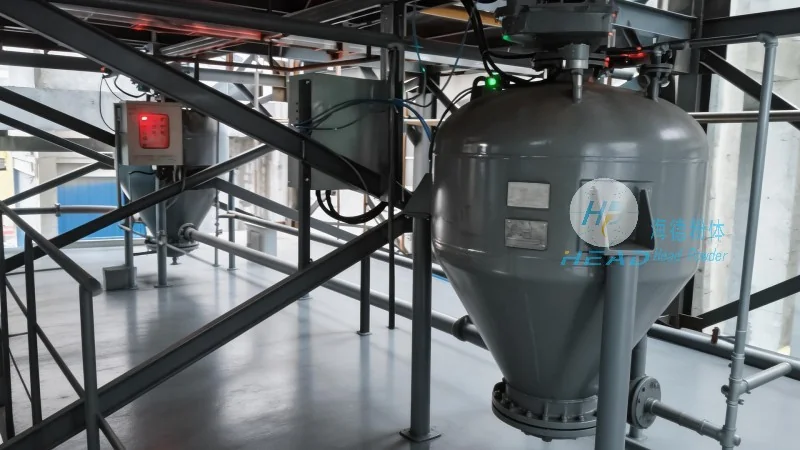
Secondly, in industrial facilities that process hot dry ash for reuse or disposal, the conveying system plays a crucial role in transporting the material to processing units or storage areas. The system must be flexible enough to handle varying ash compositions and temperatures, while maintaining consistent flow rates. The use of positive pressure conveying in these applications helps to prevent dust emissions and maintain a clean working environment. HeadPowder’s systems incorporate advanced control mechanisms, such as variable frequency drives (VFDs) and pressure sensors, to optimize the conveying process and minimize energy consumption.
Thirdly, in scenarios where the hot dry ash is transported over long distances or through complex layouts, the system must be designed for durability and efficiency. The pipeline layout, including bends and vertical sections, is carefully engineered to minimize pressure losses and prevent material deposition. The use of high-efficiency blowers and optimized air flow rates ensures that the material is conveyed smoothly and without blockages. HeadPowder’s expertise in system design allows for the development of customized solutions that address the specific constraints of each working environment, such as limited space or challenging terrain.