

Principle and Working Scene Characteristics of Denitrization Fly Ash Pneumatic Conveying Equipment
Denitrization fly ash, a byproduct of flue gas desulfurization and denitrification processes in thermal power plants, requires efficient handling and transportation. The pneumatic conveying system designed by Shandong HeadPowder Engineering Co., Ltd. addresses this challenge by providing a reliable method for transporting denitrization fly ash. This equipment is engineered to handle the specific properties of fly ash, including its fine particle size and potential moisture content, ensuring optimal performance in industrial applications.
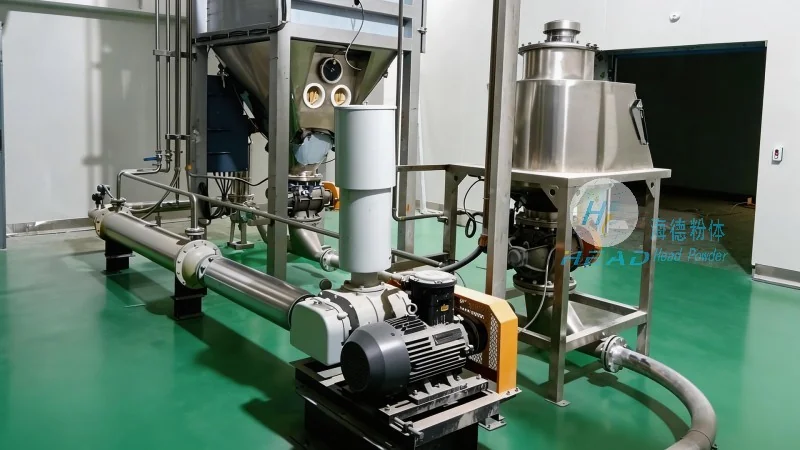
Principle of Pneumatic Conveying for Denitrization Fly Ash
The core principle of the pneumatic conveying system involves the use of compressed air to transport solid materials through a pipeline. In the case of denitrization fly ash, the system operates by creating a pressure differential between the inlet and outlet of the conveying line. Compressed air is introduced at the material feed point, where the fly ash is introduced into the pipeline. The air flow generates sufficient velocity to entrain the fly ash particles, carrying them through the pipeline to the discharge point. The system utilizes a combination of positive and negative pressure zones to control the flow and ensure consistent material transport. Key components include the material feeder, air compressor, conveying pipeline, and discharge valve, all working in tandem to achieve efficient and continuous operation.
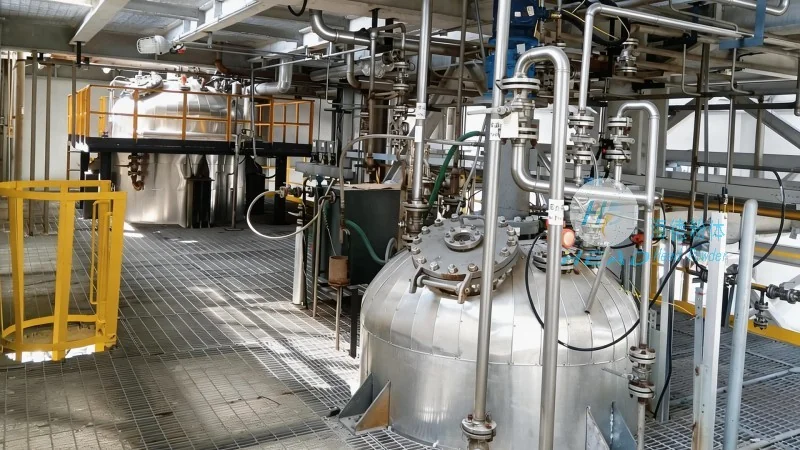
Working Scene Characteristics and Application Advantages
The pneumatic conveying equipment for denitrization fly ash is particularly suited for industrial environments where space is limited or where traditional bulk handling methods are impractical. Its advantages include the ability to transport materials over long distances without the need for multiple transfer points, reducing the risk of material spillage and contamination. The system is also highly adaptable to varying material flow rates, making it suitable for both continuous and intermittent operation. Additionally, the enclosed pipeline design minimizes dust emissions, contributing to better workplace safety and environmental compliance. In applications such as power plant ash handling, the equipment ensures that denitrization fly ash is transported from the denitrification unit to storage or disposal facilities efficiently and safely.
Technical Specifications and Performance Parameters
Shandong HeadPowder Engineering Co., Ltd. designs its denitrization fly ash pneumatic conveying systems with a focus on performance and durability. The equipment is typically constructed from corrosion-resistant materials, such as stainless steel, to withstand the acidic and abrasive nature of fly ash. The air compressor is selected based on the required conveying capacity, with options ranging from low-pressure to high-pressure systems to accommodate different pipeline lengths and material characteristics. The conveying velocity is optimized to prevent particle segregation and ensure uniform flow, while the pipeline diameter is determined by the particle size distribution and flow rate. The system's efficiency is measured by factors such as the specific energy consumption per ton of material, which is a critical metric for evaluating operational costs. By adhering to these technical specifications, the equipment delivers reliable performance with minimal maintenance requirements.
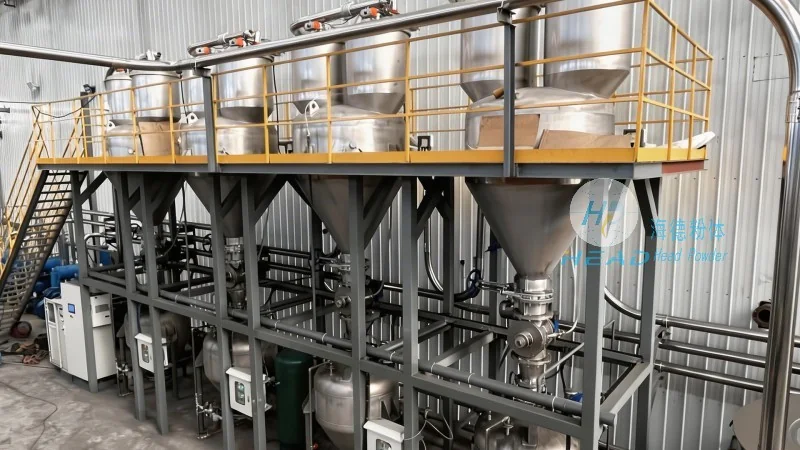
Installation and Maintenance Considerations
Proper installation and regular maintenance are essential for the long-term operation of the denitrization fly ash pneumatic conveying system. During installation, the pipeline layout must be carefully planned to minimize bends and changes in direction, as excessive pipe fittings can increase pressure drop and reduce conveying efficiency. The material feeder must be properly sized to match the feed rate of the fly ash, ensuring a consistent flow into the pipeline. Regular maintenance involves checking the air compressor for proper operation, inspecting the pipeline for leaks or blockages, and cleaning the system to remove accumulated ash. The company provides comprehensive maintenance services, including on-site inspections and spare parts supply, to ensure that the equipment operates at peak performance. By following the recommended maintenance schedule, users can extend the service life of the equipment and reduce downtime.