

Principle and Working Scene Characteristics of Cocoa Material Pneumatic Conveying Machines
HeadPowder, a prominent engineering company based in Shandong, China, specializes in the design and manufacturing of advanced pneumatic conveying systems for cocoa material handling. This article delves into the fundamental principles behind these systems and highlights the key working scene characteristics that make them essential in cocoa processing operations.
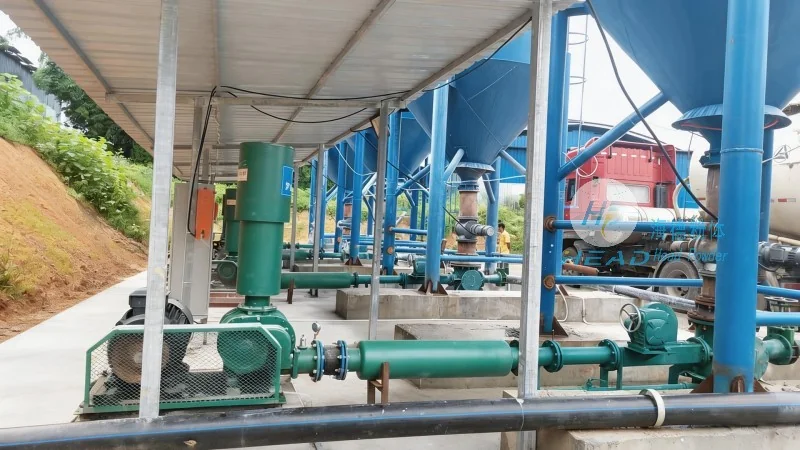
Principle of Pneumatic Conveying for Cocoa Materials
The core principle of a pneumatic conveying system involves transporting bulk materials like cocoa powder or cocoa beans through a pipeline using a gas stream, typically air. There are two primary types of pneumatic conveying: dilute-phase and dense-phase. In dilute-phase systems, the material is suspended in the air stream, allowing for high-velocity transport over long distances with minimal pressure drops. Dense-phase systems, on the other hand, use lower air velocities to push the material in a slug or plug flow, which is ideal for handling delicate or abrasive materials such as cocoa. The system typically consists of a material feed hopper, a conveying line, a separator, and a dust collector. The feed hopper ensures a consistent material supply, while the conveying line transports the material to the destination. The separator then separates the material from the air stream, and the dust collector removes any residual particles, ensuring a clean and efficient process.
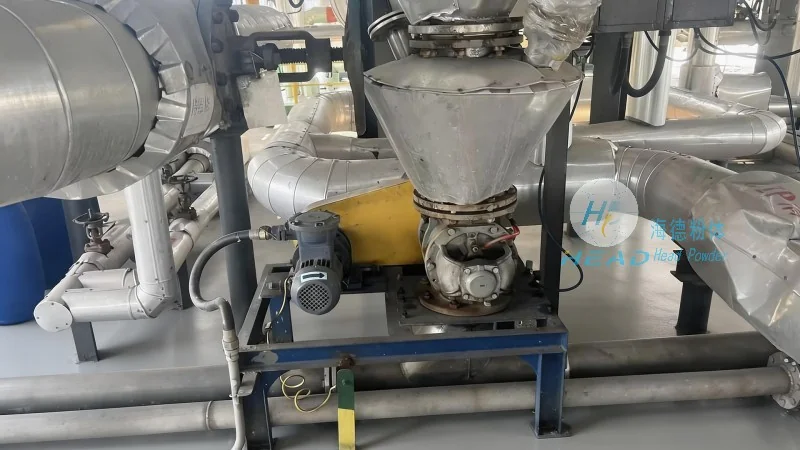
Working Scene Characteristics of Cocoa Pneumatic Conveying Machines
The working scene characteristics of cocoa pneumatic conveying machines are tailored to meet the specific demands of cocoa processing environments. These systems are commonly used in scenarios such as cocoa bean storage and handling, cocoa powder production lines, and quality control areas. In cocoa bean storage, the system efficiently transports beans from storage silos to processing units, minimizing manual handling and reducing the risk of contamination. During cocoa powder production, the pneumatic conveyor ensures a seamless transfer of fine cocoa powder from grinding mills to packaging areas, maintaining product integrity and preventing caking or agglomeration. In quality control settings, the system allows for precise sampling and transport of cocoa samples to testing laboratories, ensuring accurate analysis and compliance with industry standards. The flexibility of these systems also enables integration with other processing equipment, such as mixers and classifiers, creating a streamlined production line. Additionally, the design of the conveying lines and components is optimized to handle the varying moisture content and particle size of cocoa materials, ensuring consistent performance and longevity.
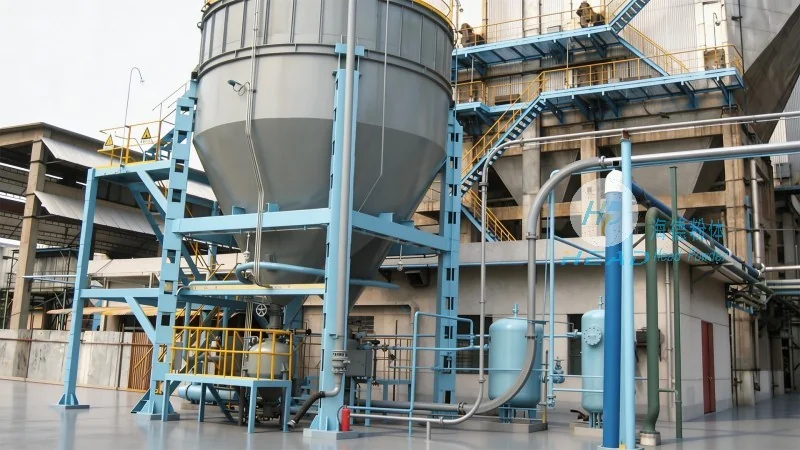
Key Features and Advantages in Cocoa Processing
HeadPowder's pneumatic conveying systems for cocoa materials offer several key features and advantages that enhance operational efficiency and product quality. One of the primary advantages is the ability to handle a wide range of material properties, including different moisture levels, particle sizes, and bulk densities. This versatility makes the system suitable for various stages of cocoa processing, from raw bean handling to final product packaging. The systems are also designed with hygiene and sanitation in mind, featuring smooth, easy-to-clean surfaces and components that prevent material buildup and contamination. This is particularly important in food processing environments where maintaining high standards of cleanliness is critical. Furthermore, the energy efficiency of these systems is optimized through advanced control technologies, reducing operational costs and environmental impact. The modular design of the equipment allows for easy installation and maintenance, minimizing downtime and ensuring continuous operation. These features collectively contribute to improved productivity, reduced labor costs, and enhanced product quality in cocoa processing operations.
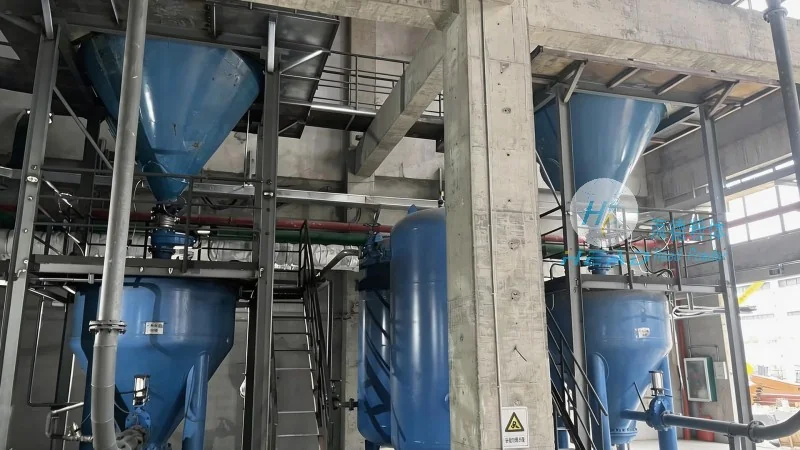
Application Examples in Real-World Cocoa Processing
Real-world applications of cocoa pneumatic conveying systems demonstrate their effectiveness in diverse processing scenarios. For instance, in a large-scale cocoa processing plant, the system efficiently transports cocoa beans from storage silos to roasting ovens, covering a distance of over 100 meters with minimal pressure loss. The dilute-phase system ensures that the beans are evenly distributed and transported without damage, preserving their quality for further processing. In another example, a cocoa powder production facility uses a dense-phase pneumatic conveyor to transfer fine cocoa powder from the grinding mill to the packaging line. The system maintains a consistent flow rate, preventing clogging and ensuring that the powder is delivered to the packaging machine without any residue. These examples illustrate how the systems adapt to different operational requirements, providing reliable and efficient material transport solutions. The adaptability of the systems also allows for customization based on specific plant layouts and production volumes, ensuring optimal performance in each application.