

Principle and Working Scene Characteristics of Vacuum Dilute Phase Material Pneumatic Conveying Equi
HeadPowder, a leading manufacturer based in Shandong, China, specializes in the design and production of advanced pneumatic conveying systems. This article delves into the fundamental principles and operational characteristics of vacuum dilute phase material pneumatic conveying machines, highlighting their applications and benefits in various industrial settings.
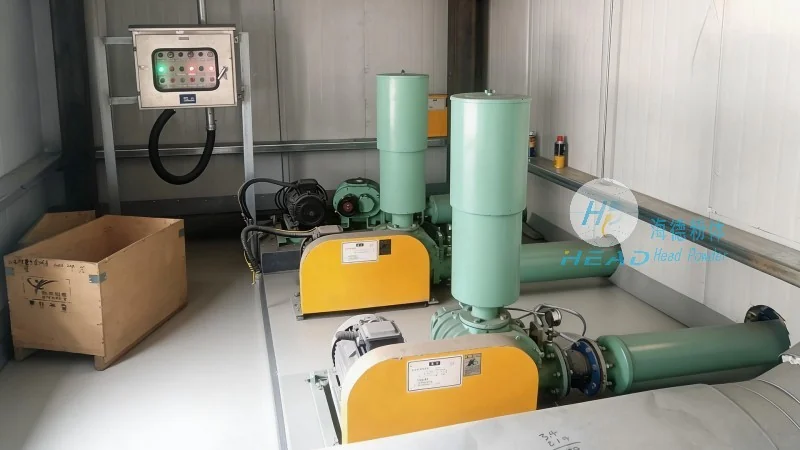
Understanding Vacuum Dilute Phase Pneumatic Conveying
At its core, vacuum dilute phase pneumatic conveying systems operate by creating a negative pressure environment within a pipeline. This is achieved through a vacuum pump or fan that draws air and material particles into the system. The material, typically in a dilute phase (where particles are suspended in air rather than forming a dense stream), is transported from the source to the destination. The process involves several key components, including the vacuum source, material feed hopper, conveying line, and discharge equipment. The vacuum pump maintains the necessary pressure differential to ensure continuous material flow, while the conveying line is designed to minimize pressure drop and optimize material transport efficiency.
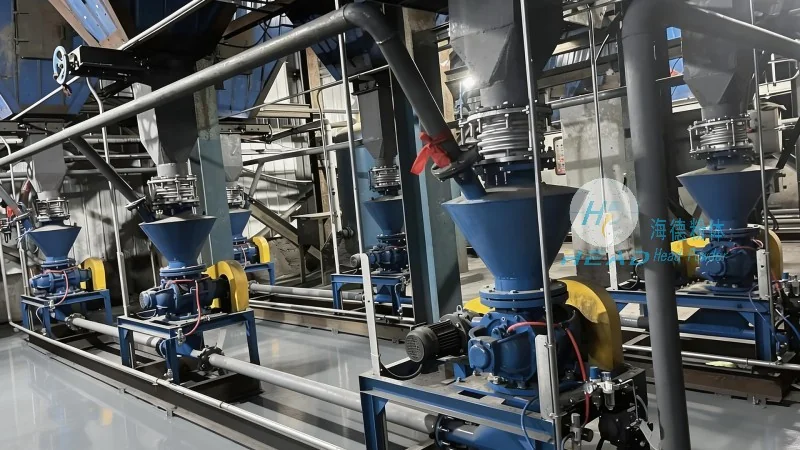
Key Working Principles
The principle of operation centers on the balance between air velocity and particle size. For effective transport, the air velocity within the pipeline must be sufficient to keep the material particles suspended. This is governed by the Stokes' law and the particle's terminal velocity, which depends on its size, density, and the air's properties. The vacuum system ensures that the pressure at the material source is lower than at the discharge end, creating a pressure gradient that drives the material flow. The system's design, including the diameter of the conveying line and the length of the pipeline, is critical to maintaining the required air velocity and preventing material deposition or blockages.
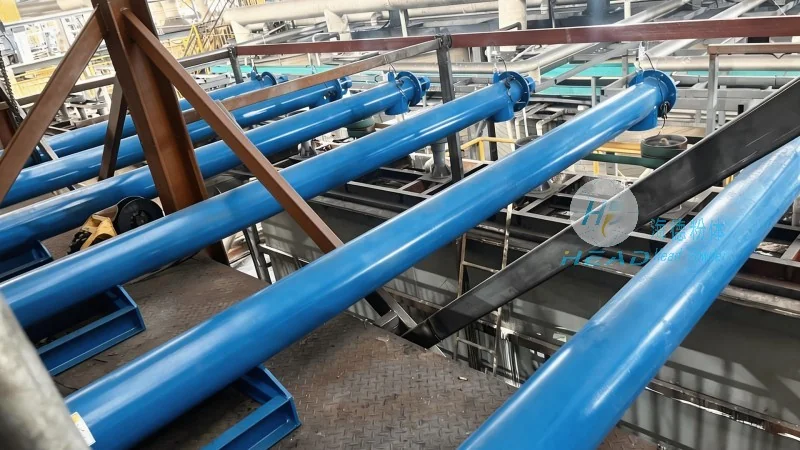
Working Scene Characteristics
Vacuum dilute phase pneumatic conveying machines are particularly suited for applications where material handling requires flexibility, cleanliness, and low maintenance. They are commonly used in industries such as food processing, pharmaceuticals, chemicals, and minerals, where the material may be sensitive to contamination or require precise control over particle distribution. The system's ability to handle a wide range of materials, from fine powders to granules, makes it versatile for various production lines. In addition, the enclosed pipeline design ensures that dust and particles are contained, reducing environmental impact and improving workplace safety. The working scene characteristics also include the system's adaptability to different distances and layouts, as the vacuum source can be placed at the discharge end, allowing for flexible pipeline routing.
Applications and Benefits
HeadPowder's vacuum dilute phase material pneumatic conveying systems offer numerous advantages in industrial applications. The primary benefit is the ability to transport materials over long distances with minimal loss and high efficiency. The system's low maintenance requirements and enclosed design reduce operational costs and downtime. Additionally, the system is suitable for handling materials that are difficult to transport by other methods, such as those with high moisture content or abrasive properties. The clean and dust-free operation of the system is particularly valuable in industries where product purity is paramount, such as in the food and pharmaceutical sectors. The flexibility of the system allows for easy integration into existing production lines, with minimal disruption to operations.
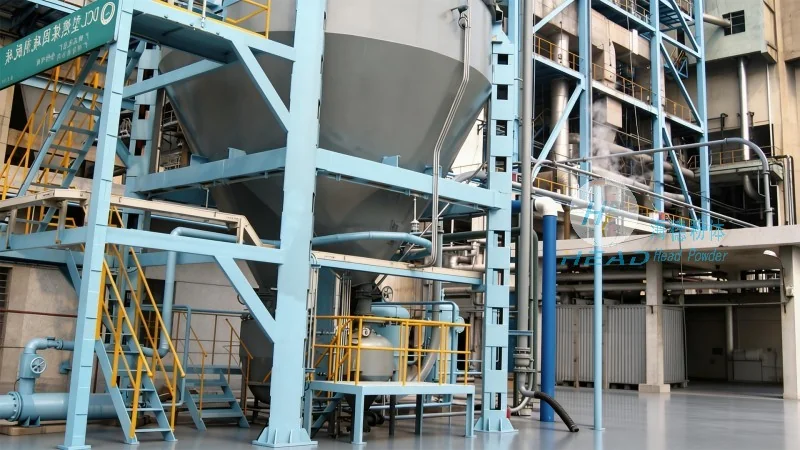
Conclusion
HeadPowder Engineering Co., Ltd., based in Shandong, China, provides high-quality vacuum dilute phase material pneumatic conveying machines that leverage advanced engineering principles to deliver reliable and efficient material transport solutions. By understanding the core working principles and operational characteristics of these systems, industries can optimize their material handling processes, enhance productivity, and ensure compliance with safety and environmental standards. The versatility and adaptability of vacuum dilute phase pneumatic conveying make it an essential technology for modern industrial applications.